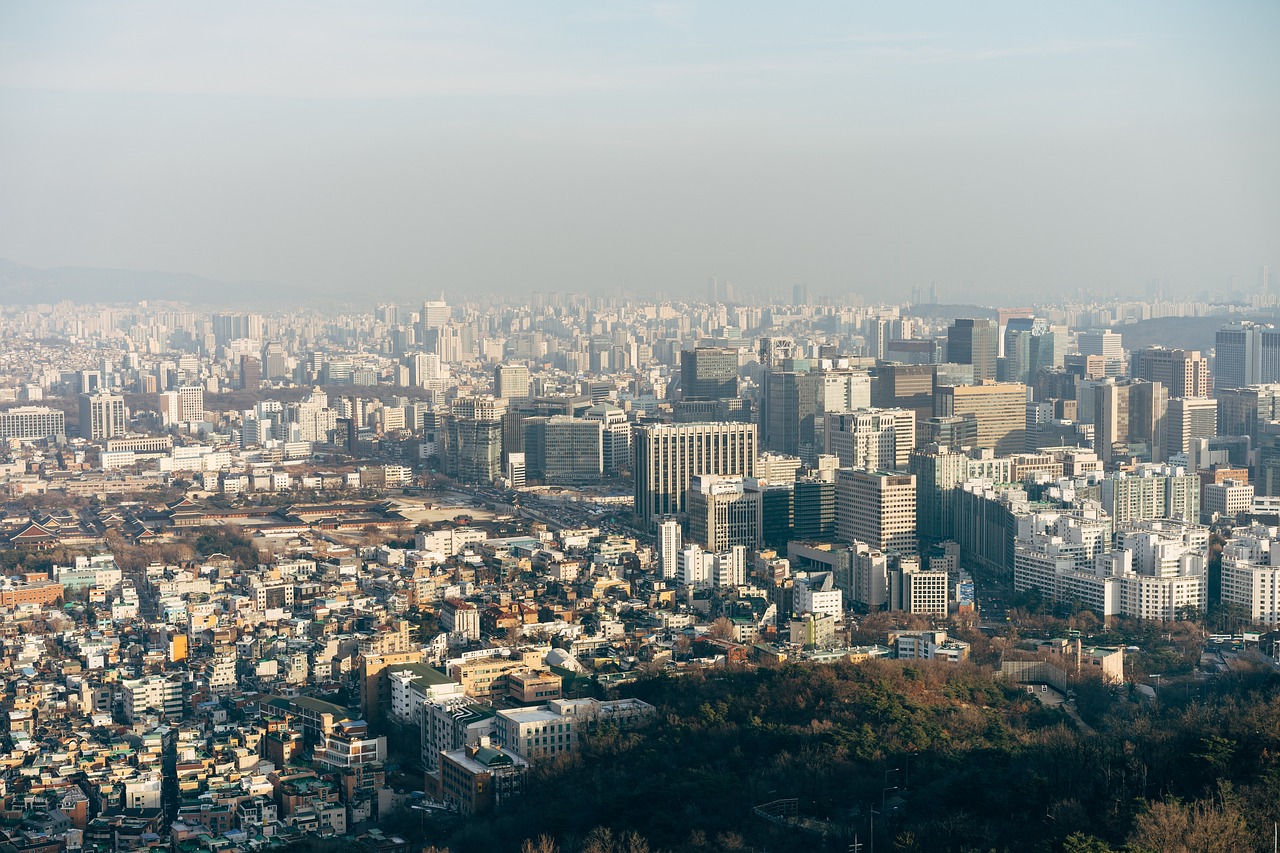

South Korean President Lee Jae Myung is trying to draw a line that governments in expensive housing markets often struggle to maintain. The state can restrain speculation, excessive borrowing and artificial demand, he says, but it cannot simply decide what homes should cost.
Lee said the goal of South Korea’s housing policy should be to restore normal market conditions rather than push prices toward a level chosen by the government. His remarks came as housing remains one of the country’s most politically sensitive economic issues, shaped by years of rising prices, heavy borrowing and repeated attempts by successive administrations to control the market.
The distinction matters because South Korea’s housing problem is not limited to affordability. Property is closely tied to household wealth, debt and consumer confidence, making every major policy change a potential economic shock. Measures that suppress demand can weaken transactions and burden buyers, while policies that appear too tolerant of rising prices can deepen frustration among younger households unable to enter the market.
Lee said prices should generally be determined by legitimate supply and demand. Homes with scarce locations or exceptional views, including apartments overlooking Seoul’s Han River, will naturally command higher prices, he said. Large price differences between nearby neighborhoods are not necessarily evidence of market failure when they reflect location, scarcity and consumer preference.
What the government should prevent, Lee argued, is a market in which buyers take on excessive debt because they believe housing prices can only rise. Such demand is not the same as ordinary demand for a place to live. When leverage and speculation become the main forces pushing prices higher, he said, the government has a responsibility to intervene.
That position does not amount to a retreat from regulation. It is an attempt to redefine its purpose. Rather than treating every increase in home prices as something the government must reverse, Lee is arguing that policy should focus on whether those prices were produced by normal market forces or by distorted incentives.
The approach reflects the limits facing policymakers in South Korea and other advanced economies where housing has become both a necessity and a financial asset. Governments are under pressure to make homes more affordable, but attempts to force prices lower can damage existing homeowners, restrict credit and create new market imbalances.
Lee’s challenge will be turning that distinction into policy. Lending restrictions, taxes and measures against speculative purchases can affect ordinary buyers as well as investors. A policy designed to reduce abnormal demand can also make it harder for first-time buyers to secure financing.
For now, Lee is signaling that his administration will not define success by a specific housing price. It will instead judge the market by whether homes are being bought with sustainable financing and whether prices reflect genuine demand rather than a rush fueled by debt and expectations of endless gains.