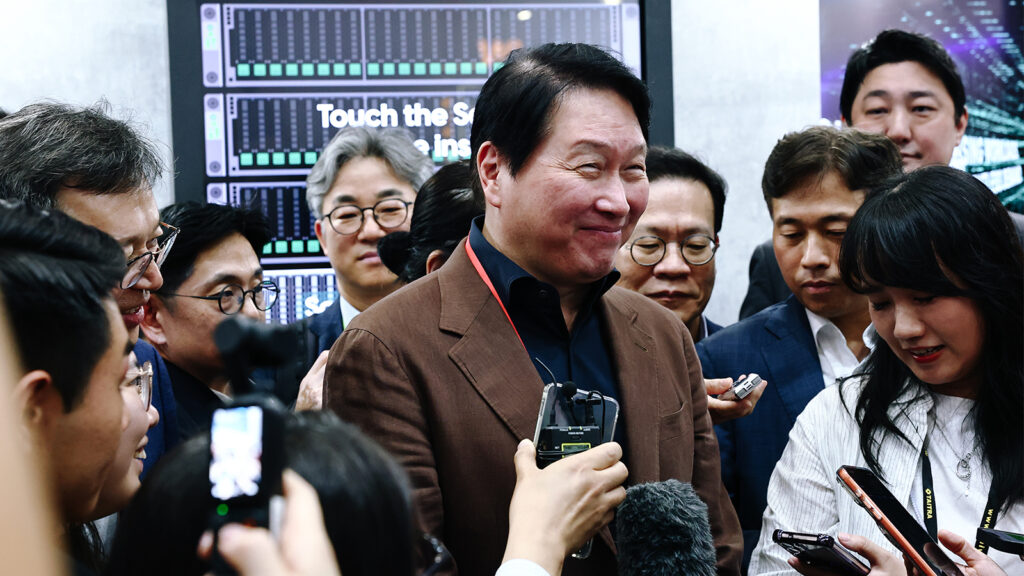
Chey Tae-won has spent much of the past decade fighting a legal battle over his personal fortune while building one of the most important businesses in the global artificial intelligence industry. Now, the chairman of South Korea’s SK Group is prepared to pay $731 million to bring that dispute to an end as the competition over the future of AI enters a critical stage.
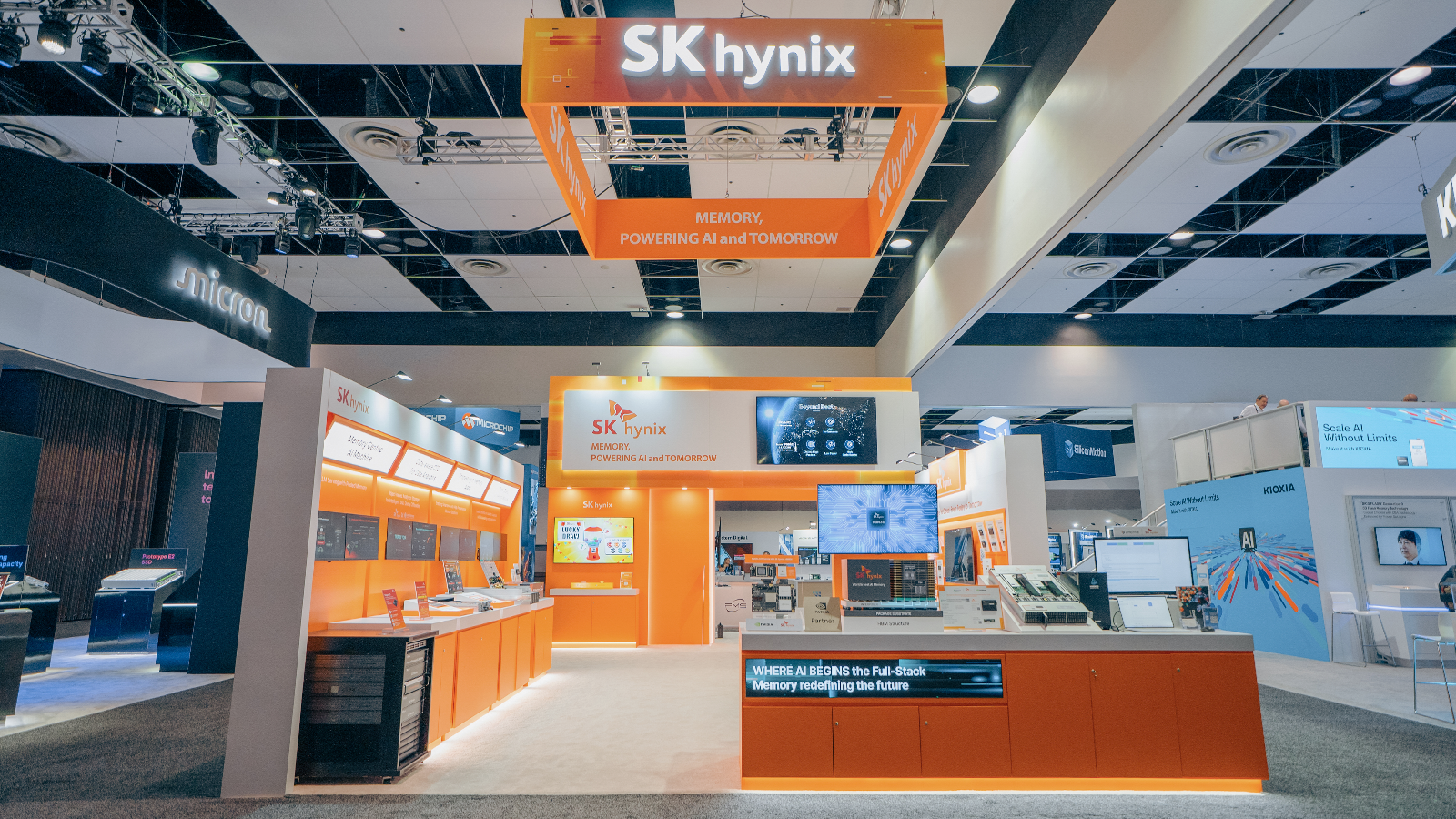
Chey oversees a conglomerate with major businesses in semiconductors, energy and telecommunications. Its semiconductor subsidiary, SK hynix, is a leading supplier of high bandwidth memory, an essential component of Nvidia’s AI processors. In June, the two companies announced a multiyear technology partnership to develop advanced memory products and secure supplies needed to support the expansion of AI infrastructure.
The relationship places Chey at the center of an industry in which American technology companies are committing enormous amounts of capital to building AI infrastructure. His challenge is to maintain SK’s competitive advantage while preparing the business to withstand a potential slowdown in semiconductor demand.
Recent turmoil on Wall Street has underscored the urgency of that challenge. Uncertainty surrounding the leadership of Nvidia CEO Jensen Huang triggered a sharp selloff in semiconductor stocks despite the successful initial public offering of Anthropic, the American artificial intelligence company. The fallout extended to South Korea, where temporary restrictions on program sell orders were triggered on the benchmark Kospi index on two consecutive trading days.
Huang’s reinstatement on Monday sparked a dramatic recovery in U.S. technology stocks, with the Nasdaq Composite closing 6.5% higher. SK hynix’s shares traded in the United States surged 20%, illustrating how closely the Korean chipmaker’s fortunes are tied to developments in the American AI industry.
Chey faces a broader set of challenges beyond the immediate market volatility. Investors continue to question whether current levels of AI spending are sustainable and whether the semiconductor industry is approaching a cyclical peak. Competition between the United States and China over semiconductor technology, international trade disputes and the continuing war in the Middle East have added further uncertainty.
Although SK Group has achieved record earnings this year, Chey must determine how to turn the proceeds of the current semiconductor boom into new sources of growth before market conditions change. The need to make those decisions has made his prolonged personal litigation an increasingly unwelcome burden.
On Tuesday, Chey’s legal representatives submitted a request to South Korea’s Supreme Court seeking a court recommended settlement in his asset division dispute with Roh Soh-yeong, director of Art Center Nabi, a South Korean digital art institution.
His representatives explained that Chey intends to pay the entire $731 million award and devote his attention to managing SK Group amid intensifying competition in artificial intelligence.
Chey had previously narrowed the scope of his appeal following a retrial, leaving $181 million of the asset division award in dispute. By agreeing to pay the full amount, he is now seeking to resolve the remaining financial disagreement rather than continue litigation that began when he filed for divorce mediation in 2017.
The dispute has already required Chey to sell part of his holdings in the conglomerate. Last month, he sold more than 1.65 million shares of SK Inc., the holding company at the center of SK Group’s ownership structure. The sale represented a 2.3% stake in the company and was intended to raise money to cover the asset division payment.
Financial considerations may also have influenced the timing of his decision. Some observers in South Korea’s business community believe Chey’s renewed appeal was partly intended to give him additional time to raise cash while postponing a potential daily interest burden of $96,800.
Having raised funds through the share sale, Chey may have concluded that the financial benefits of continuing the dispute no longer justified prolonging the litigation.
A court recommended settlement would acquire the same legal force as a final judgment if neither party objects within two weeks of receiving the decision. Roh’s acceptance would bring nearly nine years of litigation to a close.
Chey is seeking to resolve his personal financial affairs at a time when the decisions he makes about semiconductor investment, technology development and business expansion could shape SK Group’s position in the global AI industry long after the current chip boom ends.