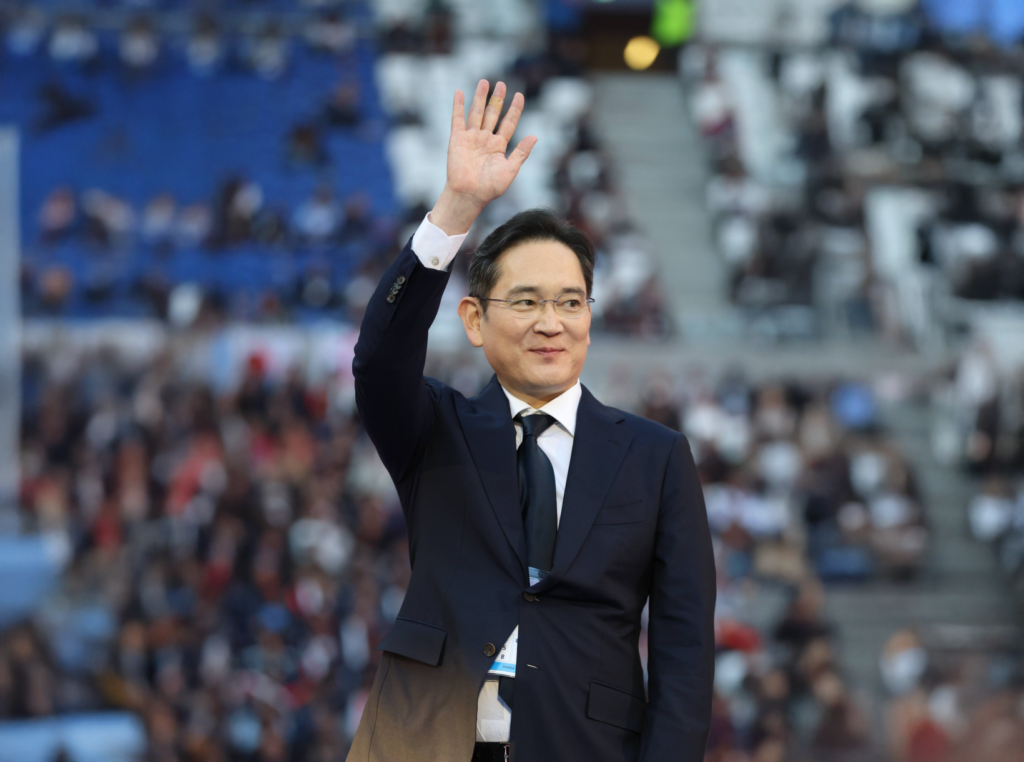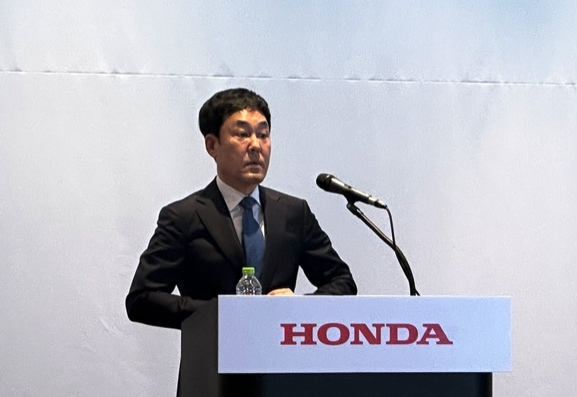

South Korean President Lee Jae-myung on June 29 hailed Samsung Electronics Executive Chairman Jay Y. Leeand SK Group Chairman Chey Tae-won after they unveiled multibillion-dollar investment plans in semiconductors, artificial intelligence and data centers, pledging full government support to accelerate the projects and calling the executives “national heroes.”
Speaking at the government’s “Three Mega Projects for Korea’s Next Leap” event, Lee said the investment commitments marked a defining moment for the country’s future, arguing they demonstrated that private companies could pursue both profits and the national interest.
“I can say a new chapter in South Korea’s history is beginning,” Lee said. “Companies seek profits, but today they have also proven they can act for the future of the nation. I would like to call these two leaders national heroes.
Lee bowed deeply to both executives after thanking them on behalf of the Korean people for what he described as a difficult but consequential decision. Jay Y. Lee responded with a handshake, saying, “We’ll do our best.”
Presidential Chief of Staff Kang Hoon-sik later said the president had been genuinely moved by the announcements and had even considered making a full ceremonial bow before aides advised against the gesture.
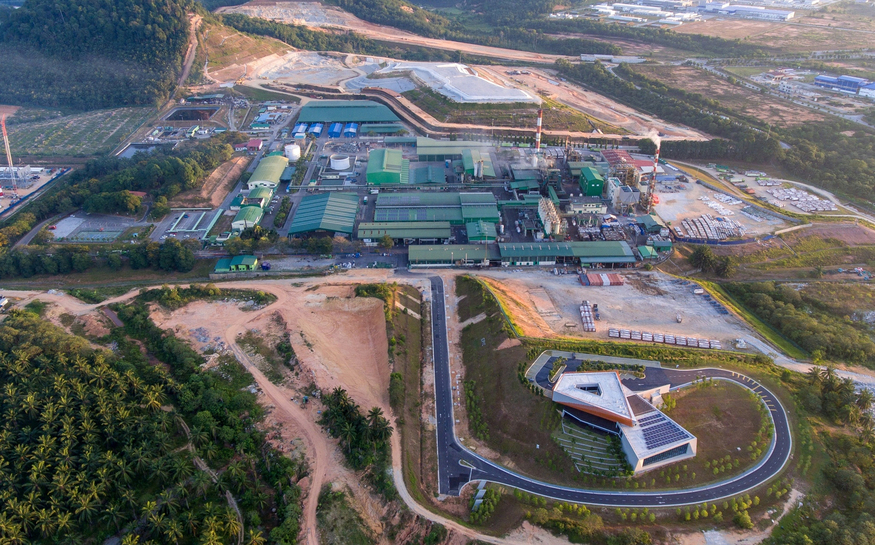
The investment plans center on expanding South Korea’s semiconductor manufacturing capacity, artificial intelligence infrastructure and hyperscale data centers as Seoul seeks to strengthen its position in advanced technologies amid intensifying global competition.
Following the presentations, Lee pledged to personally oversee fast-track regulatory approvals through a one-stop administrative process designed to accelerate construction and investment.
He also promised government support for critical infrastructure, including electricity and water supplies, saying projects outside the Seoul metropolitan area would receive priority assistance under the country’s Semiconductor Special Act.
Lee said companies investing in the country’s southwestern region, including Gwangju and South Jeolla Province, would receive additional incentives through electricity pricing policies based on locally generated and locally consumed power, helping reduce operating costs for new manufacturing facilities.
The president also pledged increased public investment in housing, healthcare and cultural infrastructure to attract skilled workers to emerging industrial clusters.
During the discussion, business leaders pointed out that Samsung Electronics’ semiconductor complex in Yonginqualifies as a national industrial complex, while the nearby SK Hynix cluster is classified as a general industrial complex, limiting its eligibility for certain government incentives
Lee acknowledged the discrepancy, saying companies could reasonably view the different treatment as unfair despite operating in the same region.
“In principle, the government intends to provide full support—100% support—for creating new semiconductor hubs,” he said.
Lee closed the event by emphasizing that long-term economic growth depends on close cooperation between government and industry.
“The country must succeed for businesses to succeed, and businesses must succeed for workers to succeed,” he said. “Together, we must build an irreplaceable Republic of Korea.”