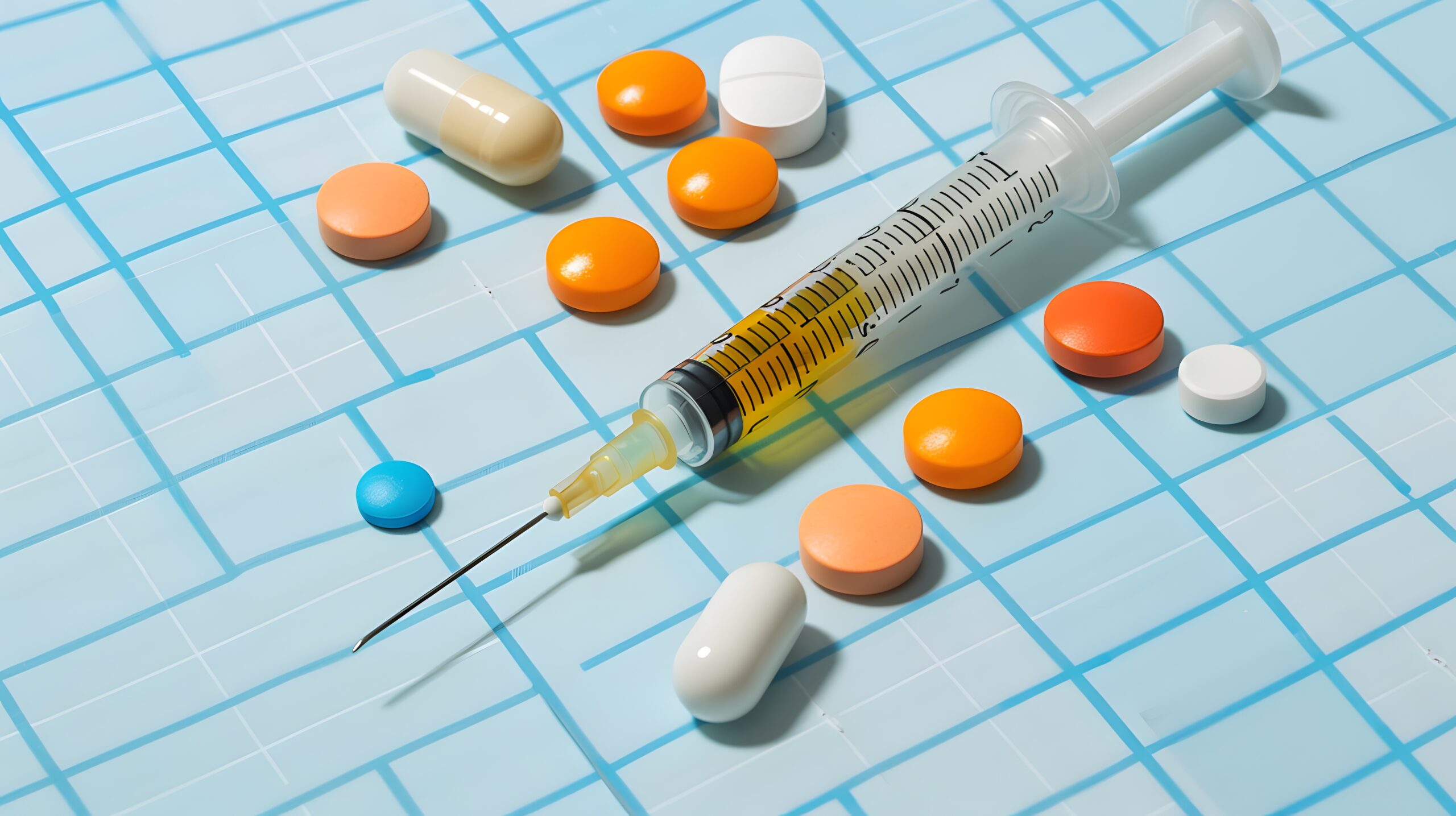
A South Korean pharmaceutical company is attempting something that some of the world’s largest drugmakers have spent decades pursuing without success: turning insulin into a pill.
Samchundang Pharm, a South Korean drug developer, has begun a global clinical trial of its oral insulin candidate SCD0503, marking one of the latest efforts to solve a problem long considered one of the pharmaceutical industry’s most difficult scientific challenges. If successful, the therapy could offer millions of diabetes patients an alternative to daily injections and potentially reshape a global market worth tens of billions of dollars annually.
The company recently administered the first dose to a patient in a Phase 1 trial after receiving regulatory clearance from the European Medicines Agency. The study is being conducted at Germany-based Profil, a diabetes research center that has previously run clinical trials for some of the industry’s biggest names, including Novo Nordisk, Eli Lilly and Sanofi.
The significance of the trial extends beyond a single experimental drug. Despite years of research and billions of dollars in investment, no pharmaceutical company has successfully commercialized an oral insulin treatment. The challenge stems from insulin’s biological nature. As a protein, it is easily broken down by stomach acid before it can enter the bloodstream, making effective oral delivery extraordinarily difficult.
That hurdle has not stopped major pharmaceutical companies from trying. The promise of an insulin pill has remained one of medicine’s most sought-after goals because of its potential to eliminate injections, improve patient compliance and simplify long-term diabetes management.
Samchundang believes it may have found a solution through a proprietary drug-delivery platform known as S-PASS. The technology uses nano-emulsification and molecular complex formation techniques designed to protect insulin as it passes through the digestive system and help it reach the bloodstream through the intestinal wall.
The current study will compare SCD0503 directly against conventional injectable insulin in patients with Type 1 diabetes. Researchers will evaluate how the drug is absorbed and processed by the body while also monitoring safety indicators, including hypoglycemia and cardiovascular effects. Unlike many early-stage studies focused primarily on safety, the trial is structured to test whether the oral formulation can demonstrate performance comparable to existing injection-based therapies.
Samchundang plans to complete the trial by the end of the year. If the results are positive, the company intends to expand development into Type 2 diabetes, which accounts for more than 90% of diabetes cases worldwide.
The effort reflects a broader shift underway in South Korea’s pharmaceutical industry. Long known for producing generic medicines and manufacturing drugs for global partners, Korean biotech firms are increasingly pursuing high-risk, high-reward innovations aimed at competing directly with multinational pharmaceutical giants.
Whether Samchundang succeeds remains uncertain. Many companies with greater resources have attempted and failed to bring oral insulin to market. Yet by advancing into human trials, the South Korean company has placed itself in one of the industry’s most closely watched races, one that could ultimately redefine how diabetes is treated around the world.