As Korean food has attracted a wider audience around the world, grilled pork belly has emerged as one of its most recognizable dishes. In South Korea, however, prosecutors say the companies supplying that signature cut to one of the country’s largest supermarket chains spent more than six years coordinating prices instead of competing for business.
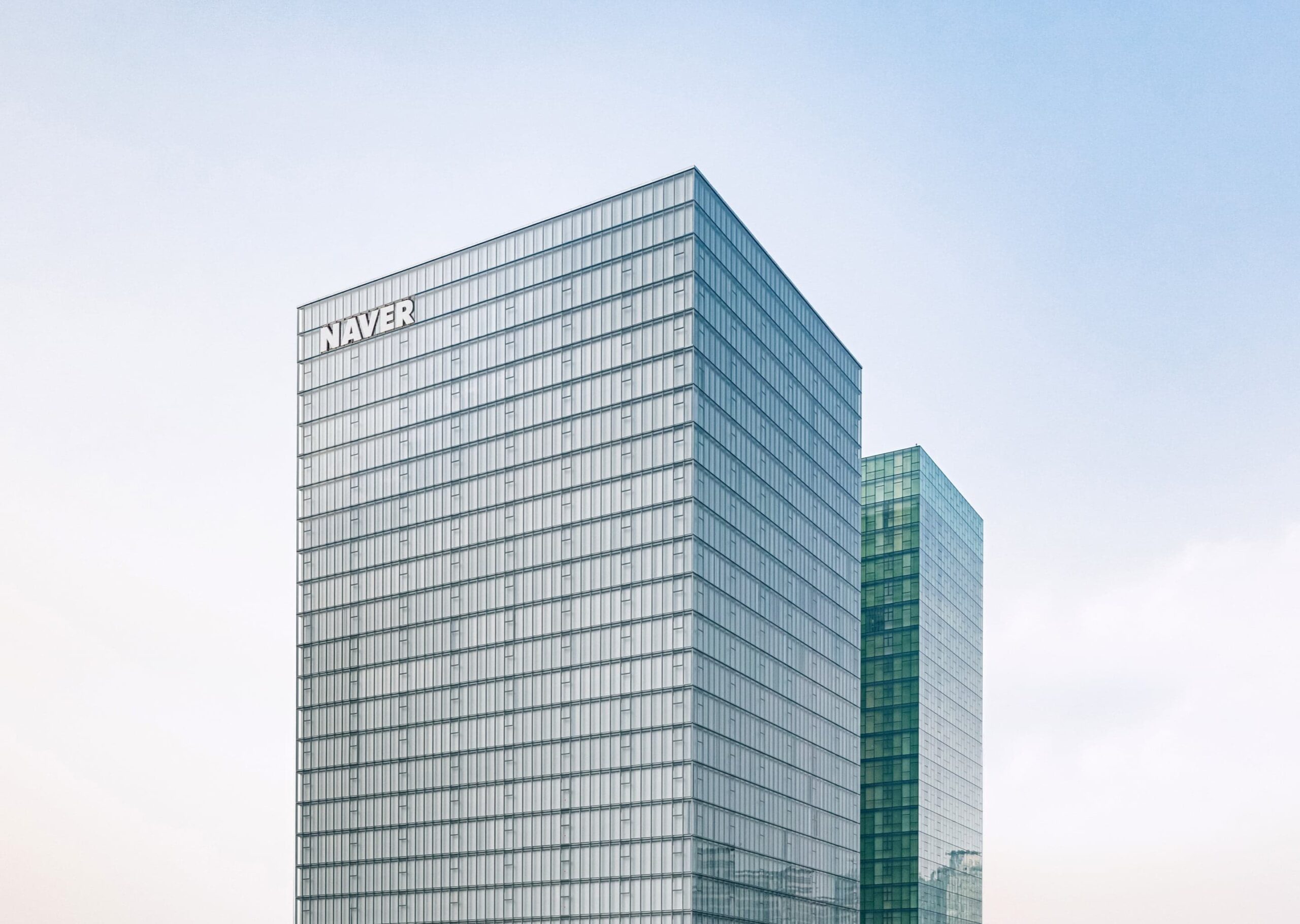
South Korean prosecutors have indicted six pork processing and distribution companies and 12 executives and employees over an alleged price fixing scheme involving pork supplied to Emart, a major South Korean retailer with a nationwide network of supermarkets. The companies are accused of exchanging price quotations, coordinating changes in their bids and using private messaging channels to prevent supply prices from falling below agreed levels.
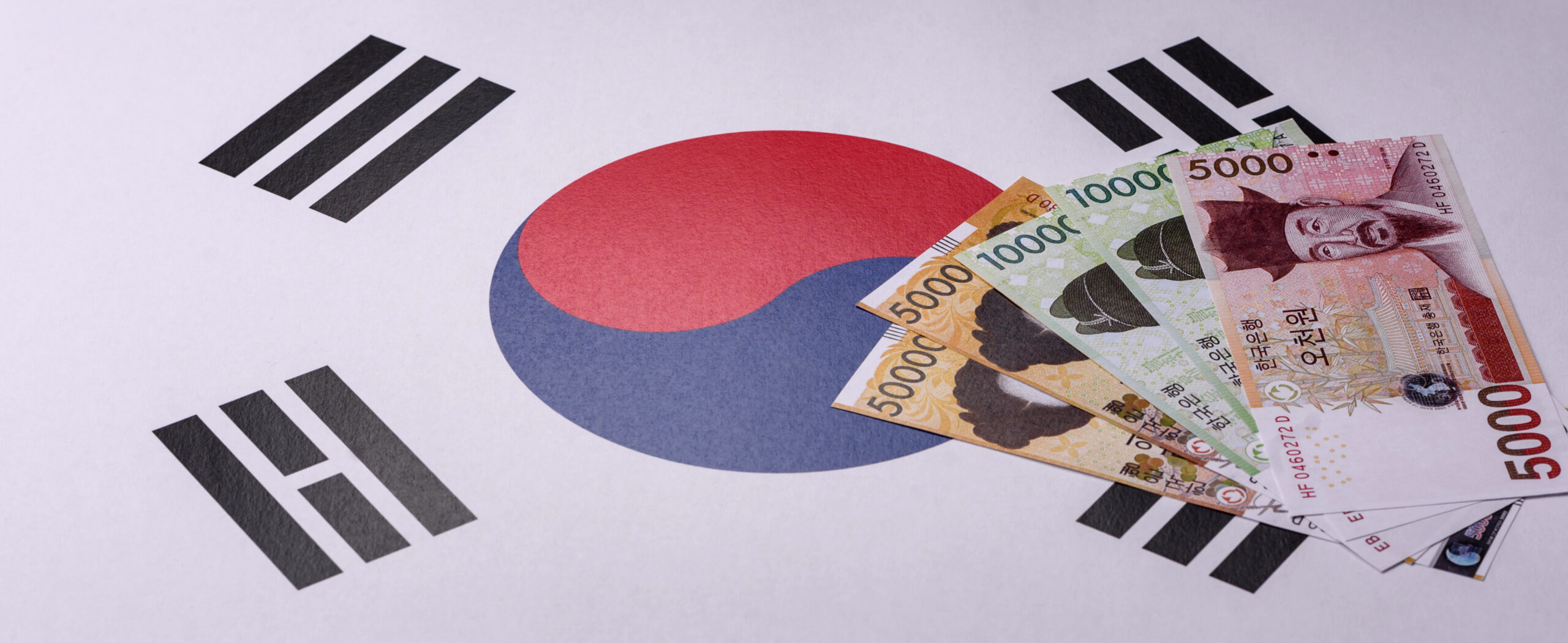
Prosecutors placed the value of the affected transactions at about $840 million. That amount represents all pork purchased by Emart from nine suppliers believed to have participated in the arrangement, rather than the companies’ alleged illicit profit. Prosecutors said the coordination contributed to increases of at least 20 percent in the prices at which Emart sold pork to consumers.
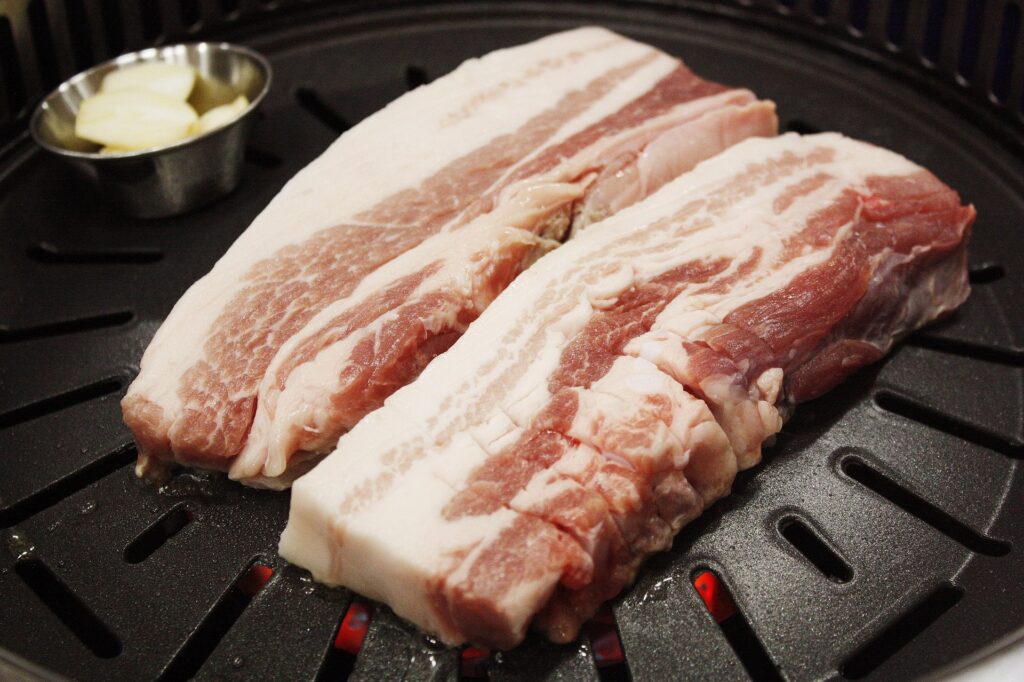
The case centers on samgyeopsal, the thick slices of pork belly commonly grilled at the table in Korean restaurants, as well as pork neck and other popular cuts. Samgyeopsal occupies a distinctive place in South Korean dining culture, appearing at family meals, workplace gatherings and neighborhood restaurants. Its growing recognition outside Korea has made it one of the foods most closely associated with Korean barbecue.
The alleged conduct took place in the country where that dining tradition originated.
According to the Seoul Eastern District Prosecutors’ Office, the suppliers exchanged prices submitted to Emart from August 2017 through November 2023. The companies allegedly shared quotations each week and discussed how much prices should rise or fall during promotional events and inventory clearances.
The arrangement is alleged to have undermined a purchasing system designed to force suppliers to compete. Emart collected confidential quotations without disclosing one company’s bid to another. Prosecutors said supplier employees circumvented that process by sharing their planned prices before submitting them.
Some companies allegedly coordinated minimum bidding levels and deliberately entered prices that differed by small amounts. The minor variations were intended to make the bids appear independent while keeping overall prices within a range acceptable to the participating suppliers, according to investigators.
The coordination became more organized in November 2021, when employees created a private Telegram group chat to discuss prices collectively, prosecutors said. Participants allegedly continued communicating even after learning that penalties for fair trade violations were becoming more severe. Messages recovered during the investigation included warnings to pay closer attention to security.
The companies also maintained the network when employees changed jobs or responsibilities. Departing staff members allegedly introduced their replacements to contacts at competing suppliers, allowing the exchange of pricing information to continue.
Dodram Food, a major South Korean pork processor and distributor, was among the companies indicted. Prosecutors did not detain the accused executives and employees while filing the charges.
The investigation began with South Korea’s Fair Trade Commission, the government agency responsible for enforcing competition law. The commission concluded that suppliers had coordinated prices during Emart’s purchasing process for regular and branded pork products. In March, it imposed combined fines of about $2 million and referred six companies to prosecutors.
It was the commission’s first enforcement action involving alleged collusion over pork delivery prices.
Prosecutors widened the inquiry after searching nine pork suppliers on April 23 and seizing documents and computer records. The searches included three companies that had not been named in the commission’s original referral but were suspected of participating in the price exchanges.
The criminal investigation also extended the alleged timeline. The commission had focused largely on agreements made in 2021 and 2022, while prosecutors said they found evidence that weekly exchanges had begun in 2017.
Investigators also uncovered allegations of evidence destruction after the Fair Trade Commission conducted on site inspections in November 2023. Employees at some suppliers allegedly deleted messenger conversations and internal files containing competitors’ prices.
At one company, a legal department employee allegedly instructed a sales manager to delete records of communications with competitors and remove internal data showing rival suppliers’ prices.
The case could extend beyond the shelves of a single retailer. Prosecutors said prices at South Korea’s large supermarket chains often influence prices charged by smaller stores, meaning coordinated supply prices may have affected the broader pork market.
For overseas diners, samgyeopsal is increasingly part of the image of Korean cuisine presented through restaurants and popular culture. In its home market, the case has exposed allegations that the price of the familiar dish was shaped for years by private coordination among suppliers, secret conversations and efforts to erase the record once regulators arrived.
Prosecutors said they would continue investigating individuals accused of leading the arrangement or obstructing the regulatory inquiry.