
South Korea’s new government is signaling that property-related tax evasion will become a major enforcement target, as President Lee Jae-myung moves to address long-standing public frustration over real-estate speculation and wealth inequality.
In a social-media post on June 1, Lee vowed to intensify investigations into tax evasion linked to real-estate transactions, declaring that South Korea could no longer remain what he described as a “republic of unearned property gains.”
The comments underscore a broader policy shift toward stricter oversight of property ownership and transactions at a time when housing affordability remains one of the country’s most politically sensitive economic issues.
The announcement came as new data highlighted the scale of suspected tax-evasion activity in South Korea’s most expensive housing markets.
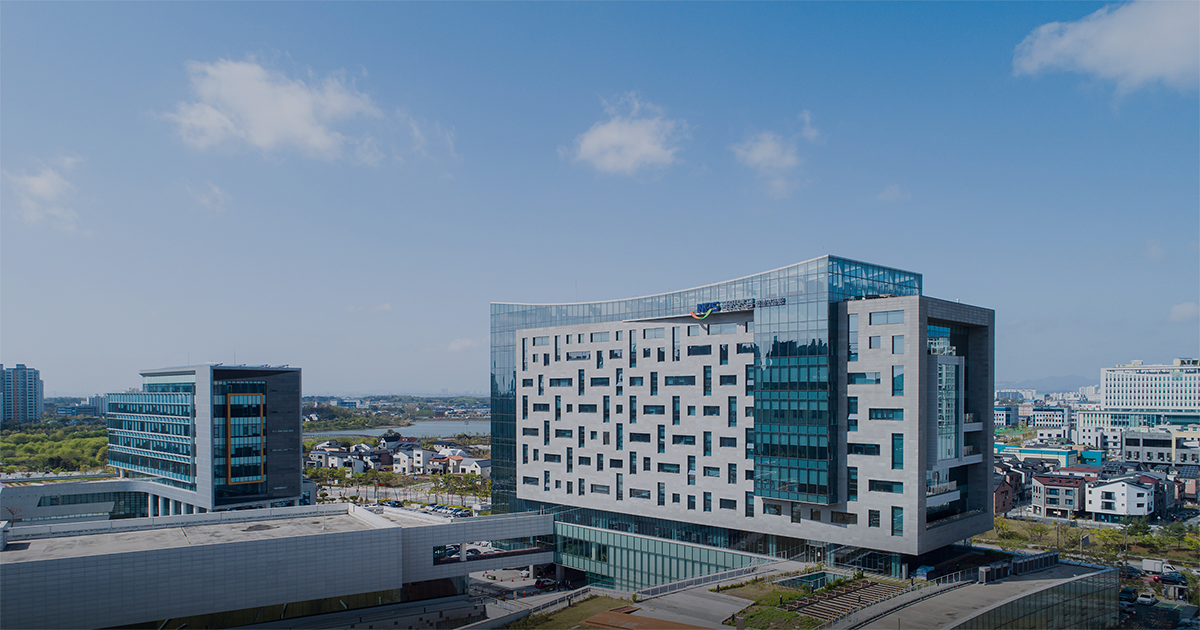
According to reports citing the National Tax Service’s real-estate tax-evasion reporting center, roughly 80% of whistleblower reports submitted since the system’s launch originated from the greater Seoul metropolitan area, including Seoul, Gyeonggi Province and Incheon.
The reporting center was established in late 2025 to identify hidden transactions and other forms of tax avoidance tied to the property market. Authorities are investigating a range of suspected violations, including disguised asset transfers, ownership through borrowed names and fraudulent real-estate contracts.
The government has also expanded incentives for whistleblowers, offering financial rewards when reports lead to confirmed tax-evasion cases.
The concentration of reports in the Seoul metropolitan area reflects the region’s outsized influence on South Korea’s housing market. Property values in Seoul and surrounding cities have risen dramatically over the past decade, generating substantial wealth gains for homeowners while fueling concerns about speculative investment and widening inequality.
For policymakers, housing has become more than a real-estate issue. It has evolved into one of the most visible symbols of economic disparity between asset owners and younger generations struggling to enter the property market.
Successive governments have attempted to curb speculation through taxes, lending restrictions and regulatory reforms, with mixed results. Lee’s administration appears poised to place greater emphasis on enforcement, particularly against individuals using complex ownership structures or concealed transactions to avoid taxes.
Officials argue that improving transparency in property ownership is essential to restoring public confidence in the housing market and ensuring a fairer distribution of tax burdens.
The latest reporting figures suggest that authorities are likely to focus much of their enforcement effort on Seoul and its surrounding regions, where both property values and opportunities for tax avoidance are greatest.
For Lee, the campaign is not simply about collecting more tax revenue. It is also a test of whether his administration can address one of South Korea’s most persistent sources of economic and social discontent: the perception that property wealth has become a faster path to prosperity than work or investment in the broader economy.