Hugel, a South Korean manufacturer of cosmetic injectables, is expanding its international presence as it seeks to compete in the lucrative medical aesthetics market. The company marked its 25th anniversary by hosting its largest medical symposium to date, bringing together about 400 medical professionals from around the world.
The expansion comes as Hugel pursues growth in the United States, the world’s largest medical aesthetics market. Its botulinum toxin product, Letybo, received approval from the U.S. Food and Drug Administration in February 2024 and entered the American market in March 2025, offering an alternative to established products such as Botox.
Breaking into the market involves more than securing regulatory approval. Building relationships with medical professionals and familiarizing them with new products and treatment techniques are also central to Hugel’s expansion strategy. The company said in July that more than 9,000 medical practices in the United States had incorporated Letybo into their treatment offerings.
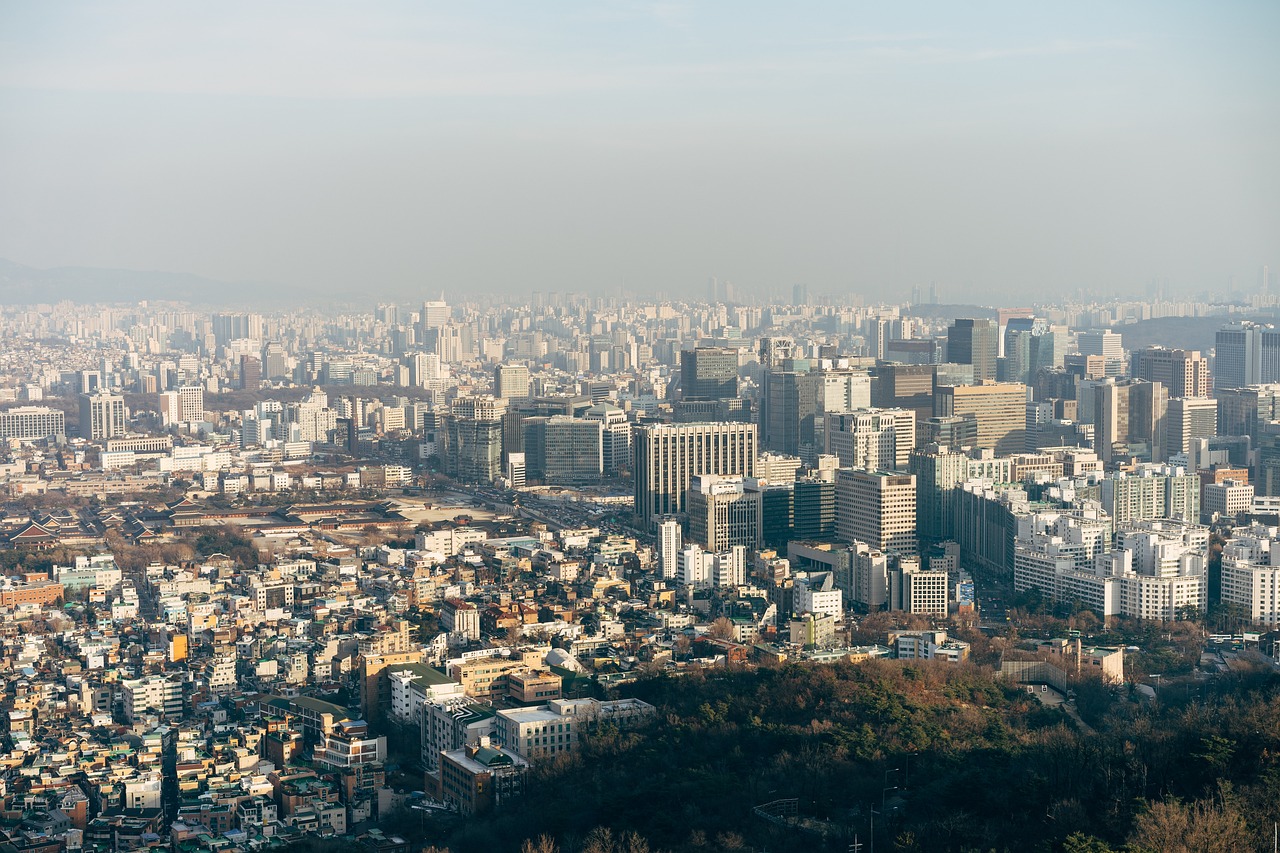
Hugel’s international symposium, held in Seoul from November 21 to 23, reflected that approach. The company brought together medical professionals to exchange clinical expertise, examine changing beauty standards and explore treatment techniques tailored to different patient populations.
Among the topics was a growing concern associated with popular weight loss medications. Medical specialists discussed the use of hyaluronic acid fillers to address “Ozempic face,” a term describing facial volume loss and sagging skin following rapid weight loss.
Other presentations examined how botulinum toxin treatments can be adapted to differences between Eastern and Western patients, as well as between men and women. Specialists also explored procedures combining botulinum toxin, dermal fillers and skin rejuvenation treatments.
About 200 international medical professionals visited 11 clinics across South Korea, observing cosmetic procedures and learning how Korean practitioners incorporate different products into their treatments.
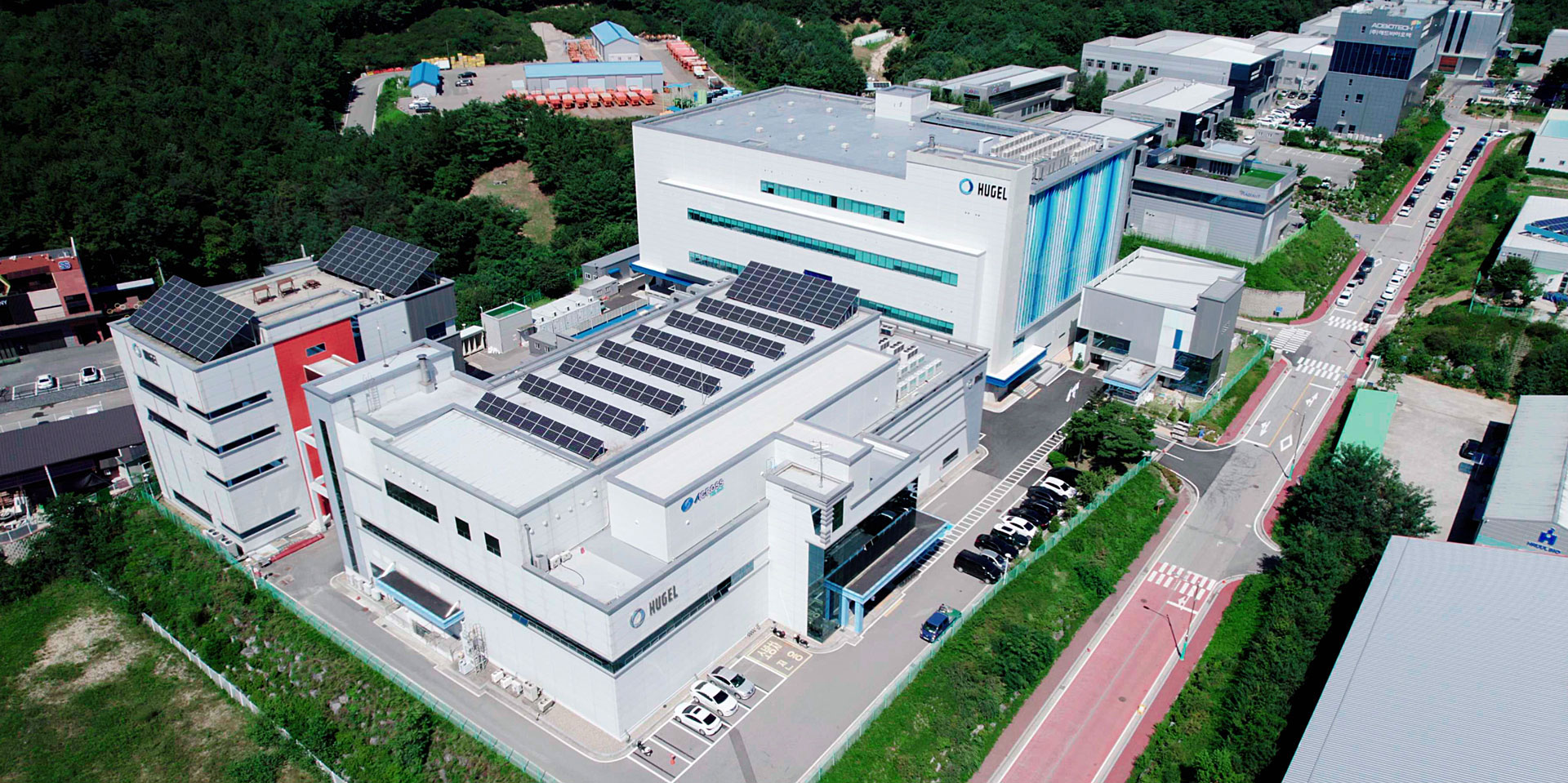
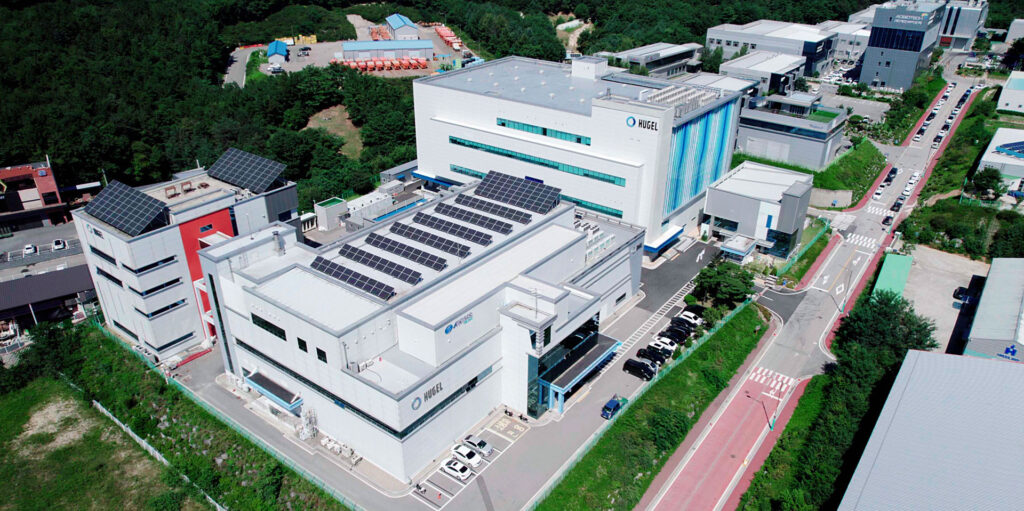
Hugel also opened its manufacturing facilities in Chuncheon, South Korea, to overseas medical professionals, allowing participants to examine the production processes and quality control systems behind its injectable products.
Founded in 2001, Hugel has established a presence in approximately 70 countries and operates 11 overseas subsidiaries, including those in the United States, Canada and Australia.
As Hugel enters its next phase of international expansion, the company plans to deepen its relationships with medical professionals worldwide through clinical education, research and academic exchange.