Seven decades ago, South Korea was one of the poorest countries in the world. Emerging from 35 years of Japanese colonial rule and devastated by the Korean War, the nation had little industrial infrastructure and depended heavily on foreign aid. Its exports consisted largely of basic goods, including dried seafood, rice and wigs.
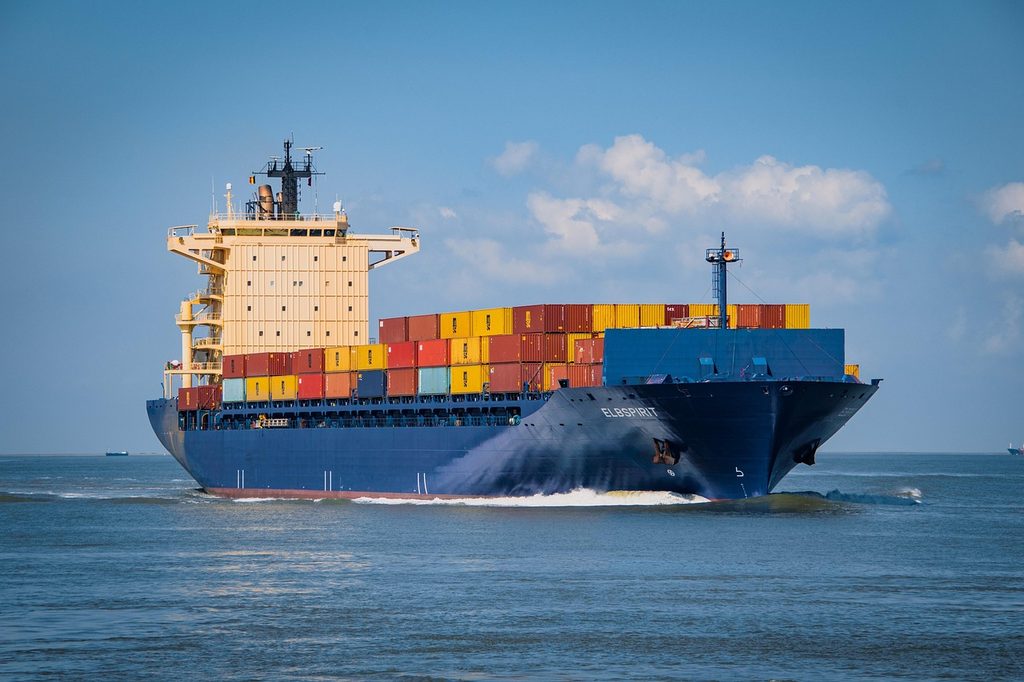
Today, that same country has become only the fourth nation in history to surpass $1 trillion in annual exports, joining the United States, China and Germany.
The transformation is particularly striking given South Korea’s history with the United States. American troops fought to defend the country during the 1950 to 1953 Korean War, and Washington subsequently provided substantial economic assistance to help rebuild its economy. More than seven decades later, South Korea has become a major supplier of the advanced semiconductors powering the global artificial intelligence boom, including the expanding data center infrastructure of American technology companies.
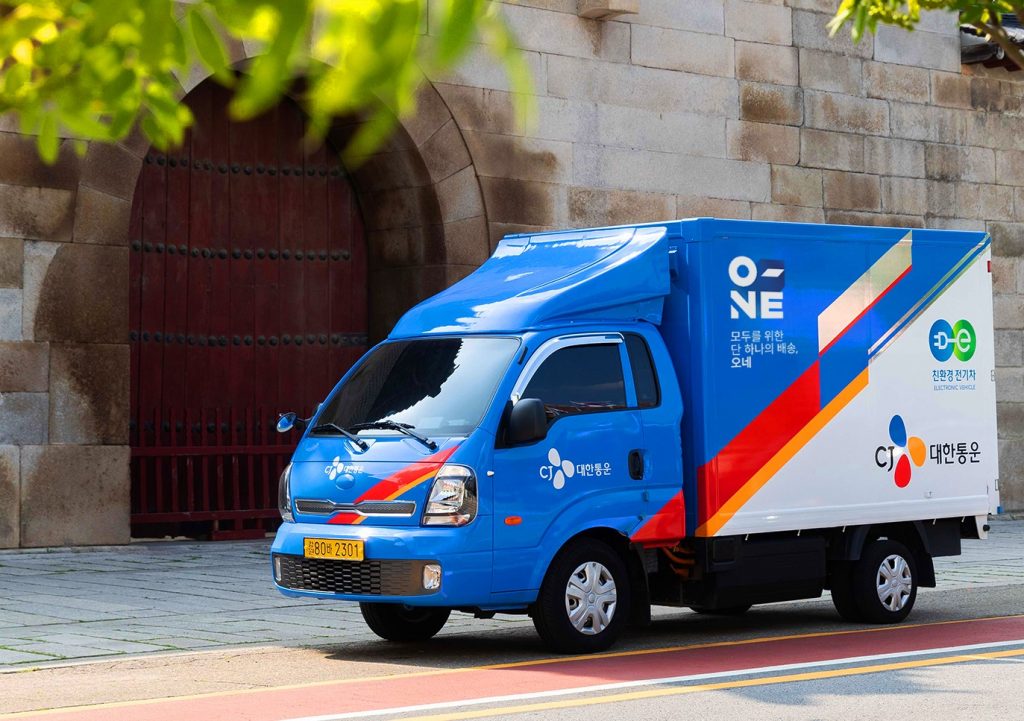
South Korea’s Ministry of Trade, Industry and Resources and Korea Customs Service announced that cumulative exports crossed $1 trillion on November 19, marking a historic achievement for a country that first reached $100 million in annual exports in 1964. That year, exports totaled just $119 million. Over the following 62 years, South Korea transformed itself from an aid dependent economy into one of the world’s leading manufacturing and trading nations.
The milestone also places South Korea ahead of Japan, which has yet to reach $1 trillion in annual exports despite its long history as a global industrial powerhouse. Germany and the United States first crossed the threshold in 2006, followed by China in 2007. South Korea is the first country to join that group in 19 years.
The achievement represents another chapter in what became known as the Miracle on the Han River, the rapid industrialization that transformed South Korea’s economy in the decades following the Korean War.
With few natural resources and limited capital, South Korea initially relied on labor intensive manufacturing, particularly textiles and clothing, to generate foreign currency. The earnings helped finance investment in steel, shipbuilding and petrochemicals, establishing the industrial foundation for the country’s subsequent expansion into automobiles, electronics and advanced technology.
By the 1990s, South Korea had increasingly shifted toward higher value manufacturing, particularly semiconductors. That transition positioned the country to benefit from one of the largest technological investment cycles in recent years.
The global AI boom has become the latest catalyst behind South Korea’s export expansion. As major technology companies pour capital into data centers and computing infrastructure, demand for memory chips has surged, driving up both shipments and prices.
According to the trade ministry, the fixed price of a 16GB DDR5 memory product climbed from $8.70 in October 2025 to $50 in October 2026. Semiconductor exports consequently surged from $135.4 billion in the first ten months of 2025 to $396.8 billion during the same period this year.
Semiconductors accounted for 74.5% of the $351.1 billion increase in total exports, illustrating the scale of the industry’s contribution to South Korea’s latest economic milestone. The sector now represents more than 40% of the country’s exports, making demand for advanced chips a critical factor in sustaining growth.
The expansion has not been confined to semiconductors. Computer exports reached $45.1 billion during the first ten months of 2026, roughly three times the previous record. Petrochemical exports climbed to $57.4 billion, supported by rising global petroleum product prices amid the conflict between the United States and Iran.
Exports of electrical equipment, nonferrous metals, biotechnology products, cosmetics and agricultural and seafood products also reached record levels. The gains indicate that South Korea’s export expansion extends beyond its largest technology manufacturers to smaller businesses and consumer industries.
The South Korean government expects exports to reach $1.17 trillion by the end of 2026, with imports projected at $780 billion. That would produce a trade surplus of roughly $390 billion, compared with $77 billion last year, while pushing total annual trade close to $2 trillion.
President Lee Jae Myung credited the achievement to generations of workers and businesses that helped build the country’s industrial economy. He pledged to turn the record export performance into sustained economic growth.
Yet South Korea’s success also presents a growing challenge in its relationship with the United States.
Washington has already raised concerns over South Korea’s persistent bilateral trade surplus, which stood at roughly $50 billion last year. The two countries have spent more than a year negotiating tariffs and investment commitments, and South Korea’s widening trade surplus could add pressure to an already complicated economic relationship.
The situation underscores a tension in the two countries’ economic ties. Expanding investment in AI infrastructure by American technology companies is helping fuel demand for the semiconductors that have propelled South Korea’s exports to record levels. At the same time, Washington is seeking to address trade imbalances and encourage greater investment in domestic manufacturing.
South Korea is facing similar pressures elsewhere. Türkiye and India have expressed concerns about structural trade imbalances, while European countries are introducing measures to strengthen domestic manufacturing and protect local industries. Expanding market access is becoming more difficult because South Korea already has free trade agreements with many of its major trading partners.
The government is therefore exploring ways to turn its growing trade surplus into a source of long term economic strength. Officials have pointed to Japan’s experience of investing accumulated trade surpluses overseas, generating investment income while expanding international business opportunities.
South Korea, however, intends to preserve the domestic manufacturing capabilities that made its economic transformation possible.
Kang Kam-chan, the trade ministry’s director general for trade and investment, emphasized that overseas expansion should not come at the expense of advanced factories and core production facilities at home. The government wants South Korean companies to increase their international investments while maintaining the industrial foundation that supports exports, employment and technological development.
The challenge is whether South Korea can sustain its extraordinary export growth while navigating rising trade barriers, fluctuating semiconductor prices and growing pressure from its trading partners.
The country that once depended on foreign assistance to survive has now become a central participant in global manufacturing and technology supply chains. Its rise from the devastation of war to the $1 trillion export milestone stands as one of the most dramatic economic transformations of the modern era.