Digital banking promises greater convenience and lower operating costs, but the shift away from cash is creating an unexpected problem. As banks move more services onto smartphones, the machines and branches that provide access to physical money are disappearing.
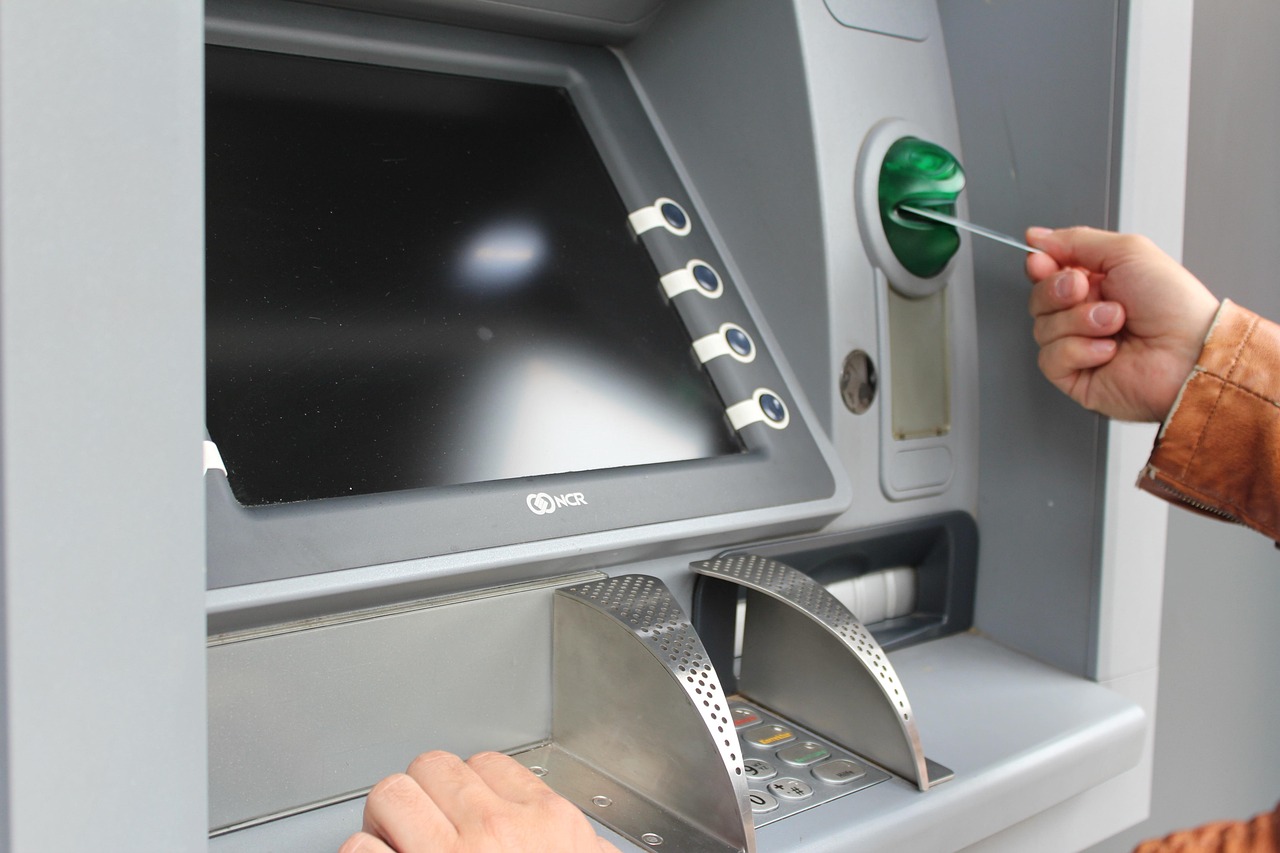
The changing economics of retail banking are particularly visible in South Korea, where four major lenders have eliminated more than 1,200 automated banking machines in less than two years. With fewer customers using cash, banks are reducing the physical infrastructure that requires expensive security, cash transportation and maintenance.
The trend exposes a growing divide in modern banking. Financial institutions can serve customers through digital platforms without maintaining extensive ATM networks, but older consumers and people living in rural communities still depend on physical banking services. As those networks shrink, access to cash becomes increasingly difficult.
South Korea’s four largest commercial banks, KB Kookmin Bank, Shinhan Bank, Hana Bank and Woori Bank, operated a combined 16,634 automated banking machines at the end of September 2026, down from 17,902 at the end of 2024, according to their third-quarter financial reports. The 1,268-machine reduction represents a 7.1% decline.
The figures cover ATMs, cash dispensers and automated bill-payment terminals. The four lenders removed 869 machines in 2025 and another 399 during the first nine months of 2026.
Shinhan Bank, one of South Korea’s largest commercial lenders, made the deepest cuts, eliminating 577 machines, or 11.6% of its network, leaving 4,414 in operation.
Woori Bank, another major lender, reduced its network by 414 machines, or 9.8%, to 3,808. KB Kookmin Bank, one of the country’s leading retail banks, removed 254 machines, a 4.9% decline, bringing its total to 4,915.
Hana Bank, the fourth major lender, made a smaller reduction of 23 machines, or 0.7%, leaving 3,497.
The retreat extends beyond cash machines. According to the Korea Federation of Banks, South Korea’s banking industry association, the four lenders operated 2,665 branches and smaller banking offices at the end of September, 37 fewer than three months earlier. Woori Bank accounted for all the closures.
The contraction is raising concerns about customers who cannot easily replace traditional banking with digital services. Elderly consumers who are less familiar with mobile applications and residents outside major urban centers face growing difficulties accessing cash and in-person assistance.
Banks point to changing consumer habits and the expense of maintaining cash infrastructure. As mobile banking becomes routine and cash transactions decline, fewer customers use ATMs, while the costs of transporting money, providing security and maintaining equipment remain.
A banking industry official said falling demand for cash withdrawals and the increasing popularity of digital financial transactions are driving the continued reduction in automated banking machines.
The result is a fundamental change in how banks deliver financial services. The same technology that makes everyday banking faster and less dependent on physical locations is also reducing access to traditional services.
South Korea’s shrinking banking network illustrates the tension at the heart of the cashless economy. Banks are adapting to customers who increasingly manage their finances digitally, while those who still need physical cash are finding fewer places to obtain it.