Apple’s first foldable iPhone is testing consumers’ willingness to pay luxury-level prices for new smartphone designs, with the top model costing nearly $3,500 and initial preorder inventory selling out within hours. The launch offers Apple a potential new source of revenue growth in a saturated smartphone market, while giving U.S. investors an early test of whether premium foldable devices can command substantially higher prices without sacrificing broader consumer demand.
When preorders opened on October 16, Apple’s new iPhone Duo was priced in South Korea at approximately $2,260 for the 256-gigabyte model, $2,460 for 512GB, $2,870 for 1 terabyte and $3,490 for 2TB. Even the entry-level version costs more than $2,000, while the top configuration marks an unprecedented price for an Apple smartphone.
The pricing puts Apple well above its main rival in the foldable segment. Samsung Electronics’ Galaxy Z Fold 8 starts at approximately $1,560 for its 256GB model in South Korea, leaving Apple’s entry-level device about $700 more expensive. The gap widens to more than $1,900 when the iPhone Duo’s 2TB model is compared with Samsung’s base configuration.
Early demand has nevertheless been strong. Coupang, a major South Korean e-commerce platform, sold out of its unlocked iPhone Duo inventory shortly after preorders began at 9 p.m. on October 16. Apple’s official online store also ran out of launch-day delivery slots. By the afternoon of October 17, the earliest estimated delivery date had slipped to January 22, 2027, nearly three months after the device’s October 23 release.
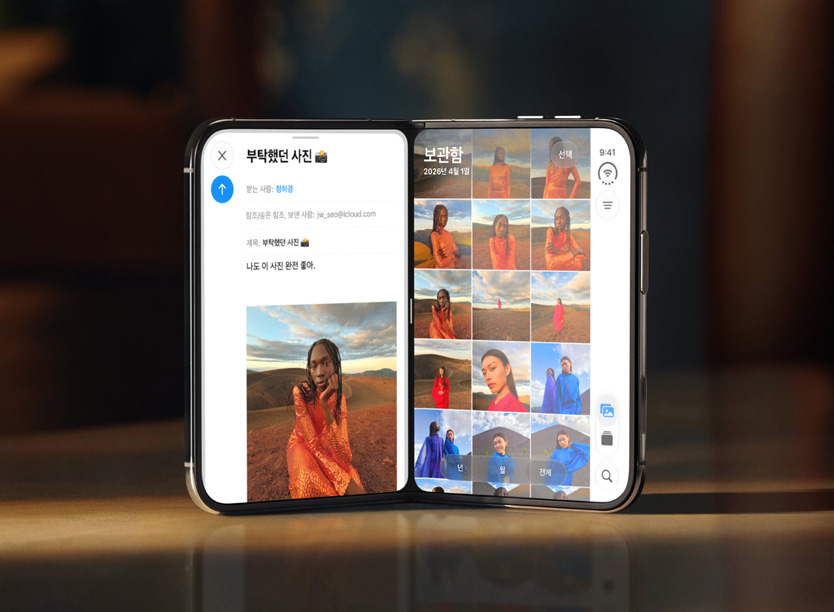
The iPhone Duo marks Apple’s entry into the foldable smartphone market, featuring a 5.4-inch display when closed and a 7.6-inch screen when unfolded. The company is promoting a less visible display crease and multitasking capabilities intended to make the larger screen more useful for everyday tasks.
For Apple, the launch represents an opportunity to increase average selling prices and create a new premium category as smartphone makers seek growth beyond routine upgrades. Strong initial interest also suggests that a segment of loyal customers and early adopters is willing to pay significantly more for a new device format.
But preorder sellouts alone do not establish the product’s long-term commercial potential. Apple has not disclosed its South Korean allocation, and retailer inventory figures remain unavailable. The technical complexity of manufacturing foldable displays and hinges could also be constraining early supply, making it difficult to distinguish exceptional consumer demand from limited availability.
The next test is whether initial enthusiasm translates into sustained sales as production expands and delivery times improve. For Apple and its investors, the iPhone Duo’s longer-term significance will depend on whether mainstream buyers view the foldable design as worth the substantial premium — and whether the company can turn a high-priced debut into a durable source of growth.