South Korea’s stock-market selloff is putting pressure on investor confidence as higher global interest-rate expectations, questions about returns on artificial-intelligence investments and rising oil prices cloud the outlook for Asian equities. For U.S. investors exposed to semiconductor stocks and broader Asian markets, the turmoil raises a critical question: does the decline represent a temporary pullback or a deeper reassessment of technology valuations and global growth?
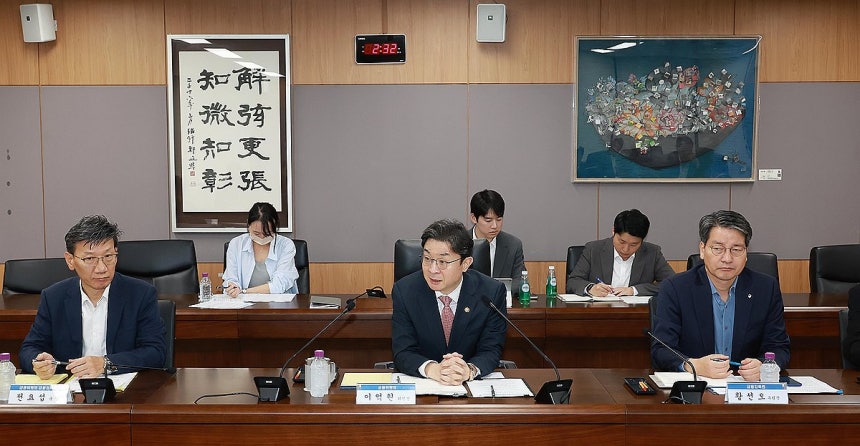
The Financial Services Commission held an emergency market review on October 15, 2026, after the benchmark Kospi index fell below 5,500 during intraday trading. Chairman Lee Eog-weon led discussions with the Financial Supervisory Service, Korea Exchange and market experts on trading conditions, including activity by foreign and institutional investors.
Officials identified several forces behind the volatility, including expectations of higher global interest rates, uncertainty over returns on AI-related investments and rising international oil prices. They also raised concerns that the speed of the decline and imbalances in trading flows may have intensified the selloff beyond what underlying economic conditions would justify.
Despite the market pressure, officials pointed to earnings strength in major sectors, including semiconductors, defense and shipbuilding. They also cited South Korea’s foreign-exchange reserves, current-account position and financial-sector soundness as signs that the country’s economic fundamentals remain relatively resilient.
The government’s response reflects a broader challenge facing equity markets: separating a fundamental deterioration in corporate prospects from a rapid shift in investor sentiment. For U.S. investors, the distinction is particularly relevant as uncertainty over AI spending returns and interest rates influences valuations across global technology supply chains.
South Korean financial authorities and market institutions said they would closely monitor domestic and overseas markets, along with trading flows. They pledged to respond firmly to market manipulation, false rumors and illegal short selling, while preparing contingency measures if conditions deteriorate further.
Lee urged officials to remain vigilant even when relatively small market movements signal emerging instability. He emphasized financial stability and investor protection, while warning investors against excessive borrowing to finance stock purchases.
The chairman also called on financial institutions to avoid indiscriminate lending for investment and strengthen customer safeguards. The immediate question for investors is whether the Kospi’s decline marks a short-term repricing of risk or a more sustained reassessment of AI-related valuations and global economic prospects. Seoul’s next moves will be closely watched as authorities seek to curb disorderly trading without disrupting normal market activity.