Central bank compensation offers a window into how major economies structure pay for officials whose interest-rate decisions influence global markets, borrowing costs and investment returns. For U.S. investors tracking monetary policy across Asia, South Korea’s central bank governor received substantially more reported compensation than Federal Reserve Chair Jerome Powell in 2025, though differences in how the institutions calculate pay complicate a direct comparison.
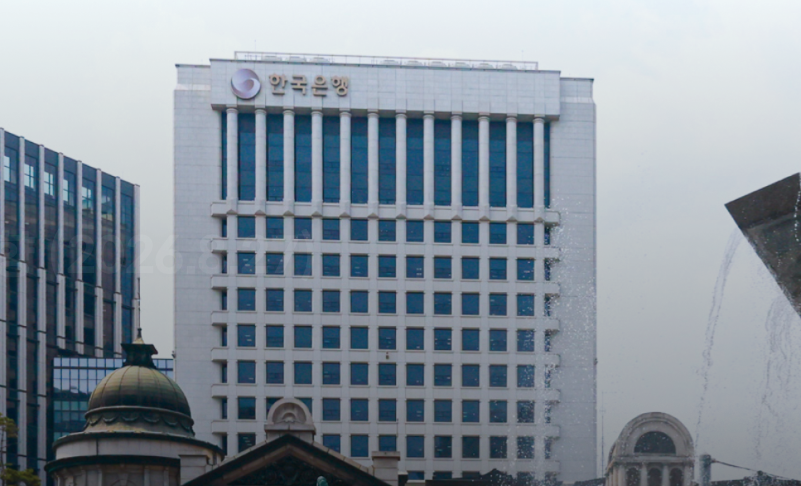
The Bank of Korea reported on October 14, 2026, that its governor received 405.5 million won ($285,000) in annual compensation in 2025, up 3.1% from the previous year. Compensation increased by 12.2 million won ($8,600), rising from 380.5 million won ($267,600) in 2023 to 393.3 million won ($276,600) in 2024 before crossing the 400 million won threshold for the first time.
The total exceeded the $203,500 annual salary publicly reported for Powell, who led the Federal Reserve during 2025. Using South Korea’s average exchange rate of 1,422.16 won per dollar last year, Powell’s salary was equivalent to about 289.4 million won ($203,500). The Bank of Korea governor’s reported compensation was therefore higher by approximately 116.1 million won ($81,600).
The comparison is not strictly equivalent. South Korea’s reported total includes base pay, performance bonuses and salary-related benefits, while the Federal Reserve’s disclosed figure represents the chair’s official salary. The difference reflects not only the amounts paid but also the compensation categories included in each institution’s reporting.
Compensation at other major central banks varied. Bank of Japan Governor Kazuo Ueda received 37.814 million yen in fiscal 2025, which ran from April 2025 through March 2026. Based on the reported conversion of approximately 359 million won, his compensation was about $252,400 at the 2025 average won-dollar exchange rate.
European Central Bank President Christine Lagarde received a basic salary of 492,204 euros in 2025, equivalent to approximately 790 million won ($555,500), based on the reported won conversion and the 2025 average exchange rate. Her basic salary exceeded the Bank of Korea governor’s reported total compensation.
The Bank of Korea has also faced scrutiny over its assessment of single-stock leveraged exchange-traded funds. In a financial stability report published on June 24, the central bank outlined potential benefits of the products, including reducing regulatory disparities, limiting capital outflows, attracting foreign investment and broadening investment opportunities. The assessment drew criticism amid concerns about the risks leveraged products pose to individual investors.
On October 12, Governor Shin Hyun-song apologized during a parliamentary audit, saying the central bank had not sufficiently warned about the risks of single-stock leveraged ETFs and acknowledging that the report’s assessment had been inappropriate at the time. His apology followed earlier expressions of regret from Financial Supervisory Service Governor Lee Chan-jin, who said in June that he personally regretted not doing more to oppose the products.
For investors, the episode highlights the challenge regulators face in balancing market development and investor access against the risks of leveraged trading. Alongside differences in central bank compensation, the controversy underscores the importance of transparency, risk disclosure and regulatory accountability in financial markets