The global AI-chip race is moving beyond processors and into the ecosystems that support them, giving AMD an opportunity to challenge Nvidia by locking in memory suppliers, technology partners and customers in one of Asia’s most advanced semiconductor markets. For U.S. investors and technology companies, AMD’s expanding ties with South Korea could provide a test of whether an open AI-computing strategy can translate into commercial gains against Nvidia’s dominant platform.
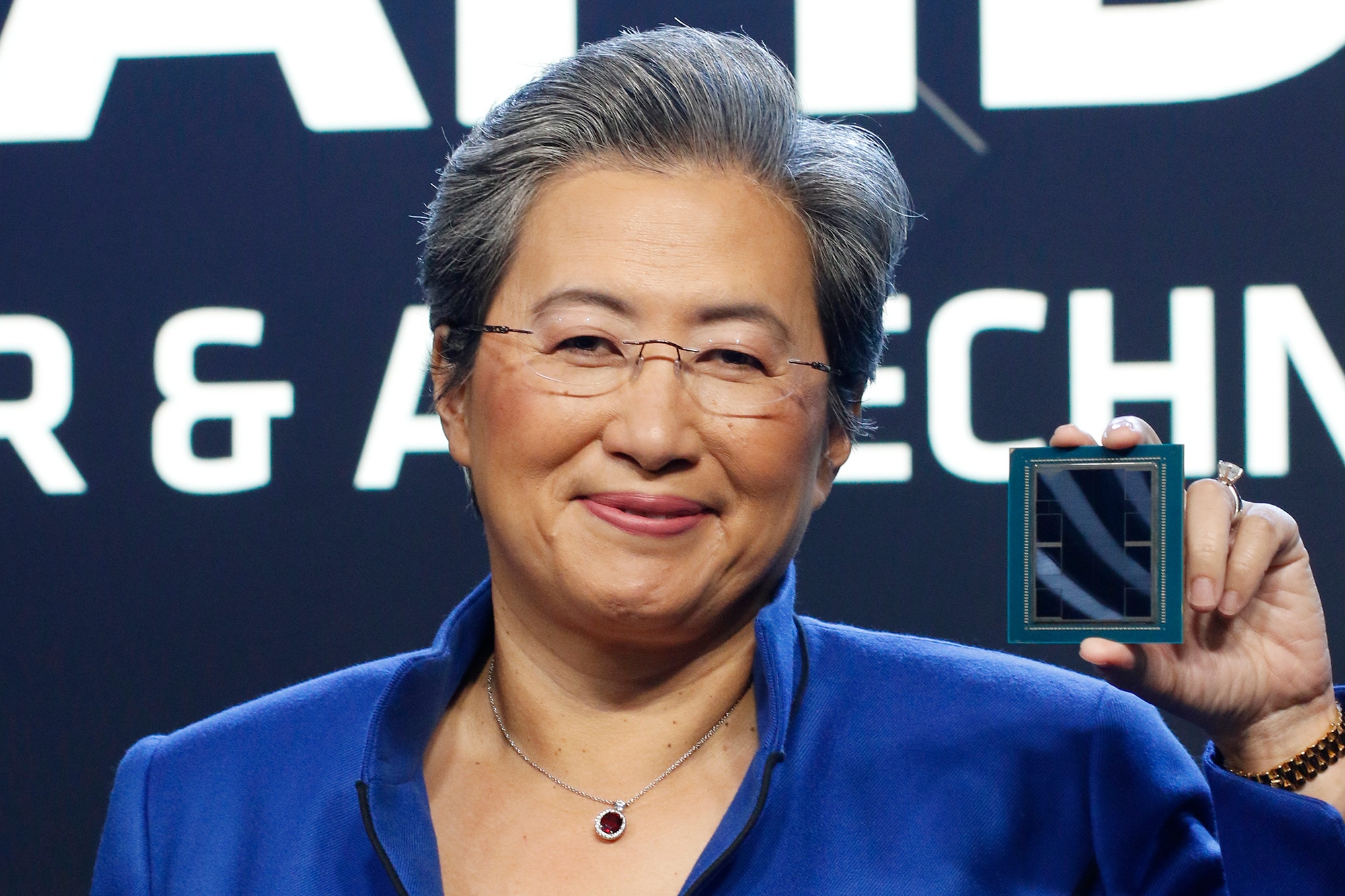
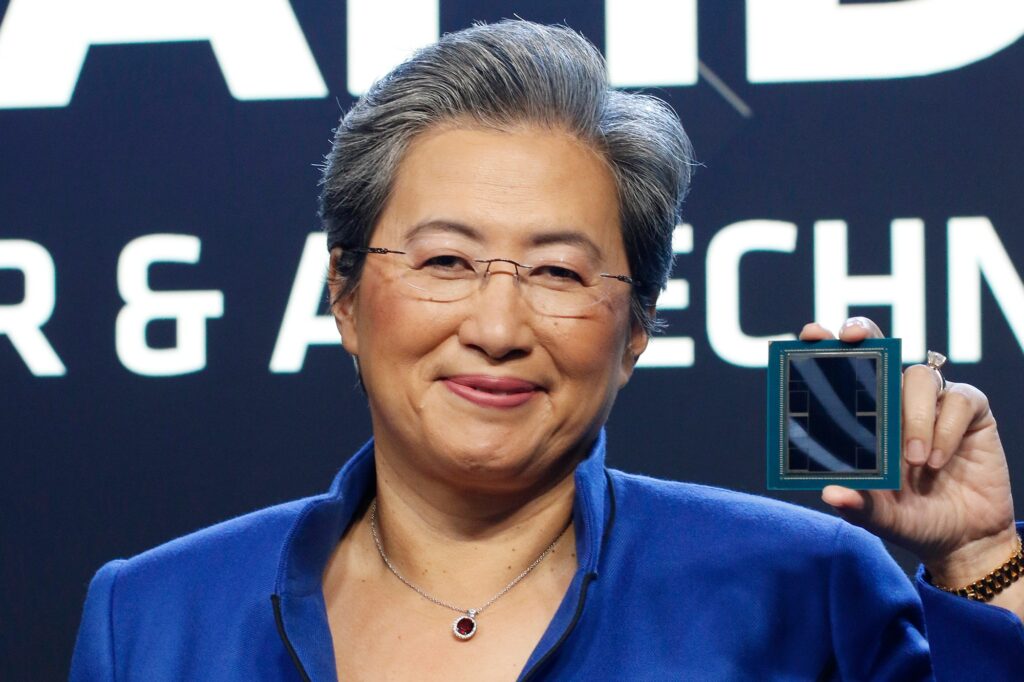
AMD Chief Executive Lisa Su returned to South Korea on October 7, seven months after her first visit, as the chipmaker seeks to deepen partnerships spanning memory, AI infrastructure and local startups. Her latest trip underscores the strategic importance of South Korea as demand for AI accelerators expands and competition over the next generation of computing infrastructure intensifies.
Su was scheduled to meet South Korean neural processing unit, or NPU, companies before attending AMD’s Gamer Day event in Seoul. AMD Senior Vice President Jack Huynh was also scheduled to participate, with Su expected to address reporters following the event.
AMD is pursuing an open ecosystem built around its Instinct AI accelerators and ROCm software platform, offering an alternative to Nvidia’s highly integrated hardware-and-software stack. The company is also a founding member of UALink, a high-speed interconnect standard backed by technology companies including Google, Apple and Microsoft.
South Korea has emerged as an important partner in that strategy. During Su’s first visit in March, she met Samsung Electronics Executive Chairman Jay Y. Lee and Samsung Electronics co-CEO Jun Young-hyun.
Samsung Electronics was subsequently designated a preferred supplier of HBM4 high-bandwidth memory for AMD’s next-generation Instinct accelerators, strengthening ties between two companies that occupy critical positions in the AI hardware supply chain.
Su also met Naver CEO Choi Soo-yeon at Naver’s 1784 headquarters in Seongnam, where the companies signed a memorandum of understanding covering next-generation infrastructure and AI ecosystem development.
AMD has expanded those efforts into South Korea’s startup sector as well. Su met Upstage CEO Kim Sung-hoon to discuss supplying AMD’s latest GPUs and expanding their deployment for AI workloads.
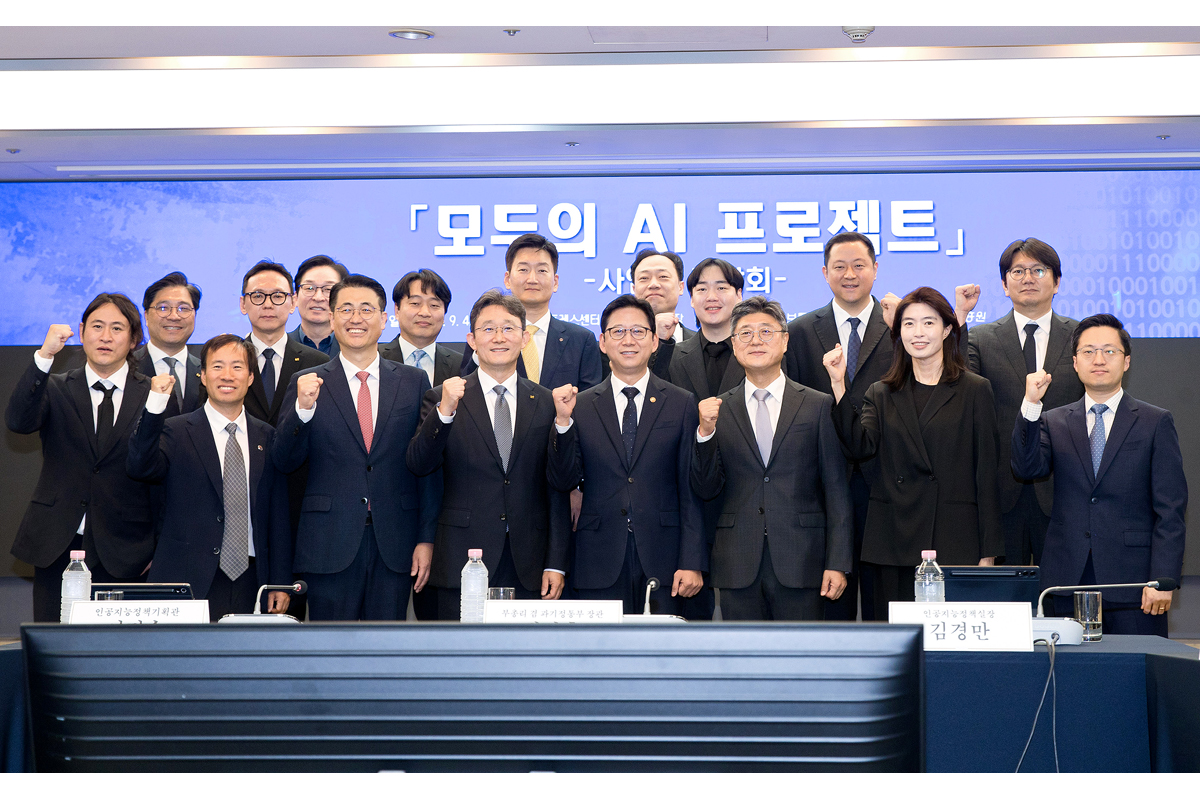
The chipmaker has also been working with the South Korean government to develop an alternative computing ecosystem. In July, AMD and South Korea’s Ministry of Science and ICT agreed to explore heterogeneous AI infrastructure combining AMD CPUs and GPUs with locally developed NPUs.
The initiative is intended to allow computing resources to be matched more efficiently with different AI workloads while creating an open environment in which South Korean companies can participate. The two sides also agreed to pursue an AI research center that could serve as a hub for the partnership.
For AMD, the opportunity in South Korea extends beyond selling chips. Securing relationships with Samsung, Naver, AI startups and government-backed research programs could give AMD access to both the supply chain and a growing pool of AI customers.
That approach could become increasingly important as AI infrastructure expands from hyperscale data centers into enterprise applications and specialized computing. For U.S. investors, the critical question is whether AMD can convert its expanding South Korean network into meaningful accelerator deployments and recurring demand.
Su’s return comes as AMD attempts to turn its open-ecosystem strategy into a credible commercial alternative to Nvidia. South Korea, with its concentration of advanced memory, semiconductor manufacturing and AI companies, could become one of the most important proving grounds for that strategy.