As 5G markets mature, network performance is shifting from a coverage race to a competition over speed, reliability and real-world application quality. That trend is putting South Korea’s mobile networks in the spotlight—and giving U.S. telecom operators, equipment makers and investors a benchmark for how dense, advanced markets can monetize next-generation connectivity.
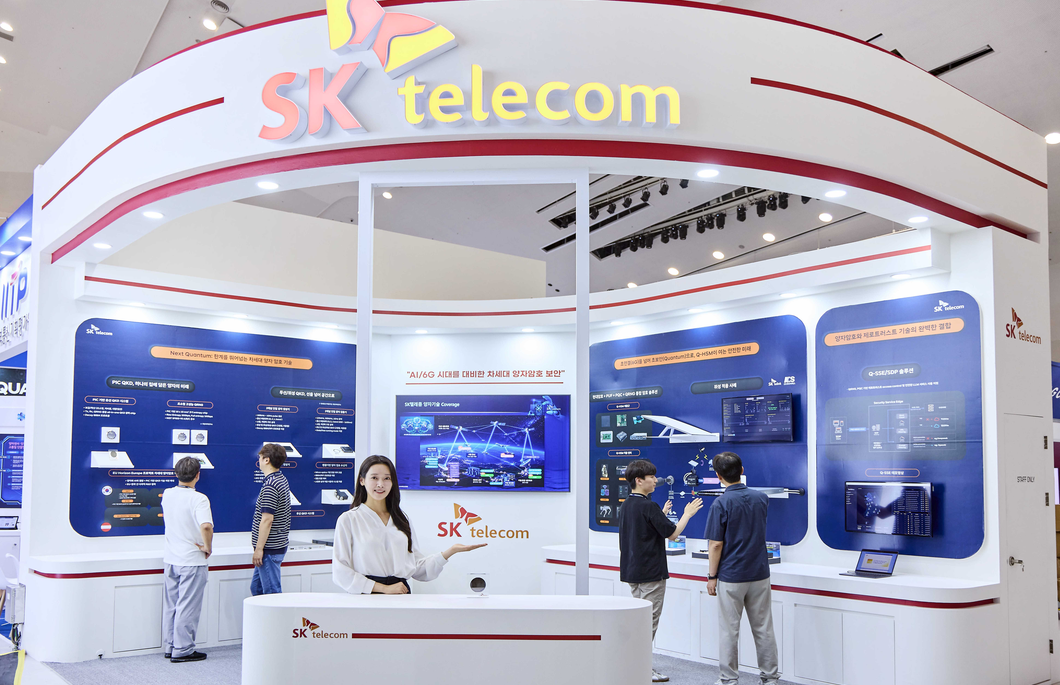
SK Telecom and KT captured top spots in Opensignal’s 2026 Global 5G Awards, underscoring the competitive advantage that can come from dense network infrastructure and sustained investment in mobile performance. The results also offer a reference point for U.S. carriers as they weigh the cost of further 5G upgrades against the need to improve the user experience.
The awards, released Sept. 30, are based on real-world user data collected from Jan. 1 through June 29. Opensignal evaluated download speeds, video, gaming, voice applications, reliability, coverage experience and 5G time, a category introduced this year.
To account for differences in geography, Opensignal divided countries into large and small markets at a threshold of 200,000 square kilometers, or about 77,200 square miles. South Korea falls into the smaller-market category.
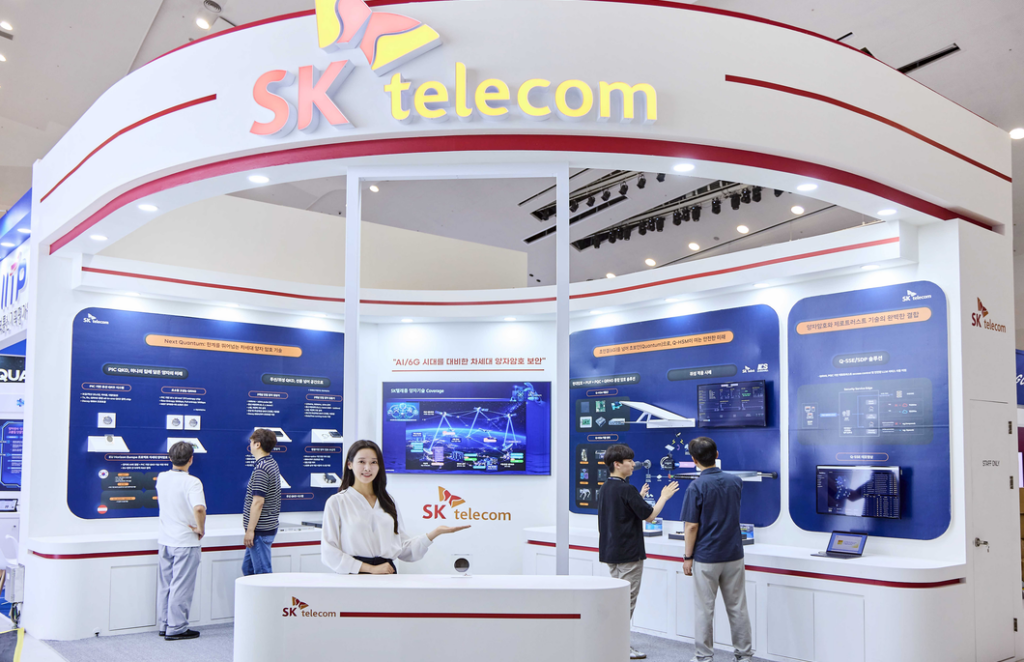
SK Telecom was named the Global Winner for 5G Download Speed among smaller markets, recording 495.1 Mbps. It also ranked as a Global Leader in 5G gaming, reliability, voice-app experience and 5G time.
KT took the Global Winner title for 5G Voice App Experience, which measures the quality of voice communications through calling and messaging applications. It was also named a Global Leader for download speed, gaming, reliability and 5G time.
LG Uplus, South Korea’s third major wireless carrier, was also recognized as a Global Leader in download speed, gaming, reliability and voice-app experience.
The results are notable because all three major South Korean carriers performed strongly across multiple categories rather than relying on a single network metric.
The global rankings also highlight how geography affects the economics of mobile networks.
In markets larger than 200,000 square kilometers, T-Mobile took the top positions for 5G Coverage Experience and 5G Time. Brazil’s Vivo led the large-market category for 5G Download Speed at 324 Mbps.
In smaller markets, Singapore’s Singtel led coverage experience, StarHub ranked first for 5G time and Swisscom of Switzerland topped gaming experience.
For U.S. carriers, the contrast with South Korea is particularly relevant. American operators must spread network investment across a much larger geographic footprint, making the economics of coverage expansion different from those of a densely populated market.
The Korean results instead point toward the next phase of 5G competition: extracting greater value from networks that are already broadly deployed. Speed, reliability, voice quality and application performance are becoming measurable differentiators as carriers seek to justify continued spending on network upgrades.
For telecom investors and equipment suppliers, that shift could make real-world network performance an increasingly important indicator of where additional capital is being deployed—and whether those investments translate into a measurable improvement in customer experience.