A calendar quirk that slashed the length of South Korea’s biggest autumn holiday kept more consumers close to home this year, delivering an unexpected windfall to the country’s domestic retail giants.
During Chuseok—a major harvest festival often described as the Korean equivalent of U.S. Thanksgiving—millions of South Koreans traditionally travel to their hometowns or head overseas. Because the holiday dates are based on the lunar calendar, the length of the break fluctuates. Last year, the holiday stretched to a rare seven days, prompting a mass exodus of international travelers.
This year, the break ran for just four days from Sept. 24 to 27. That constrained timeframe forced shoppers to alter their plans, redirecting their discretionary spending and travel budgets into domestic department stores, dining, and family leisure destinations.
The results suggest that the sheer length of a national holiday can directly dictate the flow of consumer capital in Asia’s fourth-largest economy.
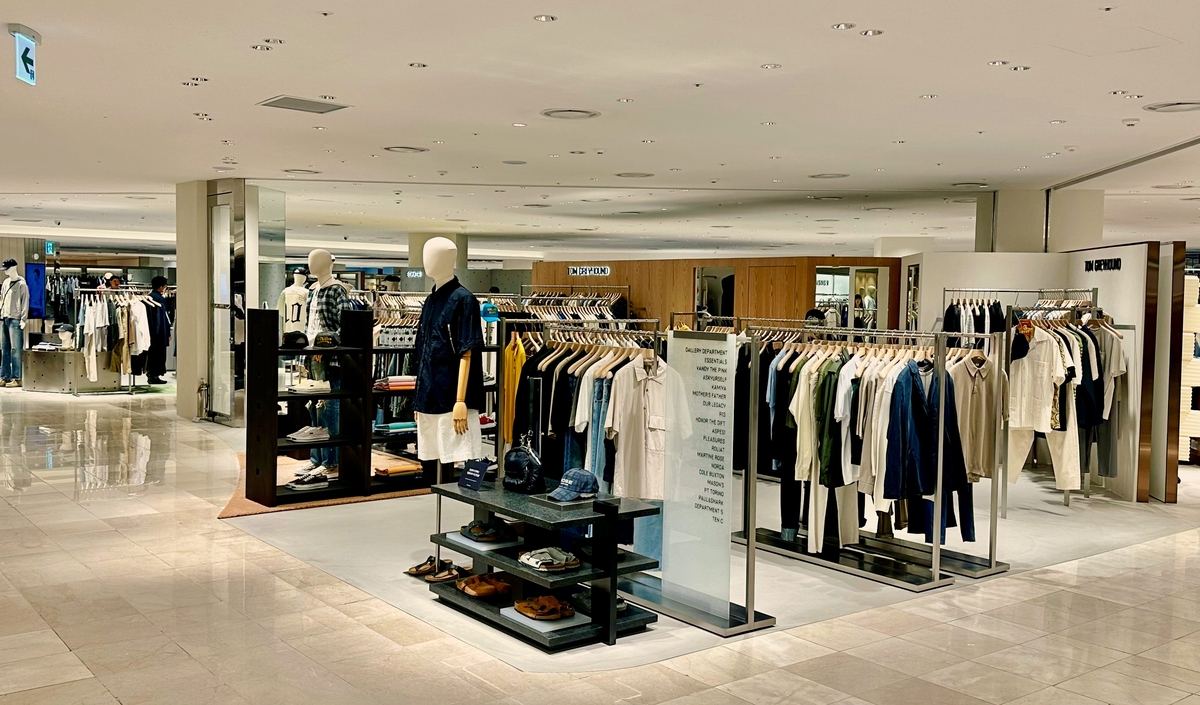
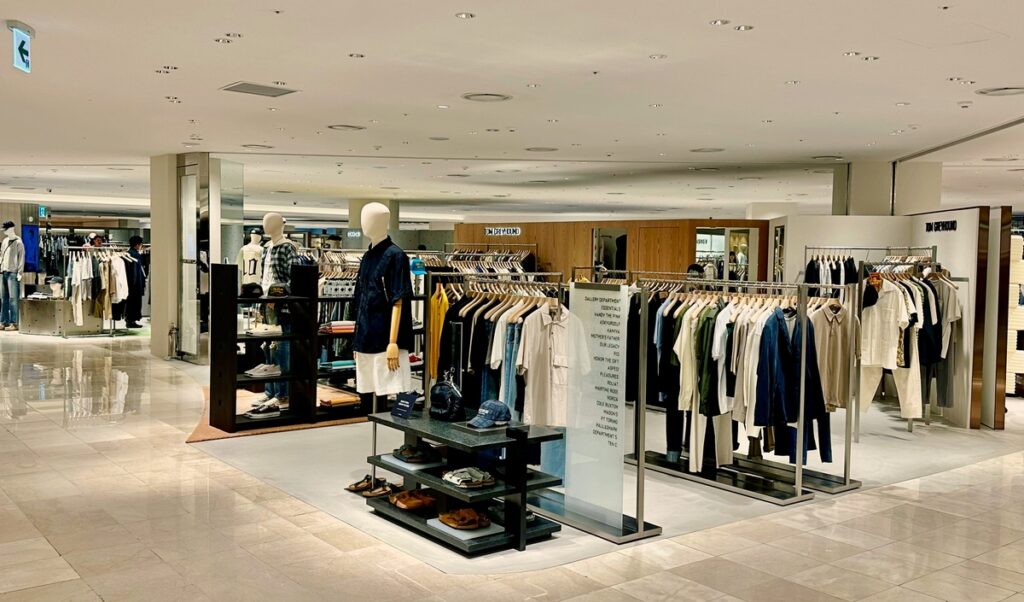
Sales at South Korea’s dominant department store chains jumped roughly 20% during the four-day holiday compared with the same Chuseok period last year. Lotte Department Store reported a 20% year-over-year increase in sales, driven by a 15% rise in the number of purchasing customers. Its rivals saw similar surges: Shinsegae Department Store posted a 21.6% increase, and Hyundai Department Store reported a 20.3% gain.
Luxury and high-end discretionary spending remained particularly robust. At Shinsegae, luxury jewelry sales skyrocketed 73%, while luxury watch sales climbed 50.7%. Sales of large home appliances and living products jumped 50.2% and 45.1%, respectively.
The shift underscores a broader strategic evolution for South Korea’s massive retail conglomerates. Operators like Lotte, Shinsegae, and Hyundai have been aggressively expanding beyond traditional retail into “shoppertainment”—building mega-complexes that feature dining, entertainment, and family-oriented leisure activities. The latest holiday data indicates that these sprawling destinations are effectively competing not just for shoppers’ wallets, but for their limited leisure time.
“Consumers can still spend, but more of that spending is concentrated in places they can reach within a few hours,” noted a retail industry analyst.
The trend extended well beyond urban department stores. Outlet malls and large suburban shopping complexes capitalized on families seeking nearby holiday outings. Hyundai’s four premium outlet locations posted a 22% overall sales increase, heavily bolstered by a 55% jump in sporting goods. Lotte World Mall, a massive shopping and entertainment complex in Seoul, drew roughly 750,000 visitors over the holiday.
Discount grocers also captured some of the domestic spending spillover. E-Mart, the country’s largest big-box retailer, reported a 9.6% sales increase over a three-day period surrounding the holiday, fueled by strong demand for fresh produce, meat, and prepared meals.
The data highlights a shifting dynamic for South Korea’s retail industry. Department stores and entertainment venues stand to benefit significantly when consumers cannot justify a long-haul international flight but still want to transform a brief holiday into a premium leisure experience. The shortened Chuseok break proved that when Korean consumers have less time off, they do not necessarily spend less—they simply spend closer to home.