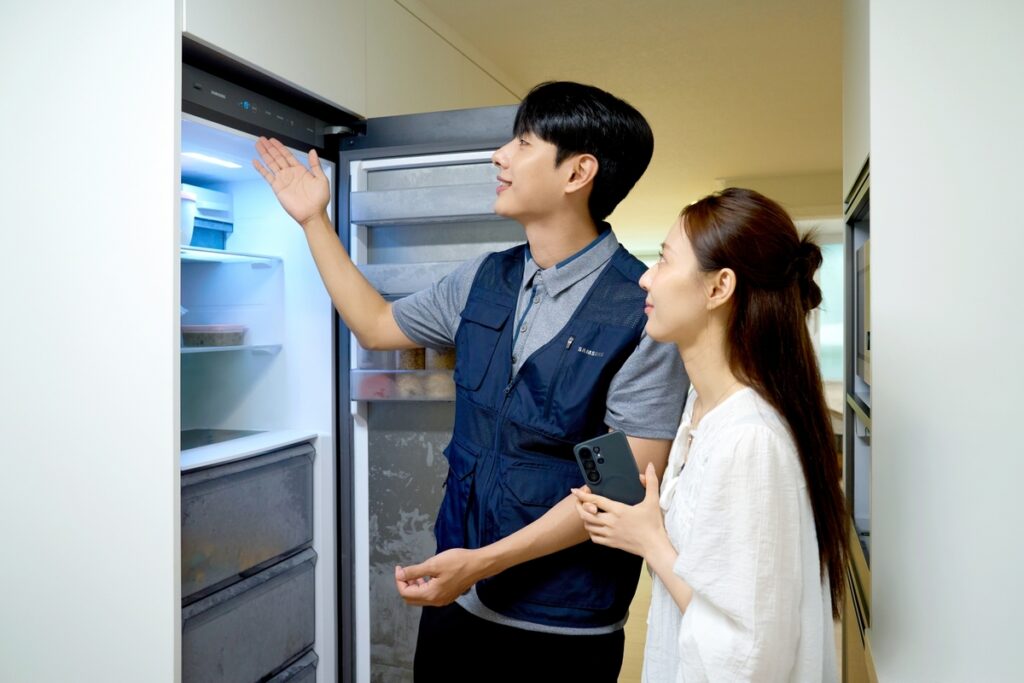
The growing use of software and artificial intelligence in household appliances is creating a new operational risk for appliance makers and investors: A software update can now disable a product that once depended largely on hardware. A failure involving Samsung Electronics’ connected refrigerators shows how the shift toward AI-powered homes could add quality-control, cybersecurity and customer-service risks even as manufacturers seek to make connectivity a key source of growth.
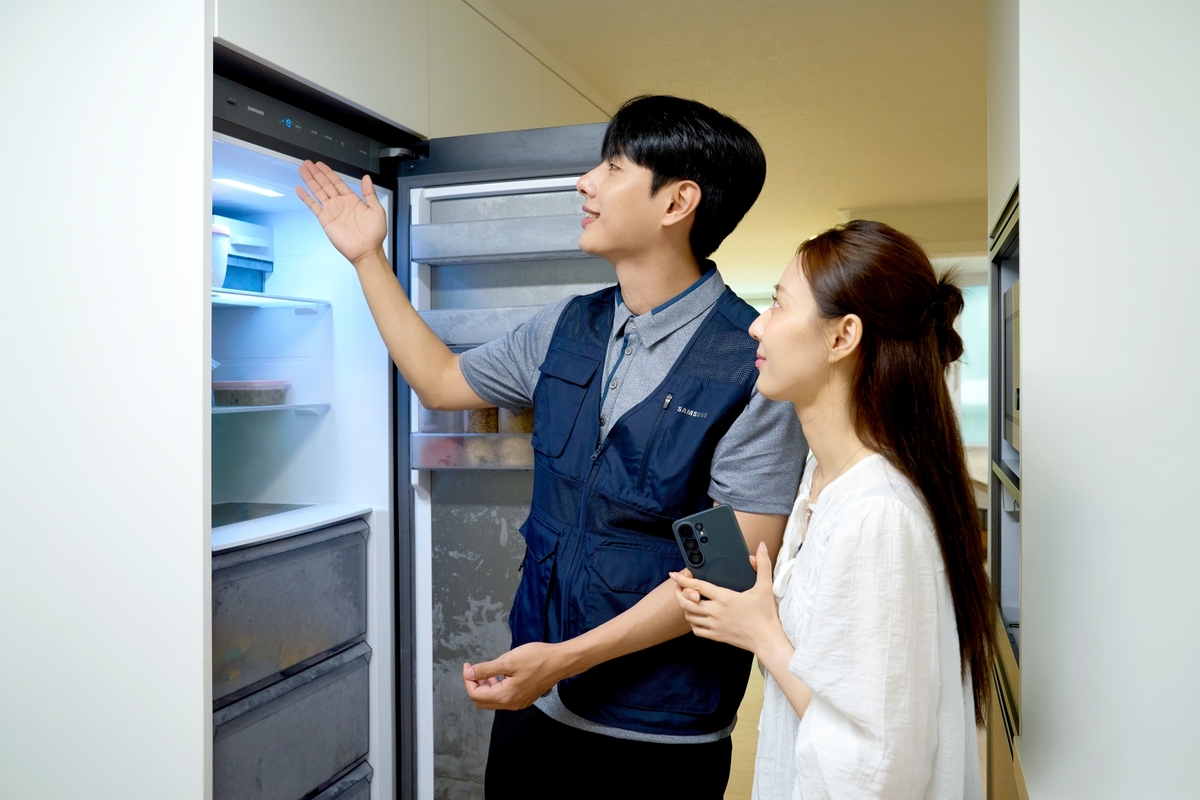
The problem began on September 22, when some owners of Samsung’s Bespoke AI four-door refrigerators reported that their appliances shut down after receiving a firmware update through Samsung’s SmartThings platform. The refrigerators stopped cooling, while the SmartThings app showed the products as offline.
The incident came just before South Korea’s Chuseok holiday, a major family holiday when households typically stock up on food. Some customers said they had to discard groceries, holiday dishes and prepared baby food after their refrigerators stopped working.
One customer said on Samsung’s online community that the refrigerator was completely dark when the customer returned home from work. Another said food purchased for the holiday and a family birthday, along with homemade baby food, had to be thrown away. The customer also said water had flooded the kitchen overnight.
Samsung said it determined that a software update being tested internally had mistakenly been distributed to some customers. The company halted the rollout after discovering the problem and formed an emergency response team.
Samsung said it would provide free repairs and emergency recovery by September 24. But by September 27, customers were still posting complaints online that their refrigerators had not been restored or that they had not received clear information about compensation or reimbursement for losses.
The company said it continued dispatching service technicians during the holiday and that most affected refrigerators had been repaired. Some cases remained unresolved because customers and technicians could not coordinate visits during the holiday, Samsung said. The company said it would complete the remaining repairs promptly.
The episode points to a broader challenge for the appliance industry as manufacturers turn refrigerators, washing machines and other household products into connected computing devices. Software updates can add features and improve performance without replacing hardware, but they can also introduce a new failure point: A defective update can render an otherwise functional appliance unusable.
The incident also raises questions about software-development controls. Some customers questioned how an internal testing update could reach consumer products without additional approval or validation. The concern is particularly relevant as appliance makers increasingly connect products to cloud services and remotely manage core functions.
For investors, the shift creates a mixed picture. Connected appliances could generate new revenue from software, services and smart-home ecosystems while strengthening customer relationships. But companies also face higher costs and potential reputational damage from software failures, cybersecurity incidents and more complex after-sales service.
Samsung and LG Electronics dominate South Korea’s refrigerator market, together accounting for more than 90% of domestic sales, according to industry estimates cited in the report. Globally, however, the competitive landscape is more fragmented, with Chinese manufacturers such as Haier leading by unit shipments.
In the U.S., LG took the No. 1 position in the refrigerator market in 2025, according to figures cited in the report. Samsung remains a major competitor in North America and the premium and smart-refrigerator segments, although rankings vary depending on the market and measurement.
The competitive stakes are rising as appliance makers increasingly market connectivity and AI as premium features. For consumers, the appeal is convenience and automation. For manufacturers, the technology offers a way to differentiate mature hardware categories. But the Samsung incident demonstrates that the same software layer designed to make appliances smarter can also become a source of disruption.
Samsung said it acted immediately after identifying the faulty update and that most affected products had been repaired. The company said it would complete remaining service visits without delay.