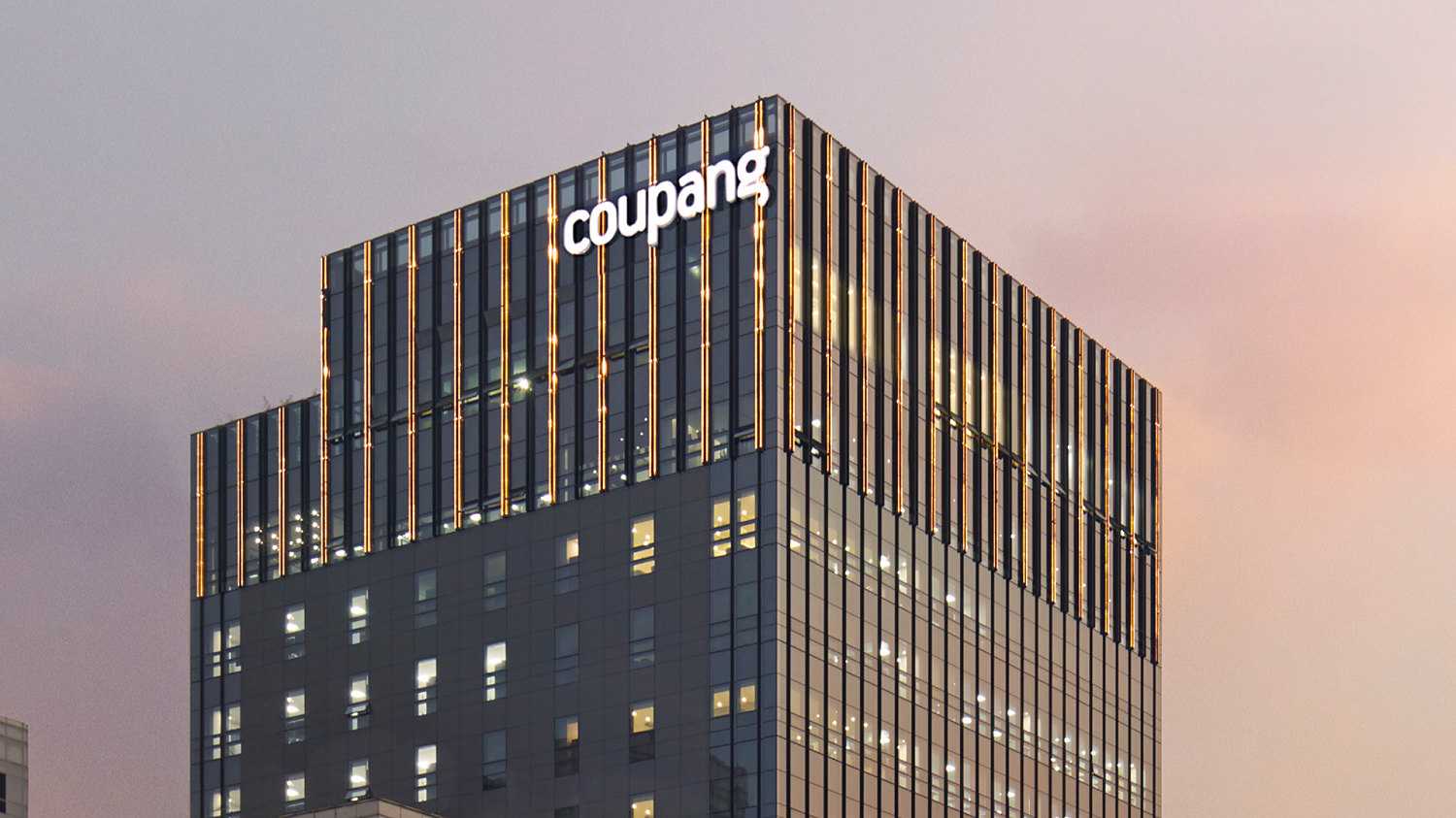
Coupang is spending about $3.2 million to help tens of thousands of people affected by a warehouse fire in South Korea, adding community recovery costs to a year already marked by hundreds of millions of dollars in regulatory expenses.
The New York listed e commerce company has built its dominance in South Korea around massive fulfillment centers and rapid delivery. That infrastructure has become a powerful competitive advantage, but the July fire in Incheon shows how quickly the economics can turn when something goes wrong. The costs can extend from damaged buildings and merchandise to neighboring homes, schools and emergency services.
The additional spending comes as Coupang is already under intense regulatory pressure in its largest market. South Korea’s privacy regulator announced administrative fines totaling about $410 million against a Coupang subsidiary in June over two separate data related matters. Coupang has recorded the amount as an expense but is challenging the penalties in court, and the final amounts could change.
Now the company is going beyond conventional compensation for another problem.
Coupang Fulfillment Services, the logistics subsidiary that operates Coupang’s fulfillment network, said it will provide 4.5 billion won, or about $3.2 million, to residents and communities affected by a fire at one of its logistics centers in Incheon, a major port city immediately west of Seoul.
The fire began July 18 and took firefighters more than 109 hours to fully extinguish. Large quantities of combustible materials stored inside the facility complicated the response, and people living in nearby residential neighborhoods were forced to evacuate.
About 1,800 cases of damage have been reported. Coupang, however, plans to provide financial assistance to roughly 28,000 residents, including people who did not file individual claims.
That is a significant departure from the usual process of requiring residents to document specific losses before seeking compensation. People living in designated neighborhoods around the warehouse will receive payments based on how close they were to the facility and how severely their daily lives were disrupted.
Residents in areas surrounding the warehouse will receive about $36 per person along with roughly $72 per household. People living closest to the facility, including some who were forced to stay in evacuation shelters, will receive about $72 per person and another $144 per household.
A family of four in the most severely affected area could receive about $430. Roughly 15,000 households are expected to qualify for the household payments. Residents who can prove additional individual losses will remain eligible to seek separate compensation.
The scale of the program stands out compared with previous industrial fires in South Korea. Residents living near a Hankook Tire factory fire in 2023 received basic payments equivalent to about $32 per person. Following a 2025 fire at a Kumho Tire factory, reported payments were around $36 per person.
Coupang is also directing money toward institutions caught up in the emergency. Four schools near the warehouse will receive a combined $110,000. One suspended classes during the fire, while others were used as temporary shelters for residents who had to leave their homes.
The company plans additional assistance for local welfare facilities and emergency responders, including scholarships for the children of firefighters involved in containing the blaze. Coupang also intends to work with the local government to give residents from the surrounding community priority when applying for jobs at logistics facilities, including technical positions involving automation equipment.
The latest payments follow free medical examinations, help with hospital and prescription expenses, emergency supplies and other assistance provided after the fire.
The fire itself could prove considerably more expensive than the community program. Coupang has estimated that the warehouse contained about $246 million in inventory, fixed assets and obligations related to merchandise belonging to third party sellers before the blaze. The company has said additional costs related to restoration, regulatory action and litigation cannot yet be reasonably estimated.
Coupang’s response illustrates the financial tradeoff behind a delivery system built around large facilities positioned close to population centers. Proximity makes faster delivery possible, but it also means a serious accident can spread the cost of a warehouse failure well beyond the warehouse itself.
That exposure is becoming harder to separate from the broader cost of operating Coupang’s Korean business. Regulatory penalties, physical infrastructure losses and community recovery spending arise from different events, but all ultimately flow through the same company whose shares trade in New York.
The $3.2 million being distributed around Incheon is small beside the hundreds of millions of dollars Coupang has already recorded in regulatory expenses and potential warehouse losses. What makes the program notable is where the company chose to draw the boundary of responsibility. Instead of limiting payments to the roughly 1,800 people who formally reported damage, Coupang is extending assistance across entire neighborhoods affected by an accident at the infrastructure that powers its delivery business.