South Korea’s biggest mobile carriers are about to find out how much artificial intelligence can really do when a wireless network is pushed to its limits.
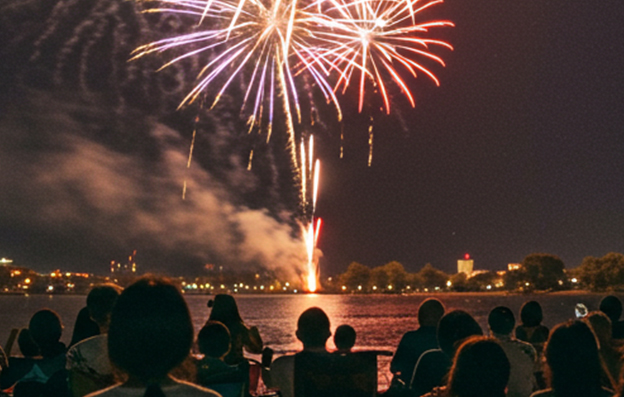
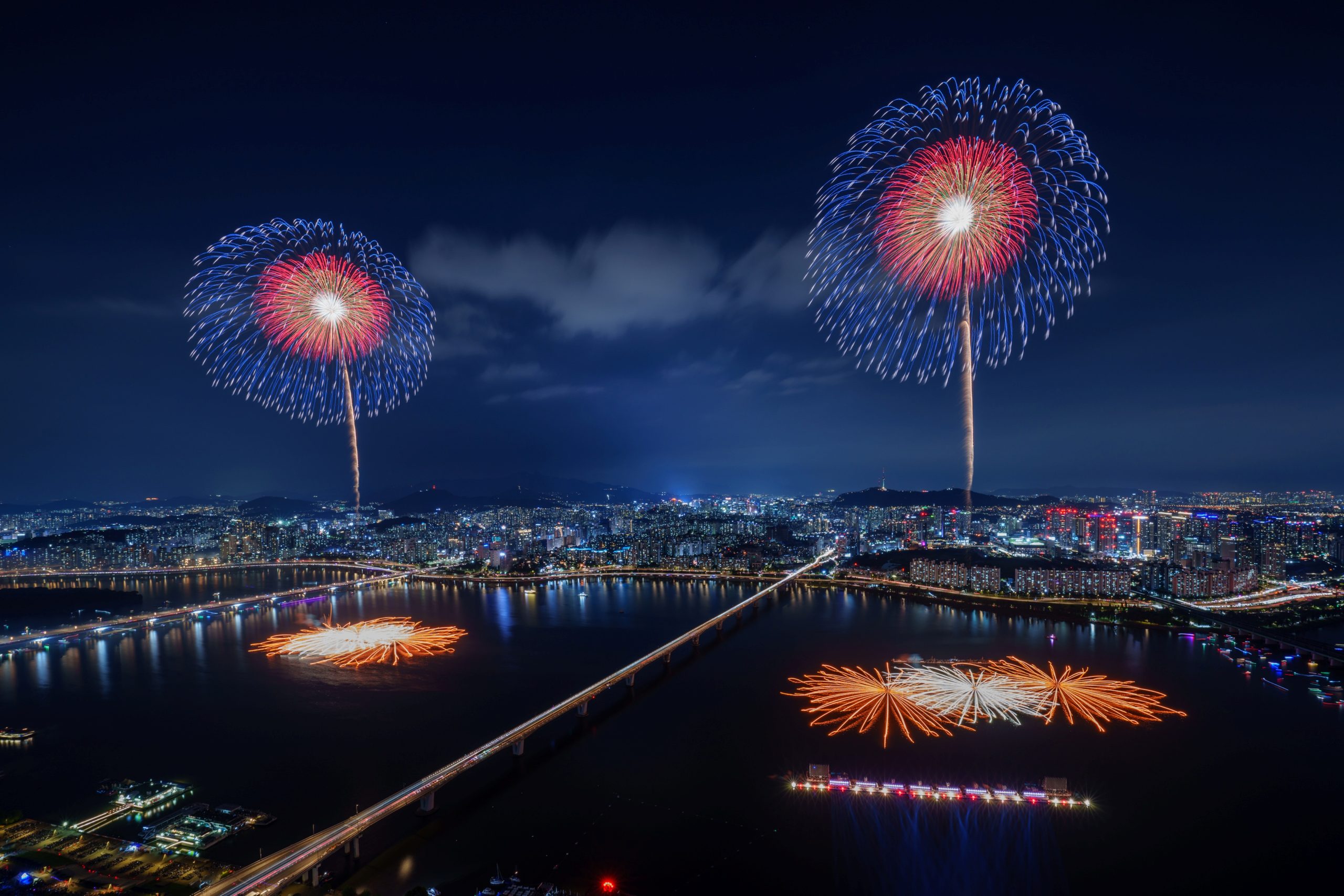
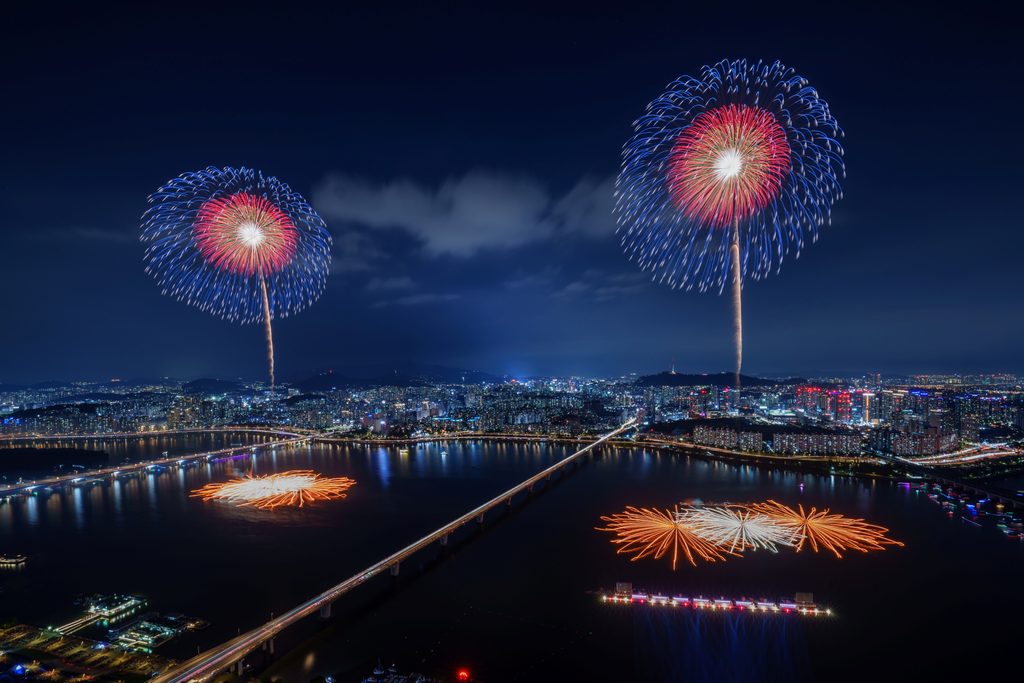
About 1 million people are expected to gather around Seoul’s Yeouido Hangang Park for a major fireworks festival on Sept. 5, creating the kind of sudden traffic surge that can overwhelm mobile networks within minutes. SK Telecom, KT and LG Uplus are preparing not only with more base stations and temporary equipment, but with AI systems and advanced 5G technology designed to predict congestion, redirect traffic and protect critical connections.
The test matters beyond Seoul because mobile carriers around the world are trying to shift network management from a labor intensive process toward systems that can anticipate problems and respond automatically. Large sports events, concerts and festivals provide some of the harshest real world conditions for that technology.
Thousands of people begin recording video, uploading photos and using social media at nearly the same moment, producing a concentrated spike in demand that ordinary network patterns rarely create.
The Seoul festival will give South Korea’s three major carriers a chance to show whether AI can do more than improve planning on paper. The systems will have to help manage heavy traffic as it develops across a crowded section of the capital while maintaining service for both spectators and event operators.
SK Telecom, South Korea’s largest wireless carrier, is relying on data collected during last year’s fireworks festival to predict where traffic will rise this year. The company recorded about 193,000 unique visitors on its network during the previous event, with simultaneous connections reaching a peak of 88,000 during the fireworks show. Crowds also spread beyond the main venue to nearby areas along the Han River.
To prepare, SK Telecom has expanded fixed network facilities around locations including Yeouinaru subway station and added temporary mobile and vehicle mounted base stations. But the more important change is happening in software.
The carrier will use A One, an AI based wireless network management system that analyzes expected crowd size, the number of SK Telecom subscribers, existing equipment capacity and projected network loads. The system can then recommend whether additional equipment is necessary and where mobile base stations should be placed.
SK Telecom said the technology has reduced the time needed to analyze a major event and build a network response plan from about five days to around 30 minutes. During the festival, the system will continue identifying areas where traffic is becoming unusually concentrated so engineers can respond as conditions change.
KT, another major South Korean telecommunications company, is taking a different approach to part of the same problem. The carrier has expanded network capacity around Yeouido Hangang Park and nearby subway stations and will operate a control center around the clock during the event.
KT will also use 5G network slicing to protect communications used by festival organizers. The technology allows portions of a physical 5G network to be reserved for specific purposes. In this case, KT plans to help ensure that video from CCTV cameras around the venue can continue to reach organizers even if consumer traffic surges as spectators begin sharing photos and video.
That distinction is important in a crowd of this size. A congested network is an inconvenience when a social media upload slows down. It becomes a more serious operational problem when the same congestion interferes with communications used to manage a large public event.
LG Uplus, South Korea’s third major wireless carrier, is also using AI to move network management closer to automatic control. The company has expanded capacity, deployed temporary equipment and completed advance network testing around the festival area.
Its AION platform will monitor traffic and base station overload in real time. When traffic becomes heavily concentrated in a particular location, the AI based system can automatically adjust network traffic rather than waiting for engineers to identify every problem manually.
The three carriers are still relying on traditional infrastructure such as additional base stations, temporary equipment and larger field teams. But this year’s preparations show how the role of software is expanding. AI is increasingly being used to decide where capacity should be added, identify congestion as it develops and respond before individual parts of a network become overloaded.
That makes the fireworks festival more than an entertainment event for South Korea’s telecommunications industry. It is a large scale stress test of whether AI can help operate a mobile network when nearly every difficult condition arrives at once.
If the systems perform as intended, the lesson will extend well beyond one night in Seoul. The same technology could eventually shape how carriers manage stadiums, concerts and other dense urban events where millions of users expect networks to keep working even when demand suddenly reaches its highest point.