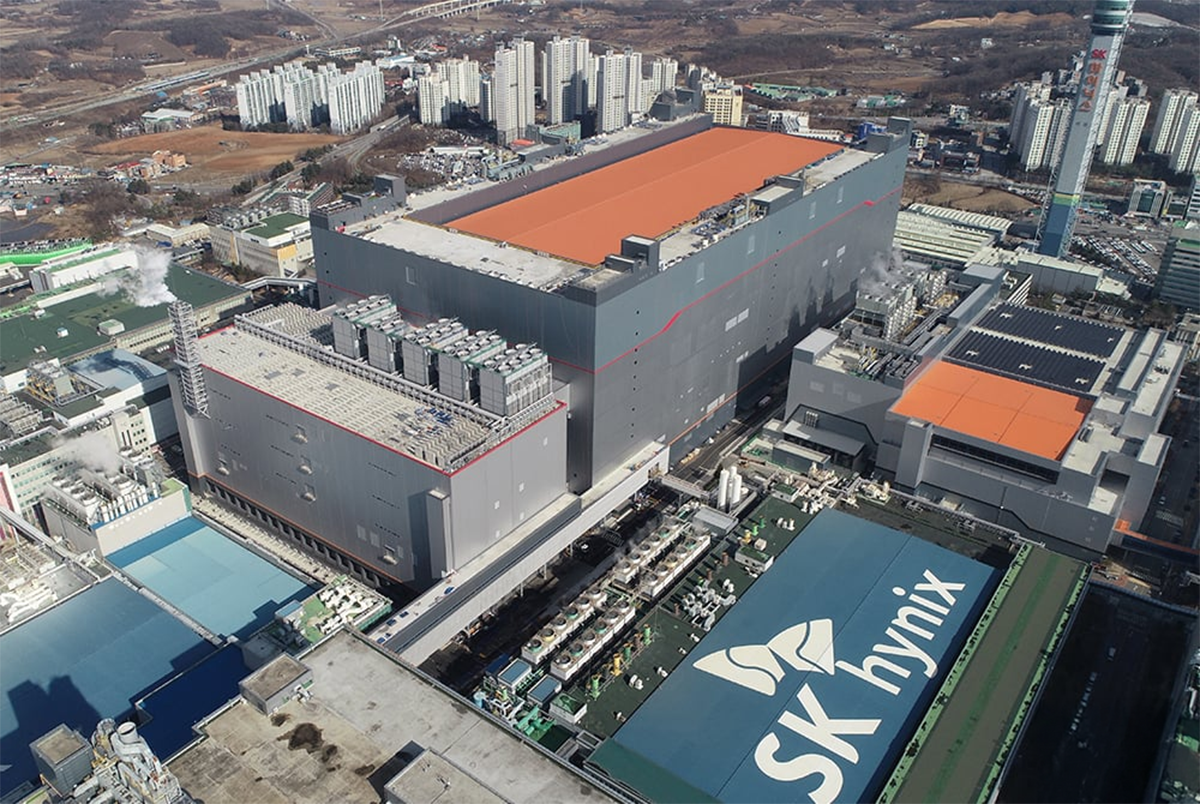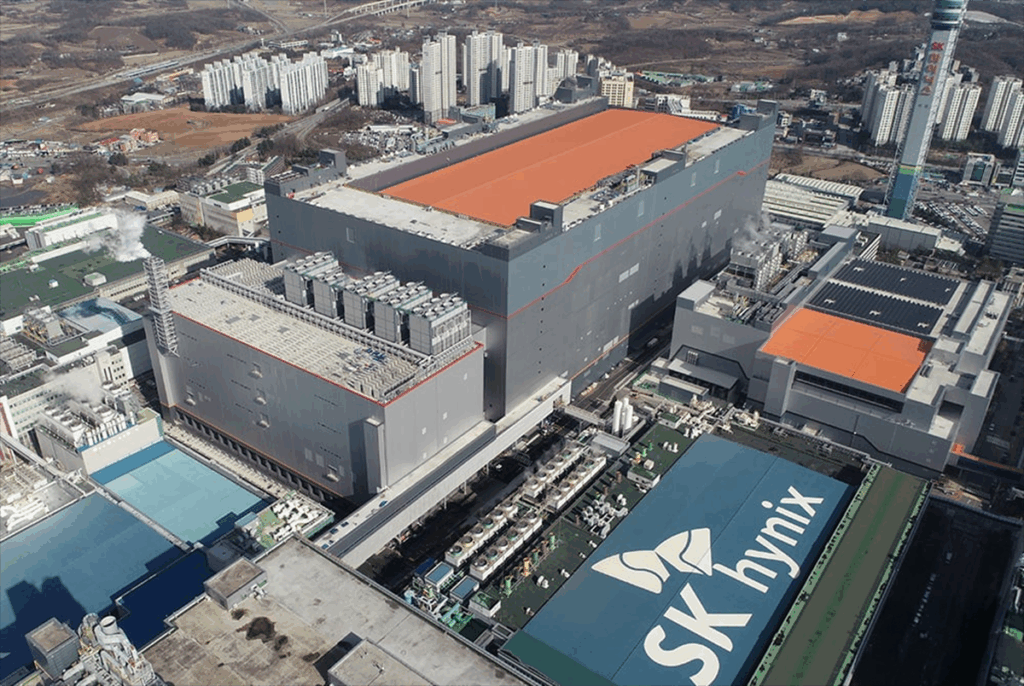
SK hynix is preparing to change how it pays employees at a time when the artificial intelligence boom is producing unusually large profits across the memory chip industry. The South Korean semiconductor company has reached a tentative labor agreement that would raise wages by 6.3% and pay 60% of its profit sharing bonuses in company stock rather than cash.
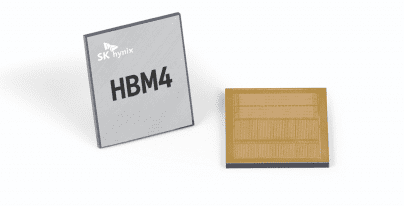
The change matters because SK hynix is one of the world’s biggest suppliers of high bandwidth memory, a critical component used in AI computing systems. As demand for advanced memory rises alongside spending on AI infrastructure, the company’s profit sharing formula is producing increasingly large potential payouts. That is turning what would normally be a domestic labor negotiation into a broader question about how semiconductor companies distribute gains from the AI cycle.
Last year, SK hynix and its union agreed to remove the ceiling on the company’s profit sharing program and set aside 10% of annual operating profit for employee bonuses. The arrangement was designed to remain in place for 10 years. Under the original system, 80% of the bonus was to be paid in the year it was earned and the remaining 20% over the following two years, all in cash.
The latest proposal keeps the basic profit sharing formula but changes the form of payment. Employees would receive 40% of their bonus in cash and 60% in SK hynix shares. Of the stock portion, 40% would be distributed immediately, while the remaining 20% would be paid over the following two years in equal installments.
Employees would be able to sell the shares as soon as they receive them.
The shift comes as the potential size of the bonuses has expanded sharply. South Korean securities firms estimate that SK hynix could post about $180 billion in operating profit this year. If that forecast is realized, the pool available for profit sharing would reach about $18 billion.
A simple calculation based on the company’s roughly 35,000 employees would put the average bonus at about $500,000 per worker. Under the proposed structure, that would translate into roughly $200,000 in cash and $300,000 in SK hynix shares, although actual payments would vary depending on the company’s compensation rules.
The proposed agreement also addresses what happens when the chip cycle moves in the opposite direction. If SK hynix records a loss, the company would be allowed to defer up to 3% of wages. The delayed amount would be paid in full once business conditions recover.
Samsung Electronics, South Korea’s largest technology company and another major semiconductor producer, has already moved in a similar direction. Earlier this year, Samsung and its labor union agreed to introduce a special performance bonus for employees in its semiconductor division and pay the entire amount in company shares.
Under Samsung’s plan, one third of the shares can be sold immediately, while another third is restricted for one year and the final third for two years. SK hynix’s proposal is less restrictive because employees would be allowed to sell shares once each portion is distributed.
The comparison with Samsung is important because it suggests that stock based performance pay is becoming a broader feature of South Korea’s semiconductor industry rather than an isolated experiment at one company.
The SK hynix proposal still requires approval from more than half of the union delegates before it becomes final. That vote may not be straightforward. The payment method is being changed only a year after the previous agreement, and some employees are expected to resist receiving a large portion of their compensation in a volatile asset instead of cash.
That tension is becoming part of the AI boom itself. The same surge in chip demand that is producing extraordinary profits is also forcing companies and workers to decide how those gains should be shared, and how much of employee compensation should rise and fall with the value of the company that generated them.