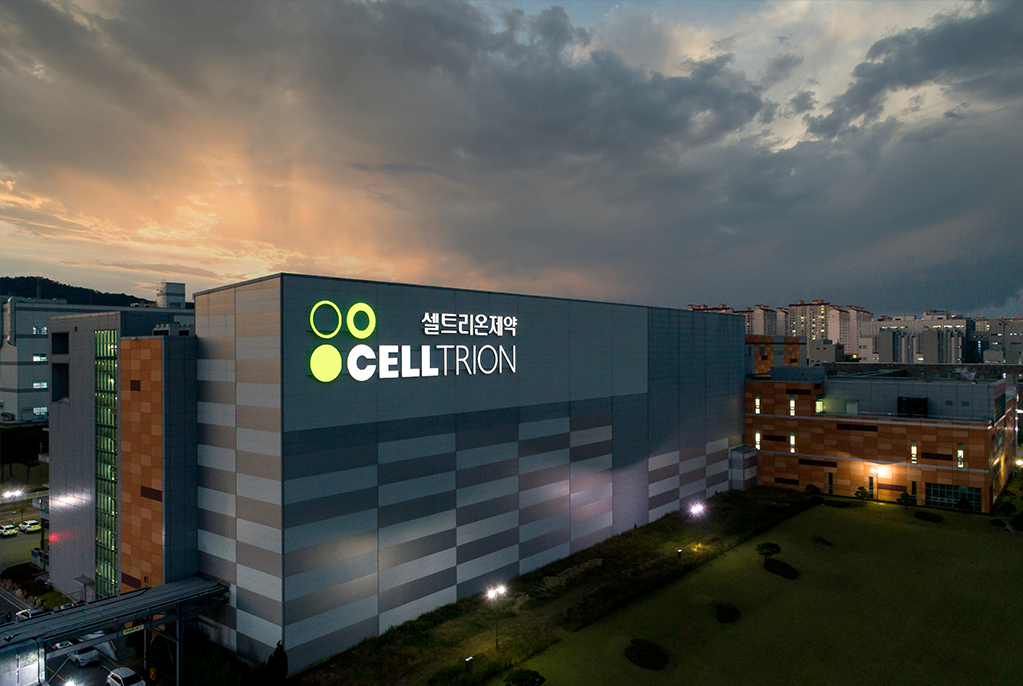
The U.S. market for antibody-drug conjugates is drawing increasing attention from drugmakers and investors as pharmaceutical companies seek more targeted cancer therapies, and Celltrion is expanding its presence in the field with a pipeline of candidates aimed at tumors that remain difficult to treat.
Celltrion said its CT-P73, an ADC designed to target tissue factor, has received Fast Track designation from the U.S. Food and Drug Administration for recurrent or metastatic cervical cancer in patients previously treated with platinum-based chemotherapy.
For U.S. drugmakers and investors, the designation is notable less as an approval milestone than as a potential accelerator for a drug-development program. FDA Fast Track status can facilitate closer communication between a developer and the agency and help resolve development and regulatory issues earlier in the process.
ADC drugs combine the targeting ability of an antibody with a cancer-killing drug, using a linker to deliver the payload to cells carrying a specific antigen. The technology has become a major focus of oncology research as drugmakers look for ways to improve the effectiveness of chemotherapy while limiting exposure to healthy tissue.
CT-P73 targets tissue factor, a protein that is overexpressed in several solid tumors, including cervical cancer. Celltrion said preclinical studies showed antitumor activity and safety comparable to or better than existing treatments.
The Fast Track designation applies to recurrent or metastatic cervical cancer following platinum-based chemotherapy, a patient population with limited treatment options.
Celltrion has received FDA Fast Track designation for three ADC candidates. The company expects to partially complete Phase 1 trials for two of them by the end of 2026 and plans to report top-line data after the first half of 2027.
The development strategy reflects a broader effort by pharmaceutical companies to balance the cost and risk of advancing oncology drugs with the potential value of partnering. Celltrion said it intends to take candidates with the strongest commercial potential through global commercialization itself, while considering licensing deals for other programs to generate technology-transfer fees and other payments.
The company also plans to seek FDA Fast Track designation by the end of 2026 for CT-P72, a multispecific antibody-based drug candidate.
Celltrion said the Fast Track designations will allow it to refine development and regulatory strategies for its ADC programs more efficiently. The company plans to evaluate clinical data and commercial potential as the programs advance before deciding whether to commercialize them directly or license them to other drugmakers.