The artificial-intelligence boom is reshaping executive compensation across South Korea’s biggest corporate groups, with stock awards accounting for more than a third of pay received by the country’s highest-paid executives in the first half of 2026. For U.S. companies and investors tracking the global AI investment cycle, the shift offers another sign that rising semiconductor and power-industry profits are increasingly flowing into equity-linked incentives for corporate leaders.
In data released Aug. 19, CEO Score, a corporate-data research firm, found that 661 executives at major South Korean conglomerates received at least 500 million won, or about $370,000, during the first six months of the year. Their combined compensation, excluding severance pay, totaled about $7.5 billion, of which roughly $273 million, or 36.4%, came from stock-based compensation.
Only 145 executives, or 21.9% of those surveyed, received stock-based awards.
The concentration of equity compensation was striking. SK and Doosan accounted for about 63.5% of the total stock-based payouts, with SK executives receiving about $114 million and Doosan executives about $60 million.
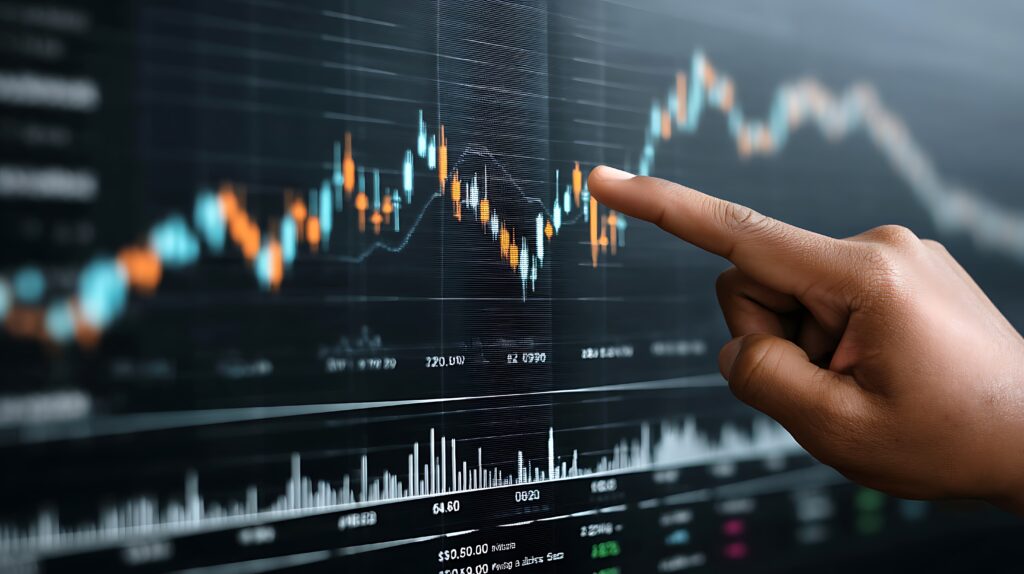
The heavy use of stock awards reflects strong earnings and share-price gains in businesses benefiting from the AI investment boom, particularly semiconductors and power generation, CEO Score said.
The compensation figures include restricted stock units, performance stock units, stock options and stock-appreciation rights. Because Korean companies use different disclosure practices, some equity-linked awards are reported under categories such as bonuses rather than as a separate stock-compensation line.
Professional managers received most of the equity awards. Only nine members of controlling families received stock-based compensation, accounting for 6.2% of recipients and about $49 million, or 18%, of total stock-based payouts.
Professional executives accounted for the remaining 82%, receiving about $224 million.
Doosan Group Chairman Park Jeong-won received the largest stock-based award among controlling-family members, at about $28 million. Equity compensation represented 82.5% of his total compensation of about $34 million.
The five professional managers receiving the largest stock-based awards were all affiliated with SK. SK hynix President Kwak Noh-jung received about $16 million, followed by SK Square Chief Investment Officer Song Jae-seung at about $13 million. SK Telecom President Jung Jae-heon received about $12 million, while former SK hynix executive adviser Park Jung-ho received about $11.8 million and SK hynix executive Choi Jun-ki received about $9.2 million.
The growing use of equity-linked pay underscores how the AI-driven investment cycle is changing incentives beyond the technology companies building AI systems. As demand for advanced chips and electricity-intensive infrastructure accelerates, companies across the semiconductor and power sectors are increasingly tying executive rewards to market performance and long-term shareholder value.