Young South Koreans who once feared being permanently priced out of the housing market are confronting a familiar anxiety in 2026. This time, the fear of falling behind has moved to stocks.
South Korea’s stock market surged this year, led by semiconductor and artificial intelligence related shares. As prices climbed, individual investors rushed into the market amid growing fear that waiting on the sidelines could mean missing another major rise in asset values.
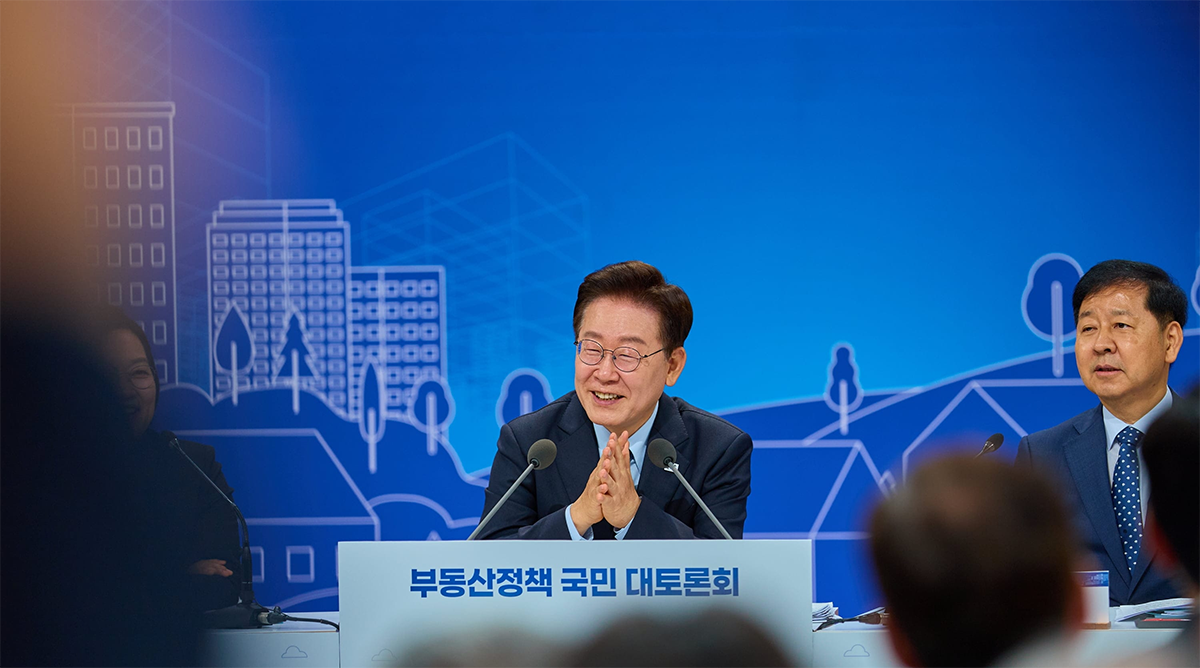
Recent volatility has changed the mood. On Korean investment forums, people in their 20s and 30s are now joking bitterly that they endured “real estate dishwashing” during the administration of former South Korean President Moon Jae in and are facing “stock dishwashing” under President Lee Jae myung.
The Korean slang term “dishwashing” is not an official financial expression. Investors use it to describe a situation in which people who bought an asset earlier sell at a profit, leaving those who entered later to absorb the losses when prices fall.
The expression became widely used during South Korea’s housing boom in 2021.
At the time, rapidly rising home prices created intense pressure on younger Koreans who had not yet bought property. Many feared that if they waited any longer, housing would become even more expensive and homeownership could move permanently beyond their reach.
That fear helped popularize another Korean expression, “youngkkeul,” which describes pulling together virtually every available financial resource, including borrowed money, to make an investment.
For many young buyers, the decision to enter the housing market was therefore not simply a bet that prices would keep rising. It was also driven by the fear that staying out while housing prices surged could leave them further behind people who already owned property.
When market conditions later changed, some younger buyers who had entered after much of the price increase began describing themselves as victims of “real estate dishwashing.” In their view, existing homeowners had been able to sell at high prices while late buyers were left carrying the financial burden.
The expression has now returned in a different market.
South Korean stocks rose sharply earlier this year as semiconductor and AI related shares powered the rally. Individual investors who had remained outside the market increasingly faced the opposite risk of missing gains while others benefited from rising stock prices.
FOMO, or fear of missing out, became a common description of the mood.
The asset was different from the housing boom several years earlier, but the pressure felt familiar. During the property surge, young Koreans worried that waiting could make buying a home increasingly difficult. During the latest stock rally, some worried that staying out of the market could mean missing a rare opportunity to benefit from rapidly rising asset prices.
Stocks also allow investors to enter with far less money than is required to purchase a home, making the market accessible to younger people who may not have the capital needed for real estate.
As the stock market began experiencing sharp swings after its rapid rise, however, the language used by retail investors changed again.
On Aug. 4, a post on a Korean online community carried the title saying people in their 20s and 30s had suffered both real estate and stock market “dishwashing.” The post included a television news image about young people who had borrowed money to invest in stocks and suffered losses.
Other online investment communities carried similar comments. Some users said investors who entered because of FOMO had ended up bearing the losses, while others complained that those who joined the market last were once again the ones trapped after prices turned volatile.
The references to Moon Jae in and Lee Jae myung have also become part of that online frustration. The comparison links two periods in which younger investors felt pressure to enter rapidly rising asset markets. It does not by itself establish that either administration caused individual investment losses.
The language surrounding South Korea’s younger investors has shifted with each stage of the asset cycle.
During the housing boom of 2020 and 2021, “youngkkeul” represented the determination of people willing to stretch their finances to buy property before prices climbed further.
During this year’s stock rally, FOMO captured the fear of being left outside a rapidly rising market.
As stocks became more volatile, JOMO, or the joy of missing out, began appearing among investors who were relieved that they had not joined the rally.
Now “dishwashing” has returned as investors who entered late question whether they once again became the final buyers in an overheated market.
Research suggests that the behavior reflected in those expressions is connected to broader patterns in South Korea’s stock market.
A study by researchers at Sungkyunkwan University in South Korea and the University of Virginia, published in Applied Economics last year, analyzed 30 years of Korean stock market data and found that herd behavior became stronger as individual investor participation increased.
The researchers also found that during market declines, FOMO and risk aversion could combine to strengthen longer lasting herd behavior. Psychological biases among individual investors could in turn contribute to greater market volatility.
The study also found that greater exposure to alerts about rapid price increases and other information emphasizing market gains could raise FOMO and influence actual investment decisions.
For younger South Koreans, the recent complaints show how quickly the object of financial anxiety can change.
Several years ago, the fear centered on housing as prices climbed beyond the reach of people who had not yet bought homes. In 2026, a powerful stock rally created a new concern that remaining outside the equity market could mean being left behind again.
The market changed from apartments to stocks, but the fear that drove many late buyers into both remained much the same.