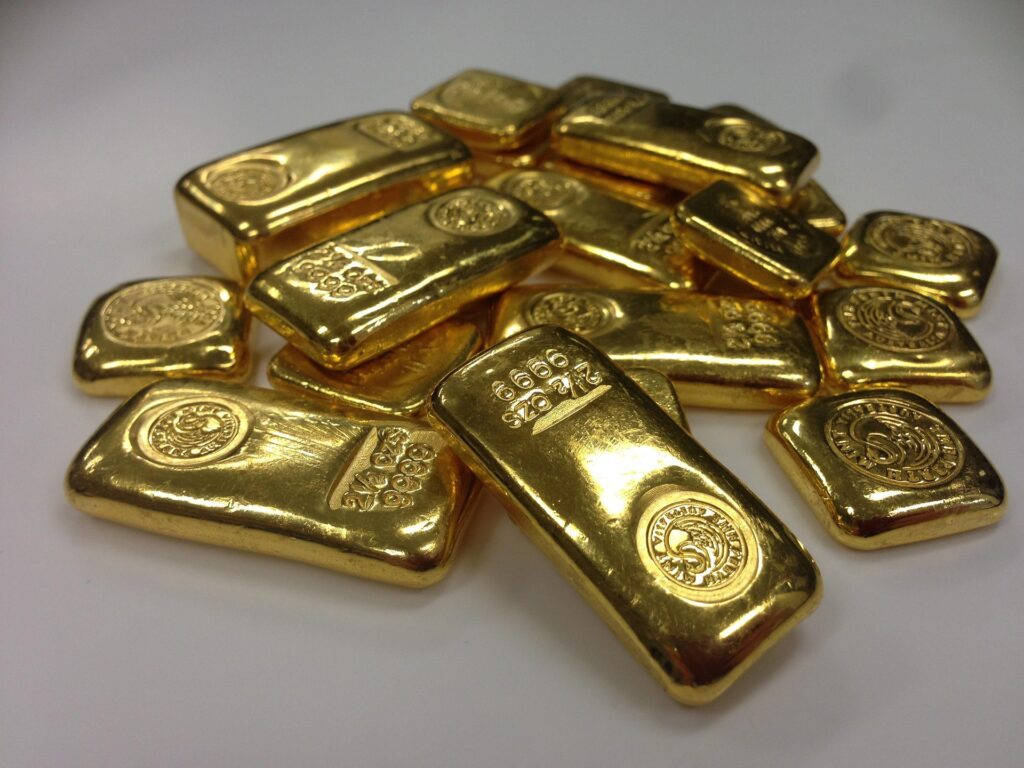
South Korea is preparing to buy physical gold for the first time in 13 years, a shift that highlights how one of Asia’s largest holders of foreign exchange reserves is reconsidering the balance of assets it relies on during periods of geopolitical and financial uncertainty.
The Bank of Korea said it has established a system to purchase gold produced by South Korean smelters before the metal is exported. The plan would allow the central bank to pay in Korean won, store newly acquired bullion inside the country and reduce some of the currency exposure involved in buying gold overseas with U.S. dollars.
The move does not signal that South Korea is abandoning the dollar. The country remains heavily dependent on dollar denominated assets to manage its currency and support an export driven economy closely tied to global trade. Instead, the plan represents a limited effort to diversify reserves that remain unusually light on gold compared with those of other major economies.
South Korea has the world’s 13th largest foreign exchange reserves, but gold accounts for just 3.5 percent of the total. The Bank of Korea held 104.4 metric tons as of July, ranking 39th among central banks when the International Monetary Fund and the European Central Bank are excluded. Its last purchase came in 2013, when it acquired 20 tons.
By comparison, gold makes up 9.5 percent of Japan’s reserves and more than 80 percent of reserves held by the United States, Germany and France. Those comparisons do not mean South Korea intends to raise its gold holdings to similar levels. The Bank of Korea has not decided when purchases will begin or how much it will buy.
The central bank’s new approach relies on South Korea’s own metals industry. LS MnM, a major domestic copper smelter, and Korea Zinc, one of the world’s largest zinc and lead producers, recover gold as a byproduct while processing nonferrous metals. Some of that gold is normally sold abroad.
Under the proposed system, the Bank of Korea could purchase portions of those export bound supplies at international market prices when producers offer them for sale. The Korea Exchange, which operates South Korea’s main financial and commodities markets, would provide trading and settlement infrastructure. The Korea Securities Depository, the country’s central securities custody and settlement institution, is preparing facilities to store the gold.
The purchases would take place through large private transactions rather than on the public market, limiting the risk of distorting domestic gold prices.
For the Bank of Korea, buying locally produced bullion offers practical advantages. Previous purchases required the central bank to use dollars in overseas markets, while the new arrangement would permit payment in won and keep the metal inside South Korea. The country’s existing gold holdings have largely been stored in the Bank of England’s vaults in London.
The central bank has also begun buying U.S. exchange traded funds backed by gold. Those investments started in the second quarter, although they are recorded as securities rather than gold in South Korea’s official reserve data.
The decision comes as central banks are paying greater attention to assets that can retain value during wars, trade disputes and financial market instability. The Bank of Korea said heightened geopolitical risks had increased interest in safe haven assets and that a recent decline in gold prices had reduced the cost of restarting purchases.
South Korea’s plan remains preliminary, and the size of any future buying may be modest. Its significance lies less in the amount of gold involved than in the method. By sourcing bullion from domestic industry, paying in its own currency and storing the metal at home, the Bank of Korea is adding another layer to a reserve system that has long depended heavily on foreign currencies and overseas financial markets.