South Korea approved the merger of its two high-speed rail operators on August 2, clearing the way for a unified KTX network that will cut fares, expand seating capacity and increase train frequencies beginning in September.
The Korea Fair Trade Commission (KFTC) said it approved Korea Railroad Corp.’s acquisition of SR Corp., concluding that the transaction is unlikely to substantially lessen competition despite combining the country’s only two high-speed rail operators.
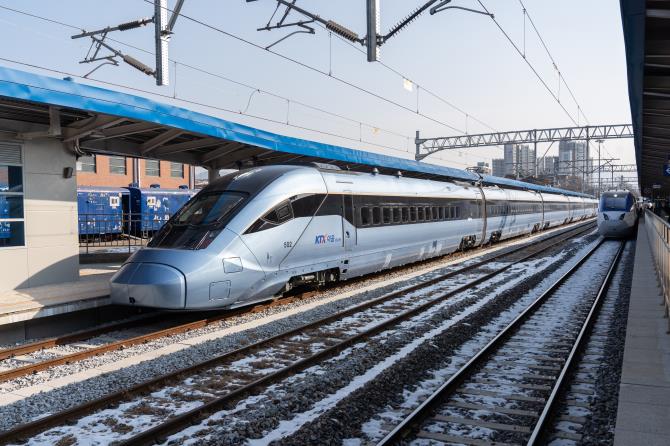
The merger will bring all high-speed rail services under the KTX brand, ending more than a decade of parallel operations by the two state-owned companies.
Although both Korail and SR are government-controlled enterprises and their combination would ordinarily qualify for an expedited review under South Korea’s competition law, regulators conducted a full investigation because of the railway system’s strategic importance and its broad impact on consumers and the economy.
As a condition of the integration, the Ministry of Land, Infrastructure and Transport and the two rail operators agreed to a three-year business plan aimed at improving passenger benefits.
Under the plan, fares on existing KTX routes will be reduced by about 10%, matching the lower prices currently charged by SRT. The unified fare policy will remain in place for three years following the merger.
The operators also pledged to expand capacity. Weekday seating will increase by at least 15,000 seats a day, while weekend capacity will rise by more than 17,000 seats daily, representing an overall increase of about 6%.
Daily train service will also expand. Weekday operations will increase by 23 trains to an average of 402 departures, while weekend service will rise by 26 trains to 457 departures.
Much of the additional capacity will come from operating coupled trainsets, allowing two high-speed train units to run as a single service and carry more passengers.
Passengers will also receive loyalty points equal to 5% of their ticket purchases under Korail’s rewards program, replacing SRT’s more limited benefits. Discount programs, commuter passes and other customer services will also be integrated.
The KFTC and the transport ministry signed a separate agreement to monitor the implementation of the three-year plan and oversee consumer protection after the merger.
The deal marks the first time South Korea’s antitrust regulator has conducted a full review of a merger between two state-owned enterprises.
The transport ministry said it expects to complete the remaining regulatory approvals before finalizing the integration in September.
Some analysts have questioned whether lower fares could place additional financial pressure on Korail, which has reported operating losses in recent years.
Government officials acknowledged that the fare reductions could weigh on earnings in the near term but said the company’s debt would remain manageable.
They added that expanded services and infrastructure projects, including additional tracks on the Pyeongtaek-Osong corridor, are expected to increase capacity and support long-term revenue growth.