South Korea’s top antitrust regulator strongly defended the government’s ongoing investigation into e-commerce giant Coupang Inc., asserting that local competition laws are enforced uniformly without regard to corporate nationality, while simultaneously apologizing for past political comments that threw his neutrality into question.
Fair Trade Commission (FTC) Chairman Joo Byung-ki pushed back against complaints from Washington during a National Assembly hearing on July 28. U.S. officials and trade groups have previously characterized the regulatory scrutiny on Coupang as a discriminatory assault targeting an American-owned enterprise.
Coupang, though operating primarily in South Korea, is consolidated under a Delaware-based parent company listed on the New York Stock Exchange.
“The FTC applies the exact same standards to all major platform operators, including Coupang, Baemin, and Naver, and we will continue to do so,” Mr. Joo told lawmakers.
He clarified that the antitrust probe is entirely separate from a highly publicized personal data breach that struck the e-commerce company late last year, noting that the agency’s investigation had been initiated well before that incident.
The South Korean government, Mr. Joo added, is currently coordinating its official response to the U.S. criticisms through the Ministry of Foreign Affairs, which has maintained that Seoul does not unfairly target foreign capital.
The legislative hearing quickly turned combative as opposition lawmakers grilled Mr. Joo over personal social media posts that threatened to undermine his agency’s reputation for impartial enforcement.
Following local elections in June, Mr. Joo posted comments on Facebook questioning voter support for the conservative People Power Party in Seoul’s affluent Gangnam districts—a traditional conservative stronghold. The remarks drew fierce backlash from politicians who argued the antitrust chief had violated strict political neutrality mandates imposed on public officials.
Under questioning from People Power Party lawmaker Shin Dong-wook, Mr. Joo issued a public apology. “I sincerely regret causing concern among the public,” Mr. Joo said, explaining that the comments were intended as a private exchange on a friend’s post and that he had not anticipated the ensuing political firestorm.
Beyond the Coupang dispute, the regulatory chief detailed a sweeping antitrust agenda that signals a tightening grip on the country’s dominant digital platforms and consumer sectors.
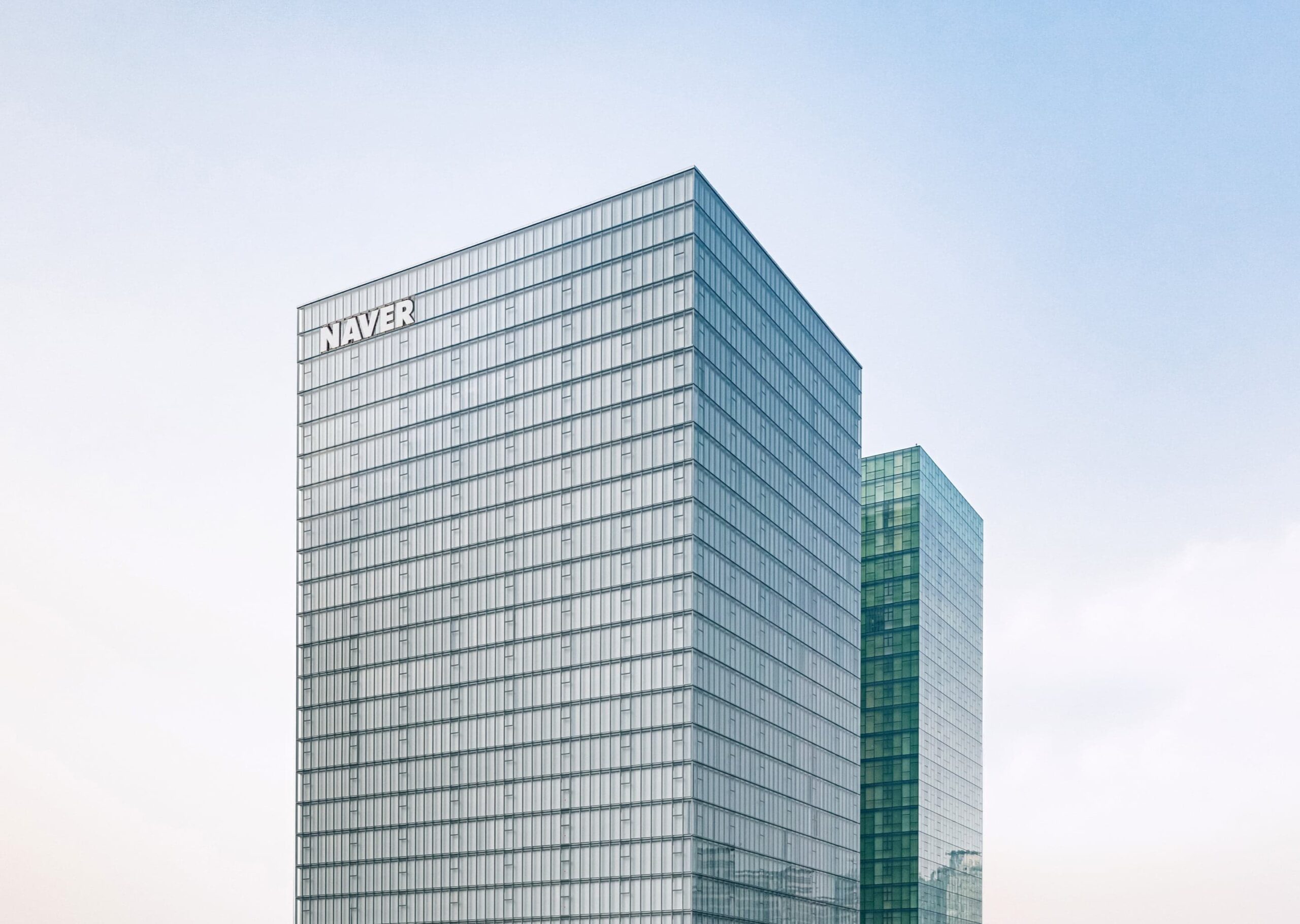
Mr. Joo confirmed that the FTC has requested materials 13 times from internet giant Naver Corp. regarding its proposed merger with Dunamu Inc., the operator of South Korea’s largest cryptocurrency exchange.
The agency expects to conclude consultations with interested parties by the end of August, aiming to finalize the antitrust review by the end of the year.
The chairman also doubled down on the FTC’s hardline stance against delivery giant Woowa Brothers—the operator of the Baemin food delivery app—and Coupang over allegations that they coerced suppliers into granting them preferential treatment.
The FTC recently rejected voluntary corrective action proposals from both companies, a mechanism often used to settle antitrust disputes out of court.
“The infractions were simply too severe to resolve without formally establishing whether legal violations occurred,” Mr. Joo said, emphasizing the need to set a firm legal precedent against the abuse of market dominance.
Additionally, the FTC is moving toward structural reforms to close perceived regulatory loopholes. Mr. Joo signaled that the government plans to revise an enforcement decree that determines how corporate “owners” are legally designated.
Current fair-trade rules allow a corporation, rather than an individual founder, to be designated as the controlling entity under specific corporate structures. Critics argue this allows powerful founders—including Coupang’s billionaire chief executive, Bom Kim—to evade certain personal liabilities.
“The system is prone to exploitation, and verifying the background involvement of related parties remains exceedingly difficult,” Mr. Joo said. “The enforcement decree needs to be revised.”