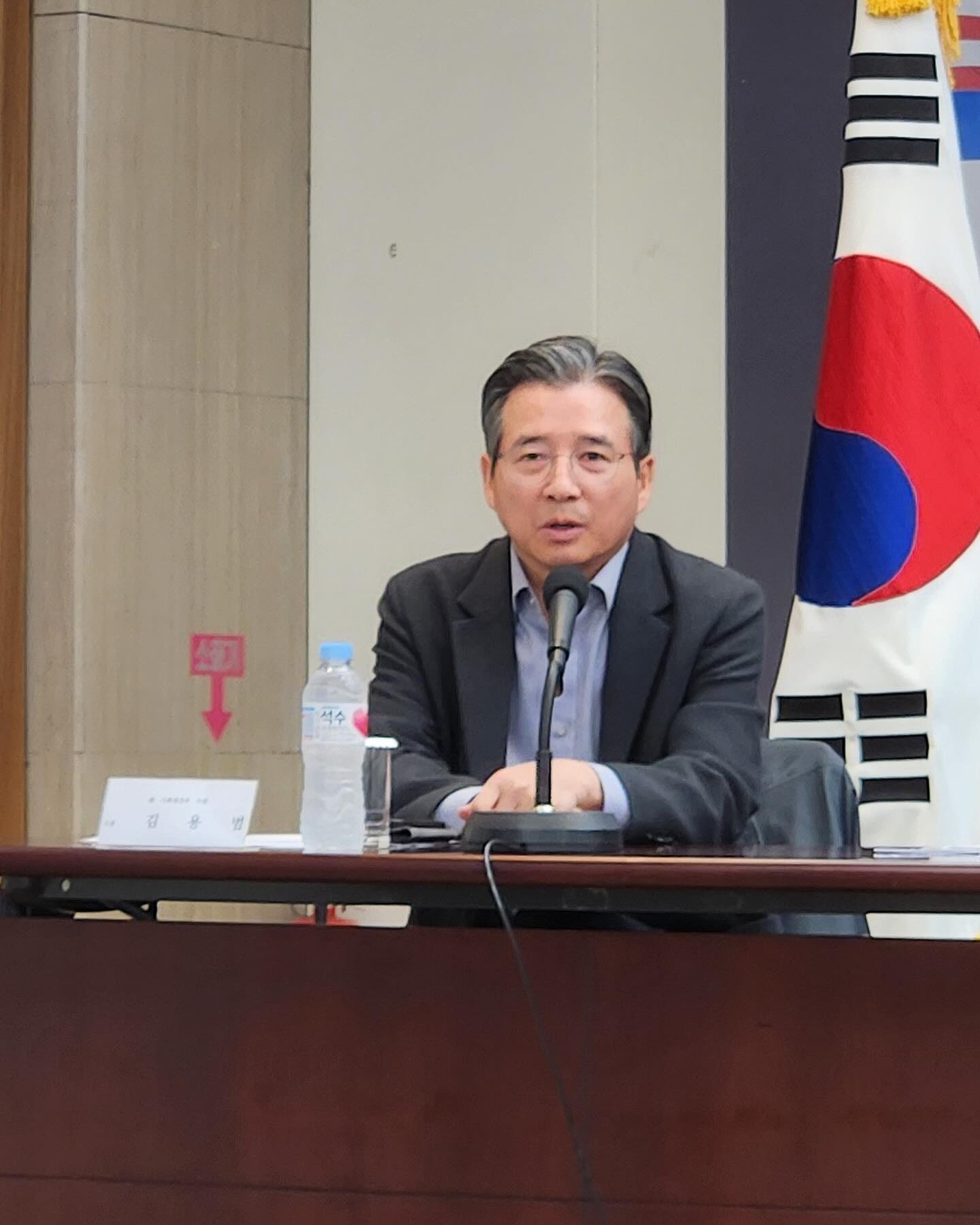

In South Korea, housing is far more than a consumer issue. Apartments account for a large share of household wealth, particularly in and around Seoul, where the country’s population, highest-paying jobs, financial institutions and technology companies are concentrated. Home prices have therefore become closely tied to consumer confidence, household debt and economic growth, making the housing market one of the country’s most politically sensitive issues. That is why South Korean President Lee Jae Myung has placed housing affordability and market stability at the center of his economic agenda.
Since taking office, Lee’s government has tightened mortgage lending rules and introduced additional measures designed to slow speculative buying after home prices resumed climbing in Seoul. The strategy aims to cool demand without triggering a sharp decline that could weaken household balance sheets and the broader economy, where real estate remains one of the largest stores of personal wealth.
The latest consumer survey suggests that goal remains difficult to achieve.
The Bank of Korea, South Korea’s central bank, said its Housing Price Expectations Index climbed to 127 in July, up seven points from the previous month and the highest reading since September 2021. A reading above 100 indicates that more consumers expect home prices to rise over the next year than expect them to fall.
For South Korean President Lee Jae Myung’s administration, the findings underscore a growing challenge. Even after stricter lending restrictions, many households still believe housing prices will continue rising. Those expectations can encourage buyers to enter the market before prices climb further, making it more difficult for government policies to slow demand.
The pressure is especially evident in the Seoul metropolitan area, which is home to roughly half of South Korea’s population and serves as the country’s economic center. The region contains many of South Korea’s largest employers, financial institutions and research hubs, leaving demand for housing consistently stronger than in most other parts of the country.
Data from KB Real Estate, one of South Korea’s largest real estate information providers, showed apartment prices in Seoul rose 1.1% in July from the previous month, while neighboring Gyeonggi Province posted a 0.9% increase.
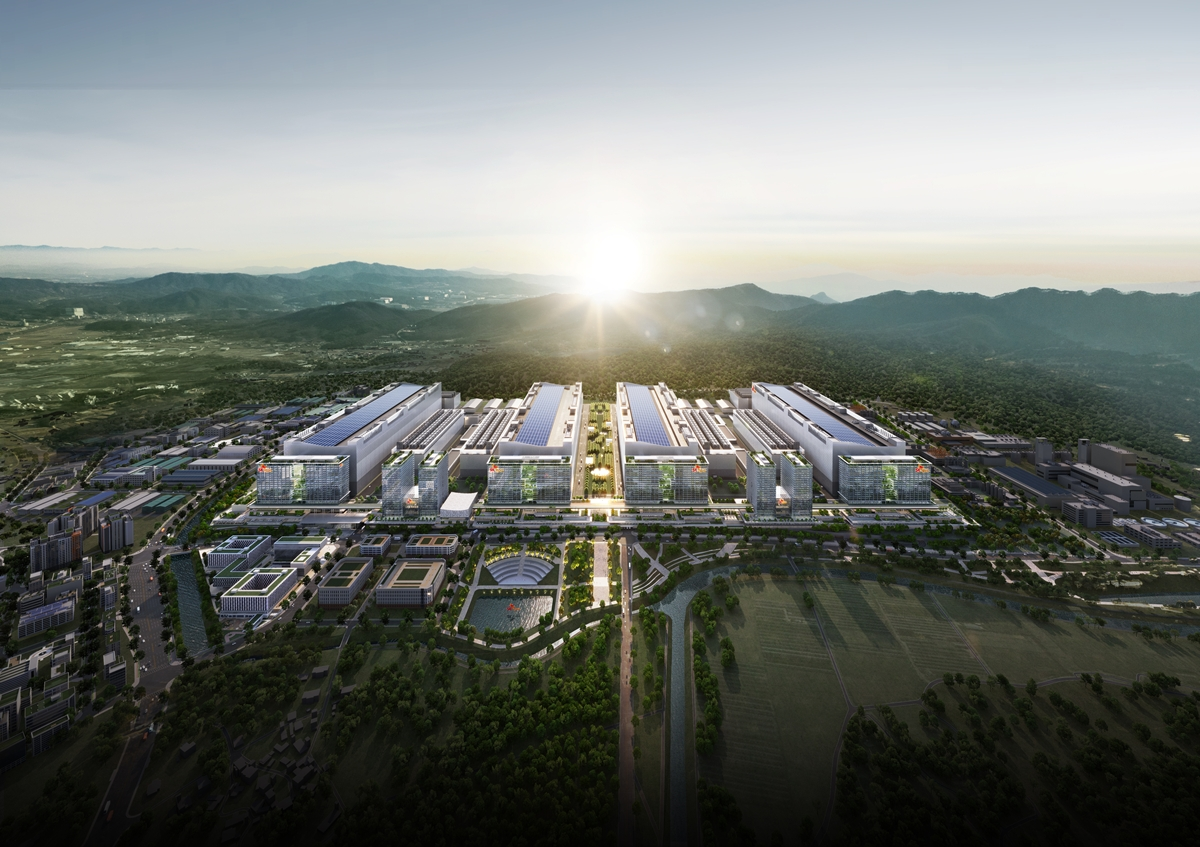
One of the fastest-growing areas was Dongtan, a planned city south of Seoul that has expanded alongside South Korea’s semiconductor industry. The city is located near major chip production facilities and suppliers, including operations linked to Samsung Electronics, one of the world’s largest memory chip, smartphone and consumer electronics manufacturers. Apartment prices there rose 6.3% in July, reflecting continued demand in areas benefiting from high-paying technology jobs.
The survey also showed overall consumer confidence improved for a third consecutive month as semiconductor exports and business investment continued supporting economic activity. At the same time, households remained less optimistic about their current financial conditions, reflecting pressure from elevated living costs and weaker stock prices.
Expected inflation over the next year eased slightly to 2.7% but remained above the Bank of Korea’s 2% target. The central bank continues to balance the need to support economic growth with the risk that lower interest rates could fuel additional borrowing and another surge in housing demand.
The latest survey highlights the dilemma facing Lee’s government. Because housing plays such a central role in household wealth and the wider economy, policymakers must slow price growth without causing a broader economic slowdown. As long as consumers remain convinced that home prices will continue rising, changing expectations may prove just as difficult as changing the market itself.