South Korea’s experiment with single-stock leveraged exchange-traded funds has moved from a market innovation to a political problem. After weeks of sharp swings tied to products tracking the country’s biggest chipmakers, lawmakers are no longer debating only how to regulate them. They are questioning whether the products should be allowed to use the term “ETF” at all.
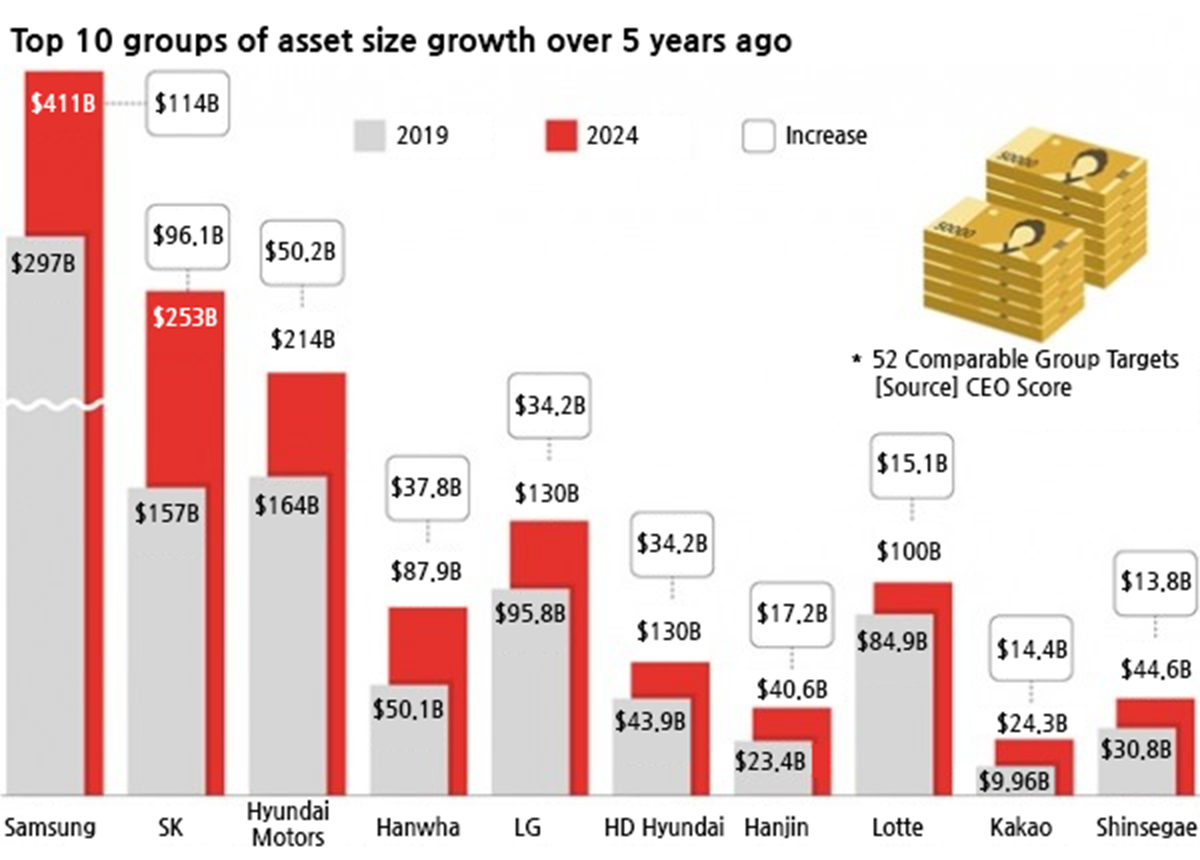
The controversy began after South Korea approved single-stock leveraged ETFs in May, allowing investors to buy products designed to deliver twice the daily return of an individual company rather than a diversified basket of stocks. Retail investors quickly poured into funds linked to Samsung Electronics, South Korea’s largest technology company and the world’s biggest memory-chip maker, and SK Hynix, one of the world’s largest memory-chip manufacturers, as enthusiasm surrounding artificial intelligence drove both companies’ shares sharply higher.
The same structure that magnified gains also amplified losses when the rally reversed. Because leveraged funds must rebalance their positions every trading day, regulators and politicians argued that the products were adding to volatility in South Korea’s stock market, prompting financial authorities to suspend new listings, ban marketing of new products and tighten trading requirements instead of removing existing funds from the market.
Now the debate has shifted again. At a meeting with securities firms and asset managers, the ruling Democratic Party argued that products built around leveraged bets on a single company should not be marketed as exchange-traded funds because the term ETF is widely associated with diversified investing. Party officials said they are not currently considering reducing the leverage ratio itself, saying other investor-protection measures could achieve the same goal without disrupting existing products.
Instead, lawmakers are discussing stronger risk disclosures, higher entry requirements for retail investors and even changing the name of the products to better reflect their speculative nature. They also warned against rushing to delist the funds, saying doing so could undermine confidence in South Korea’s capital markets. Some lawmakers suggested raising the minimum deposit requirement beyond the 30 million won threshold already introduced by financial regulators if current safeguards prove insufficient.
The discussion reflects a broader shift in South Korea’s response to the market turbulence. Initial efforts focused on slowing speculative trading through tighter regulations. The latest proposal instead targets how the products are presented to investors, arguing that a leveraged derivative tied to a single stock should be clearly distinguished from investment funds traditionally associated with broad diversification.
The debate also highlights a different regulatory philosophy. Rather than banning single-stock leveraged products outright, South Korean policymakers are increasingly focused on whether the ETF label itself accurately describes a product whose value depends entirely on amplified daily bets on one company.