Samsung Electronics is betting that the future of technology launches will be won not only through engineering, but through emotion.
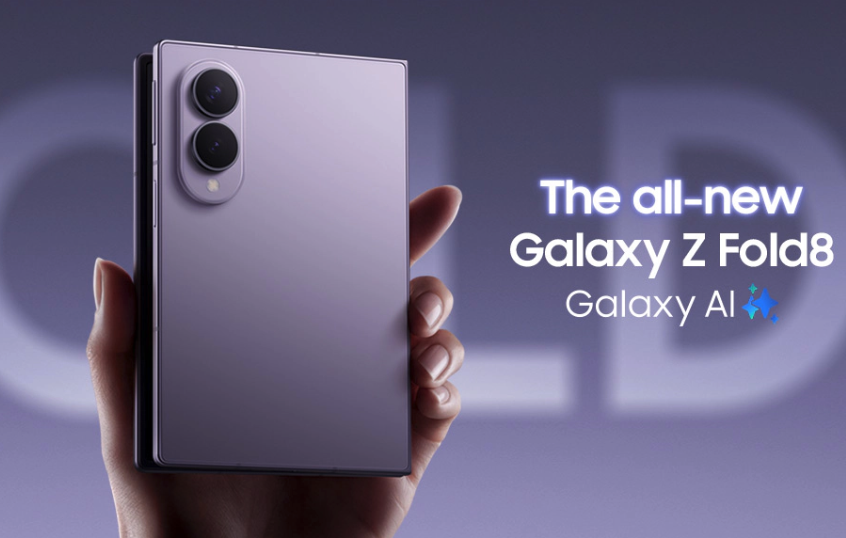
At its Galaxy Unpacked 2026 event in London, the South Korean technology giant partnered with Tony Award-winning playwright and lyricist Park Chun-hue, marking an unusual collaboration between one of the world’s largest electronics companies and one of Korea’s most celebrated theater creators. The move signals Samsung’s belief that as artificial intelligence becomes more sophisticated, explaining technology may require storytelling as much as technical expertise.
For decades, technology keynotes have followed a familiar script.
Executives unveil faster processors, sharper displays and more powerful cameras before demonstrating software features on giant screens. Apple perfected the minimalist keynote. Google transformed product launches into showcases for artificial intelligence. Samsung itself traditionally relied on hardware specifications and engineering achievements to differentiate its Galaxy devices.
Artificial intelligence is changing that formula.
Unlike thinner smartphones or higher-resolution cameras, many AI capabilities are invisible. Their value lies less in hardware than in how they reshape everyday experiences—from planning schedules and translating conversations to anticipating user needs before commands are spoken.
Those benefits are difficult to communicate through technical demonstrations alone.
Samsung appears to have concluded that consumers no longer need another explanation of processor speeds or benchmark scores. They need to understand how AI fits naturally into their daily lives.
That is where theater enters the picture.
Park Chun-hue, whose musical Maybe Happy Ending earned six Tony Awards, including Best Musical, Best Book of a Musical and Best Original Score, helped shape the creative direction of Galaxy Unpacked. Rather than simply writing presentation dialogue, Park contributed to the event’s narrative structure, stage direction, cinematic sequences and emotional pacing.
The result was a product presentation that resembled a theatrical performance more than a traditional technology keynote.
Instead of presenting devices as isolated pieces of hardware, Samsung framed them as characters within connected human experiences. Foldable smartphones, AI assistants, smartwatches and future wearable devices became parts of a broader narrative about communication, creativity and everyday life.
The strategy reflects a broader transformation occurring across the technology industry.
As smartphones mature and hardware innovation becomes increasingly incremental, differentiation is shifting toward software ecosystems and artificial intelligence. The challenge is no longer convincing consumers that a processor is faster. It is persuading them that AI meaningfully improves the way they live.
Storytelling has become a competitive advantage.
Samsung’s approach also highlights the convergence of two sectors that have fueled South Korea’s global influence.
The country has established itself as a leader in semiconductors, consumer electronics and advanced manufacturing through companies such as Samsung Electronics. At the same time, Korean cultural exports—including K-pop, film, television and theater—have become powerful global brands in their own right.
Galaxy Unpacked brought those strengths together on a single stage.
Rather than treating technology and culture as separate industries, Samsung demonstrated how creative storytelling can reinforce technological innovation. The collaboration suggests that future product launches may increasingly borrow techniques from entertainment, where emotional engagement often matters as much as technical execution.