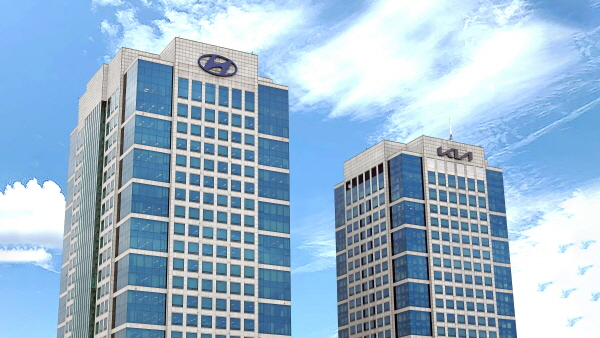
A growing surplus of electric-vehicle battery capacity is shifting bargaining power toward automakers, giving companies such as Ford, General Motors and other global manufacturers more room to diversify suppliers, negotiate costs and choose among competing battery technologies. Hyundai Motor Group is becoming a case study in that shift, expanding beyond its traditional Korean battery partners to include Samsung SDI and China’s CATL.
The change comes as battery makers have expanded production faster than EV demand in some markets, leaving automakers with more sourcing options. For U.S. investors, the trend matters because it could pressure battery makers’ pricing power while giving automakers greater flexibility to manage costs, supply-chain risk and the transition to electric vehicles. Recent market data also show South Korean battery makers losing share to Chinese rivals such as CATL.
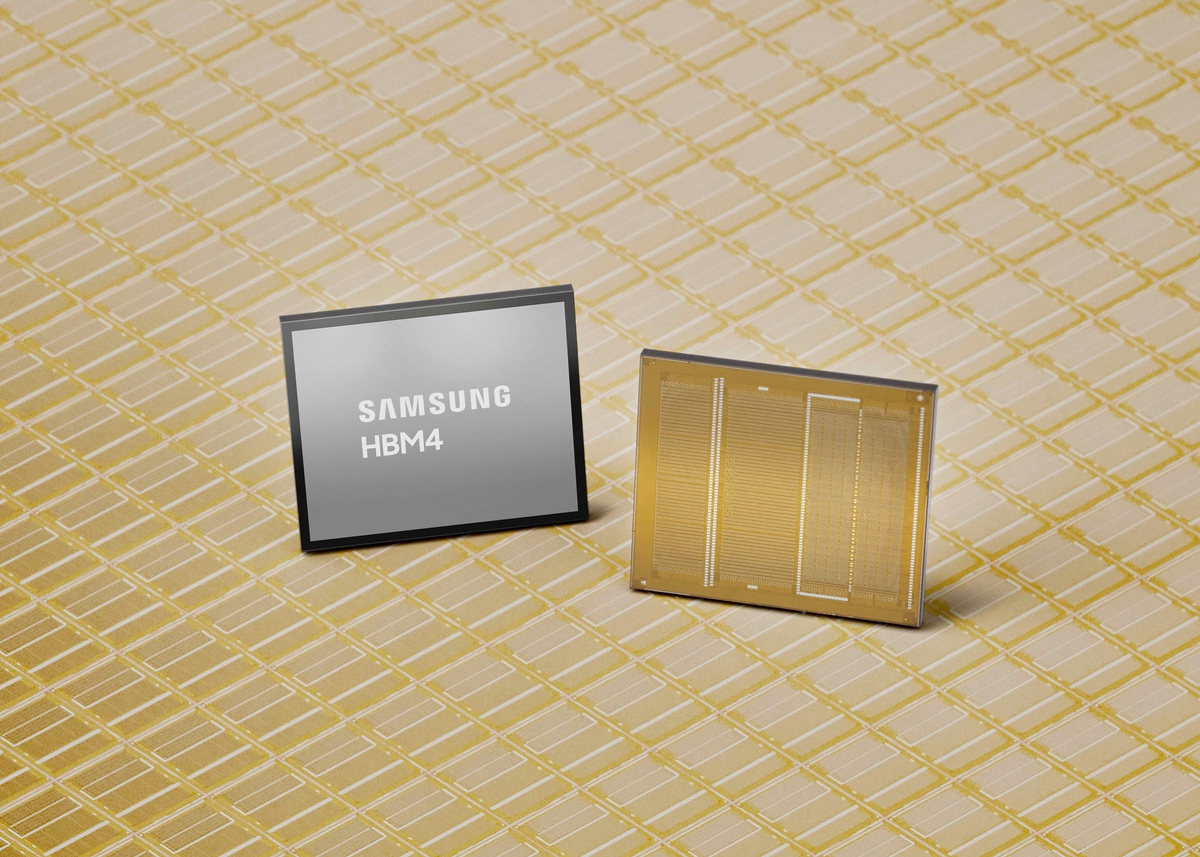
As of August 26, Samsung SDI batteries were being used in three Hyundai Motor Group vehicles, beginning with the Kia EV2 in April and followed by the Hyundai Ioniq 3 and Genesis GV90. Samsung SDI’s addition gives Hyundai access to a fourth major battery supplier alongside LG Energy Solution, SK On and CATL.
The relationship represents a major expansion for Samsung SDI, which signed a battery-supply agreement with Hyundai Motor in 2023. Under the agreement, Samsung SDI is scheduled to supply batteries for Hyundai electric vehicles destined for Europe from 2026 through 2032.
Samsung SDI’s P6 battery also gives Hyundai access to a prismatic-cell design, rather than the pouch-format batteries that LG Energy Solution and SK On have traditionally supplied to the group. The broader supplier base gives Hyundai more flexibility as battery chemistry, cell formats and regional sourcing requirements evolve.
LG Energy Solution remains a major supplier, particularly in North America.
Hyundai Motor Group and LG Energy Solution have been developing a battery joint venture in Georgia with annual capacity of 30 gigawatt-hours. The plant is designed to supply batteries for Hyundai, Kia and Genesis EVs built in the U.S.
Hyundai’s partnership with SK On has also entered mass production in North America this year.
HSBMA, the Hyundai-SK On joint venture, has begun producing battery cells at a plant in Bartow County, Ga., for Hyundai Motor Group Metaplant America. The facility has annual capacity of 35 GWh, enough to supply roughly 300,000 EVs.
Hyundai also uses CATL batteries in selected models. Its vehicle-level disclosures show SK On batteries in the Ioniq 5 and Ioniq 9, LG Energy Solution batteries in the Ioniq 6 and CATL batteries in the Kona Electric.
That mix is becoming strategically important as Chinese battery makers expand their global footprint and South Korean suppliers face weaker growth.
SNE Research data show the competitive pressure facing South Korean battery companies. From January through May, the combined market share of LG Energy Solution, SK On and Samsung SDI in the global EV battery market excluding China was 28.4%, down 8.7 percentage points from a year earlier.
CATL remains the dominant global supplier. Its share of worldwide EV battery usage reached about 40% in the first quarter, while BYD held roughly 14%, according to SNE Research data reported in May.
The pressure is not limited to China. South Korean battery makers have been particularly exposed to weaker EV demand in the U.S., a critical market for their overseas expansion. SNE Research said battery usage by the three Korean suppliers declined in early 2026, with the downturn linked in part to a sharp contraction in U.S. EV sales.
The industry’s capacity buildup has therefore become a double-edged sword. Battery manufacturers invested heavily to prepare for an expected surge in EV demand, but slower-than-expected sales have left more capacity available.
That change is altering the relationship between automakers and battery suppliers.
During the initial EV boom, battery capacity was scarce. Automakers moved quickly to secure long-term supplies and, in some cases, formed joint ventures with battery manufacturers to guarantee production.
Now, with supply becoming less constrained, automakers can compare suppliers on price, technology, production capacity and geographic location.
“In the past, EV demand was surging and batteries were in short supply, so automakers had to establish joint ventures with battery companies to secure stable supplies,” said Lee Ho-geun, a professor of automotive engineering at Daeduk University. “But as EV sales growth has fallen short of battery makers’ expectations, supply has loosened and automakers can now source batteries from a wider range of companies.”
For automakers, diversifying suppliers is becoming an important form of risk management, Mr. Lee said. Battery makers once had so much bargaining power that they were sometimes described as having the upper hand over automakers. That balance is gradually shifting as manufacturers gain more alternatives.
For U.S. automakers and investors, the Hyundai strategy points to a broader industry development: the EV supply chain is moving from a race to secure battery capacity toward a contest over cost, technology and flexibility.
That could benefit automakers such as GM and Ford if they can use excess battery capacity to negotiate better terms. For battery manufacturers, however, greater customer choice could mean tougher pricing pressure and a need to find new sources of growth—including energy-storage systems, where demand is accelerating as AI data centers increase electricity consumption. LG Energy Solution, for example, is shifting more North American production toward energy-storage batteries as EV demand remains uneven.