Growth in the U.S. bakery and café market is increasingly being shaped by a broader surge in global food trends, with Korean brands emerging as some of the most visible beneficiaries. What was once a niche ethnic category is now moving into the mainstream, supported by rising consumer familiarity with Korean flavors and products.
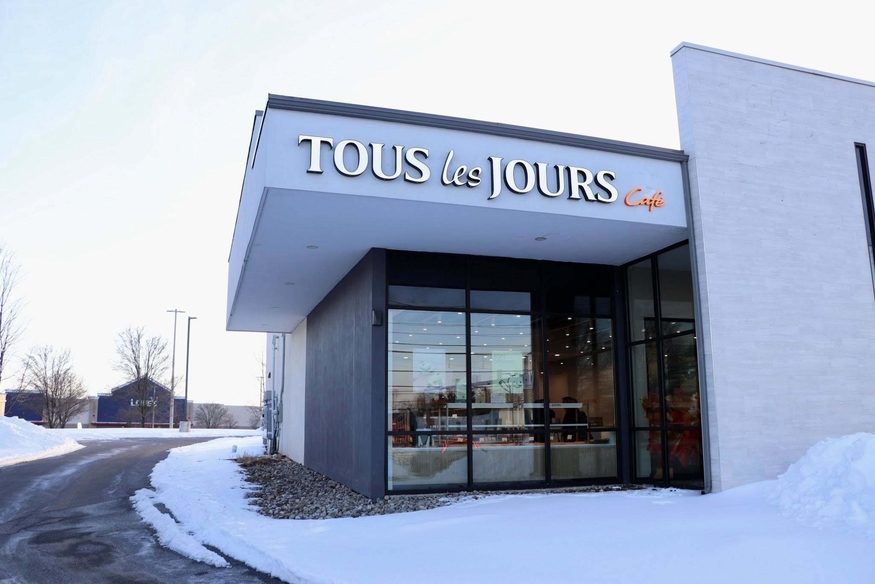
Against that backdrop, CJ Foodville is accelerating the U.S. expansion of its bakery brand Tous les Jours, positioning it as part of a wider push by Korean food companies to capitalize on growing demand for K-food. The company recently opened a new store in Hampden Township, Pennsylvania, extending its footprint in the Northeast as it scales its U.S. presence.
Founded in Seoul in 1997, Tous les Jours offers a French-Asian style bakery concept built around breads, pastries and coffee beverages. In the U.S., the chain has grown primarily through franchising and now operates about 190 stores across 28 states. That expansion reflects not only brand-specific execution but also a shift in consumer demand, as Korean-origin food brands gain broader acceptance beyond diaspora communities.
Industry data suggest the trend is structural rather than cyclical. According to the Korea Agro-Fisheries & Food Trade Corporation, South Korea’s food exports reached a record $12 billion in 2024, with the U.S. accounting for one of the fastest-growing markets. Korean categories such as ramen, sauces and frozen foods have seen double-digit growth in major U.S. retail channels, supported by increased exposure through streaming content and social media.
CJ Foodville’s expansion strategy reflects that shift. Rather than positioning Tous les Jours as a specialty import, the company is aligning the brand with mainstream bakery-café consumption patterns—targeting repeat, everyday purchases instead of occasional novelty-driven visits. The Pennsylvania store follows the chain’s standard format, combining freshly baked goods with beverages designed to drive habitual traffic.
The company is also localizing its supply chain to support scale. A production facility in Gainesville, Georgia, which began operations recently, is equipped with automated lines capable of producing up to 100 million units annually, including frozen dough and cakes. Domestic manufacturing allows CJ Foodville to reduce logistics costs and improve supply stability—an increasingly important factor as global shipping volatility persists.
The Georgia plant is central to a franchise-led growth model. By integrating production, logistics and quality control within the U.S., the company can standardize products across locations and support multi-unit franchise operators. That approach mirrors strategies used by established U.S. chains, suggesting Korean brands are shifting from market entry to long-term competition.
Financial performance indicates the strategy is gaining traction. Revenue at CJ Foodville’s U.S. unit rose from $35 million in 2021 to $95 million in 2024, while net income increased from $3 million to $25 million over the same period. The company has reported seven consecutive years of profitability in the U.S., pointing to improving economies of scale.
CJ Foodville has set a goal of reaching 1,000 North American stores by 2030. Its trajectory aligns with a broader industry pattern in which Korean food companies are transitioning from export-driven growth to localized operations in overseas markets.
As competition intensifies across the bakery and café segment, the company’s ability to translate rising interest in K-food into sustained, repeat consumption may determine whether brands like Tous les Jours evolve from cultural trend to permanent fixture in the U.S. dining landscape.