South Korea is preparing to direct the first portion of its $200 billion U.S. investment commitment into the American energy sector, showing how Washington’s trade pressure is beginning to reshape where one of its closest Asian allies puts its money.
The planned investment is not simply another foreign project in the United States. It is part of a broader bargain in which South Korea is seeking protection from higher U.S. tariffs while Washington pushes allied governments and companies to place more capital inside the American economy.
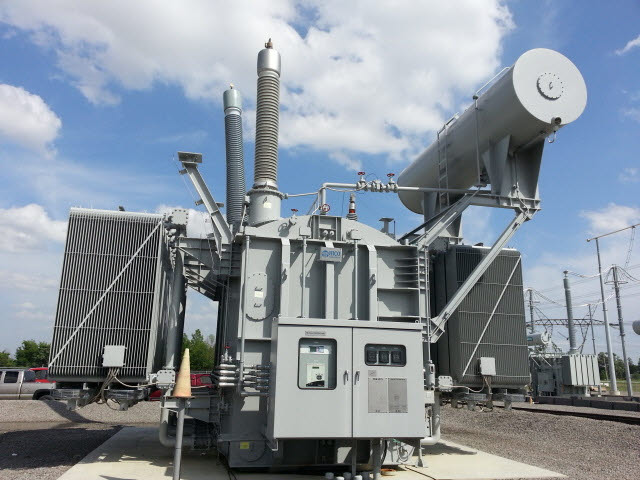
Kim Jung-kwan, South Korea’s minister of trade, industry and energy, said the two governments are nearing an agreement on the first project and could make an announcement in late August or September. Energy has emerged as the leading option because large infrastructure assets can generate relatively stable returns over long periods.
The specific investment has not been disclosed. South Korean officials have not said whether it will involve power generation, energy transportation, storage or another part of the industry. Kim said Seoul would support only projects with clear commercial value rather than spend money merely to satisfy a political pledge.
That distinction matters for South Korea. The country is already one of the largest foreign investors in U.S. manufacturing, with Korean companies building semiconductor, battery and automobile facilities across the country. Moving into energy would deepen that presence by giving Korean capital a role in the infrastructure that powers those factories and supports future industrial expansion.
It would also give South Korea more at stake inside the United States. As Washington relies more heavily on tariffs and trade investigations, foreign governments increasingly have an incentive to invest locally rather than depend only on exports. For Seoul, money committed to American projects can serve both as an investment and as leverage in negotiations over market access.
Kim is visiting Washington for meetings with U.S. Commerce Secretary Howard Lutnick, members of Congress and other officials. He is also expected to press South Korea’s objections to possible tariffs under Section 301 of the U.S. Trade Act, which allows the U.S. government to retaliate against trade practices it considers unfair.
The Trump administration has examined South Korea and other trading partners over issues including excess production and forced labor. Seoul has been informed that a 12.5% tariff could be imposed in connection with the forced-labor investigation.
South Korea argues that the 15% tariff ceiling established under its trade agreement with the United States should remain the maximum rate applied to Korean goods. Yeo Han-koo, South Korea’s chief trade negotiator, is expected to raise the issue with U.S. Trade Representative Jamieson Greer.
The investment and tariff talks are therefore part of the same negotiation. Washington wants more foreign capital committed to American industries. Seoul wants predictable access to the U.S. market and protection from additional trade barriers.
Energy is likely to become the first test of whether that exchange can work. A successful project would provide the United States with new investment in a strategically important industry while giving South Korea a larger economic foothold inside the country imposing the tariffs.