South Korea will restructure its steel industry to address chronic oversupply and strengthen competitiveness, the Ministry of Trade, Industry and Energy (MOTIE) announced. The plan shifts the focus from mass production to high-value, low-carbon steelmaking, supported by tighter import controls, export assistance, and investments in hydrogen-based technologies.
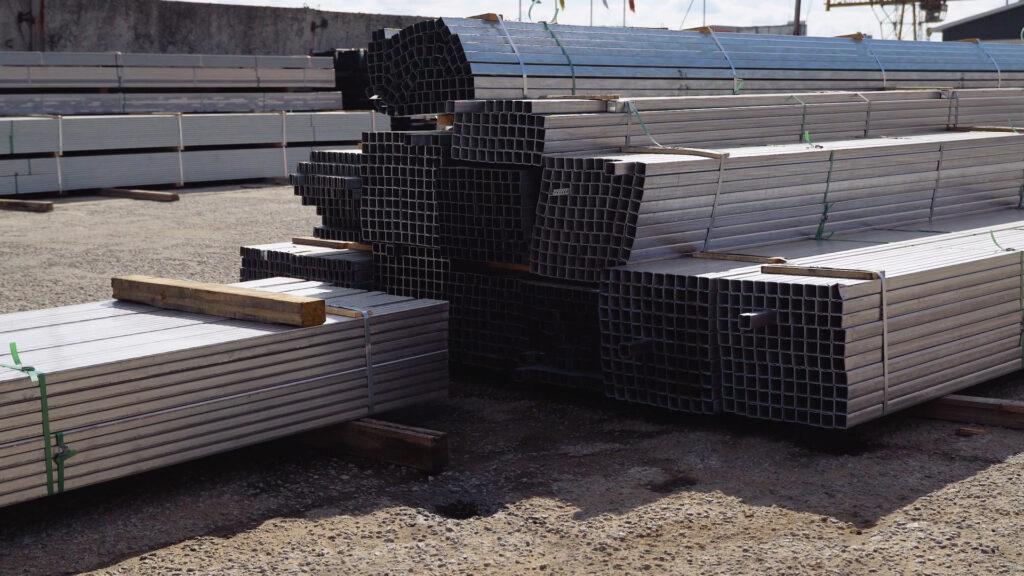
The government will cut production of low-margin products such as rebar, sections, and steel plates — segments suffering from weak demand and excess capacity. Companies that downsize facilities will receive tax incentives and policy support, while lawmakers are considering a special law to facilitate the restructuring. For sectors such as shaped steel and pipes, MOTIE may designate affected regions as preemptive crisis zones to provide additional financial aid.
To enhance competitiveness, Seoul will invest about $1.45 billion in R&D for specialty steels, aiming to raise their production share from 12% in 2023 to 20% by 2030. Domestically produced premium steel will be prioritized for national infrastructure projects, and AI-based manufacturing innovation will be promoted.
A $410 million export support package will help firms affected by global trade barriers, offering credit guarantees, low-interest loans, and emergency funding. Starting in 2025, importers will be required to submit quality and origin certificates to curb unfair trade practices.
The government will also accelerate the transition to hydrogen-based steelmaking through the $590 million K-HyRED project, which can reduce carbon emissions by up to 90% compared with traditional blast furnaces. Expansion of electric arc furnaces, stabilization of scrap supply, and the introduction of low-carbon certification systems will further drive the green transition.
Regions reliant on steel production, including Pohang, Gwangyang, and Dangjin, will receive revitalization support to mitigate short-term disruptions. MOTIE said the restructuring marks a “turning point” for the industry, aiming to preempt structural risks and secure long-term competitiveness.