The number of single-person households in South Korea passed 8 million for the first time in 2024, setting a new record and underscoring how delayed marriage, longer life spans and rapid aging are redrawing the country’s social fabric.
According to a report released Tuesday by the National Data Office, individuals living alone represented 8.045 million households last year, a 2.8% increase from the previous year. They now make up more than 36% of all households nationwide—a rise of nearly six percentage points in five years.
The increase is being propelled by two distinct trends: younger adults are marrying later or not at all, while more elderly individuals are living alone after the death of a spouse. The average age of first marriage has climbed to 33.9 for men and 31.6 for women, significantly higher than in the mid‑1990s. At the same time, life expectancy has risen to 80.8 years for men and 86.6 for women, expanding the share of older Koreans who live independently.
Seoul had the highest concentration of single‑person households at 39.9%, followed by Daejeon and the provinces of Gangwon and North Chungcheong. By age, people 70 and older constituted the largest segment (19.8%), while adults 29 and under accounted for 17.8%. Men are more likely to live alone in their 20s and 30s, whereas women predominate in older age groups—a pattern officials attribute to women’s longer life expectancy and higher likelihood of widowhood.
Economically, solo households trail the broader population. Their average annual income reached 34.23 million won ($25,850) but was only 46% of the national household average. The asset gap was even wider, with single‑person households holding average assets of 223 million won, barely 39% of the overall average. Their homeownership rate stood at 32%, compared with 56.9% for all households.
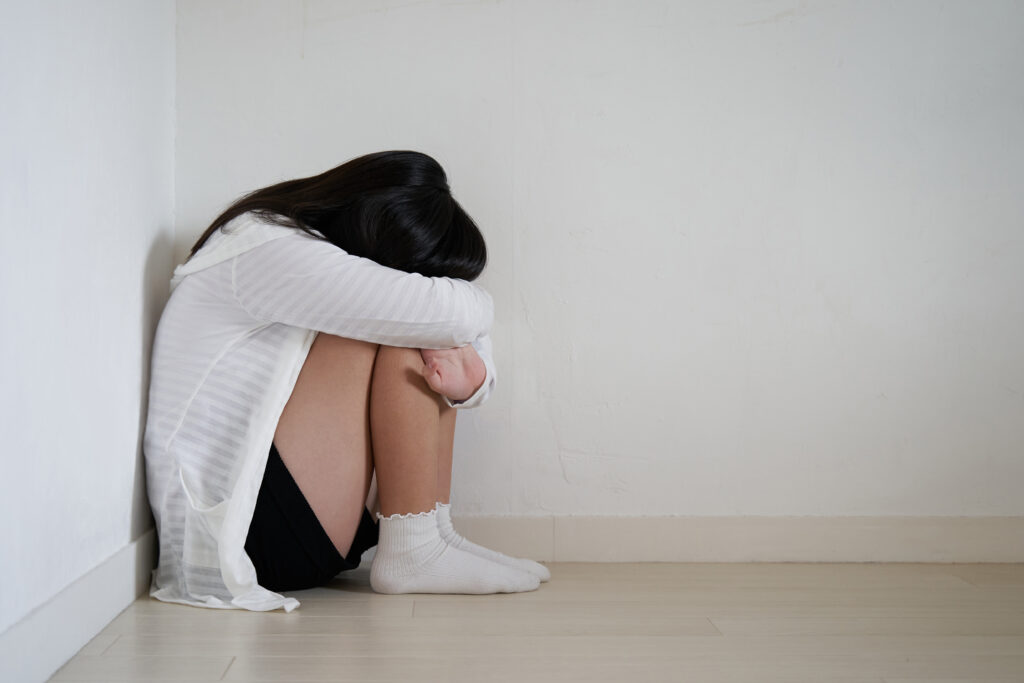
The data also point to higher risks of social isolation and mental‑health strain among those living alone. Only 51.1% reported satisfaction with their personal relationships, below the 55.5% for the general population. Nearly 49% said they often or sometimes feel lonely—more than 10 percentage points above the national average. More than a quarter said they had no one to turn to when feeling depressed.
This marks the first time South Korea has formally measured loneliness among single‑person households, highlighting growing attention to social well‑being in a country that is aging faster than almost any other developed economy.