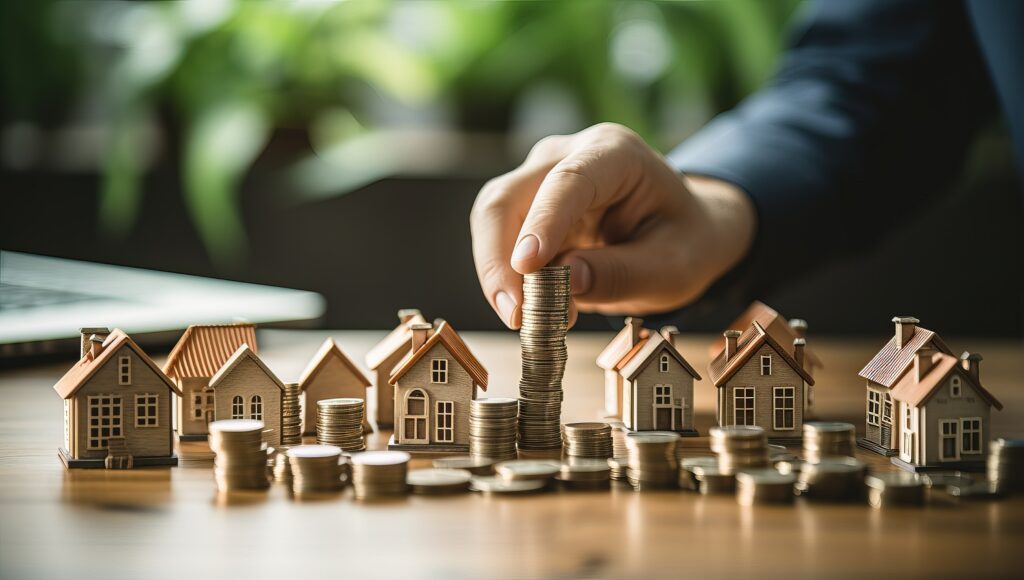
South Korea’s government is preparing a new housing supply package that would add more than 50,000 homes across the Seoul metropolitan area, as policymakers scramble to address tightening supply and accelerating home-price gains in the capital, according to ruling-party and government officials.
The plan, expected to be announced as early as the end of this month, will rely heavily on redeveloping underutilized public land, including former military bases and aging government office complexes. Officials said the measures will avoid regulatory relief for private-sector reconstruction or redevelopment, instead prioritizing public-led projects that can move quickly into construction.
More than 50 potential sites have been identified across the greater Seoul area. They include former military facilities in Seoul’s Gangseo and Geumcheon districts, as well as outdated public office properties in Yongsan, Songpa and Jungnang. Together, the sites could yield more than 50,000 housing units, officials estimate, with roughly 40,000 units coming from idle or previously restricted land.
In Seoul alone, over 30 aging public office complexes are under review. The effort builds on a previous government pledge to supply 28,000 homes by 2030 through high-density redevelopment of obsolete public buildings and could generate an additional 10,000 units, officials said.
Several locations dropped from earlier housing initiatives are also being reconsidered. These include a former military site in western Seoul’s Gangseo district, capable of supplying around 1,000 homes, and the Taereung Golf Course in northeastern Seoul, where the planned scale has been reduced to about 5,000 to 6,000 units to address local opposition.
In Geumcheon district, a former Air Force base in Doksan-dong could deliver roughly 4,000 homes through mixed-use redevelopment. The government is also in talks with Seoul city officials over housing allocations in the Yongsan International Business District, where the number of planned units could exceed 8,000, though final figures have yet to be finalized.
Most of the new supply would be offered as public rental or public-sale housing, with priority given to young adults and newly married couples, officials said.
The move comes as Seoul’s housing pipeline continues to thin. Apartment move-in volumes this year are projected at around 29,000 units, well below the 10-year average of roughly 38,000. Construction slowdowns since 2022 have fueled concerns that supply shortages could persist for years.
Prices, meanwhile, show little sign of cooling. Seoul apartment prices rose 8.71% last year, the fastest pace since nationwide tracking began in 2012. Prices gained another 0.29% last week, marking the largest weekly increase since October.
Officials said additional details—including the balance between public rental and public-sale housing—will be finalized by June, with the possibility that more sites could be added to further expand supply.