South Korea is reshaping its public housing policy as part of President Lee Jae Myung’s broader effort to expand housing supply while improving the quality of government-backed homes, a strategy aimed at making public rentals attractive to a wider range of households rather than serving solely as a safety net for low-income residents.
The Ministry of Land, Infrastructure and Transport said on July 3 it will substantially increase the proportion of larger public rental apartments under revised design guidelines. Officials say the changes are intended to support the administration’s wider housing agenda by encouraging more middle-class families to consider public rental housing, easing pressure on the private housing market over the longer term.
Under the new standards, apartments measuring between 646 and 915 square feet will account for 40% of newly constructed public rental housing, double the previous 20% allocation. The share of units measuring 645 square feet or less will be reduced from at least 80% to 60%, reflecting the government’s view that public housing should better accommodate family households rather than focusing overwhelmingly on one- and two-person residents.
The policy marks a notable shift in South Korea’s approach to public housing. Rather than simply increasing the number of affordable units, the Lee administration is seeking to improve their quality and expand their appeal. Officials argue that public housing should become a competitive housing option that attracts middle-income families by offering larger, better-designed homes while remaining affordable.
President Lee has repeatedly argued that public housing should no longer be viewed as housing reserved primarily for low-income residents. Instead, he has called for government-supported housing that offers the quality, convenience and living standards capable of attracting a broader segment of society.
The initiative forms part of the administration’s broader housing strategy, which seeks to stabilize the property market by expanding supply across multiple segments rather than relying solely on tighter lending regulations or demand-side controls. Policymakers believe that increasing the availability of high-quality public rental housing could provide an alternative to home purchases for some households, helping moderate demand in the private residential market.
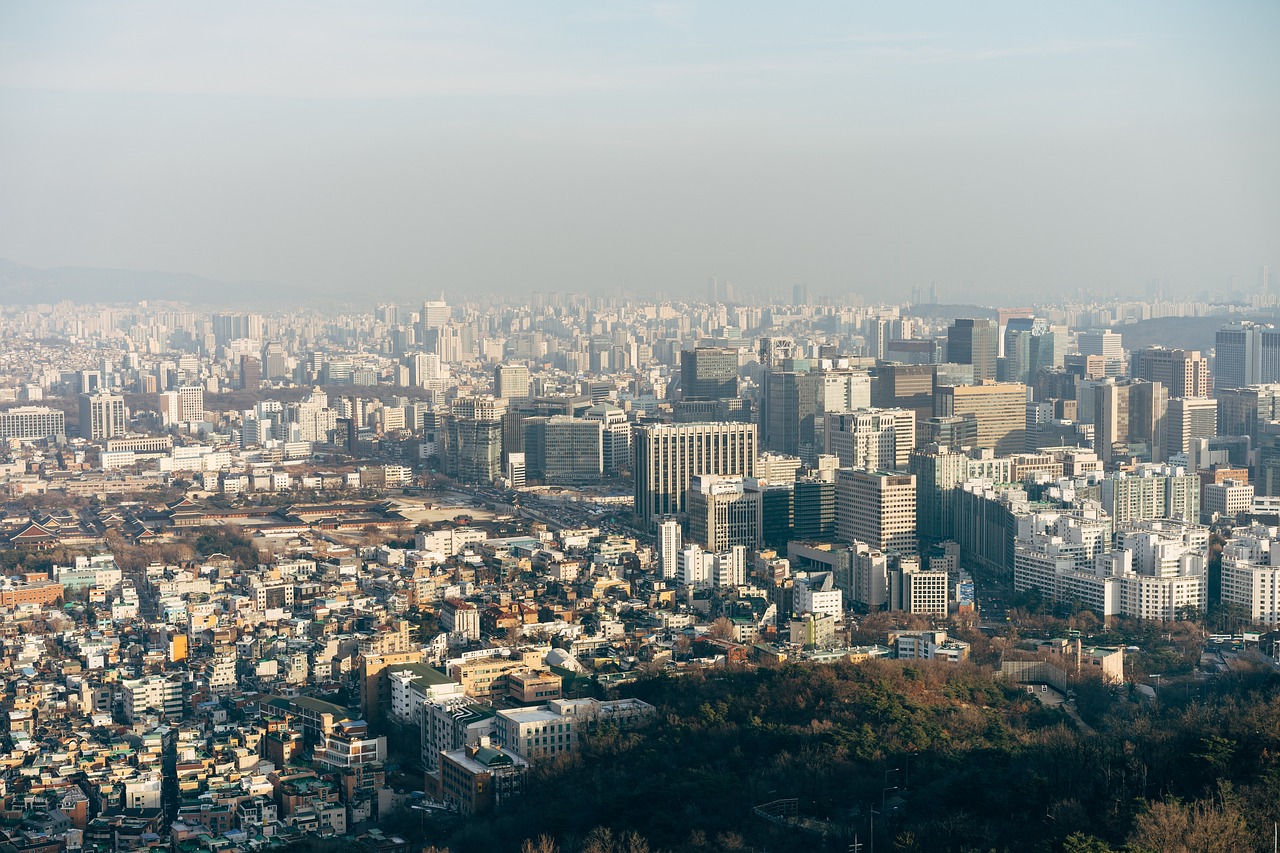
The strategy also reflects growing concern over housing affordability in major metropolitan areas, where high home prices have made homeownership increasingly difficult for younger families. By improving the standard of public rental housing, the government hopes more households will choose long-term renting without perceiving it as a lower-quality option.
Housing specialists, however, caution that improving quality should not come at the expense of supply for the country’s most vulnerable residents.
Critics note that larger apartments require significantly more land and construction resources than smaller units, potentially reducing the overall number of public homes that can be built. They also point to South Korea’s demographic changes, with single-person households continuing to account for the fastest-growing share of demand.
The debate illustrates the balancing act facing the Lee administration. It is attempting to pursue two objectives simultaneously: increasing the overall supply of housing while upgrading the quality of public housing to support its broader real-estate agenda. Whether the policy succeeds will depend on whether South Korea can expand public housing without reducing opportunities for younger and lower-income households that continue to face the country’s greatest housing pressures.