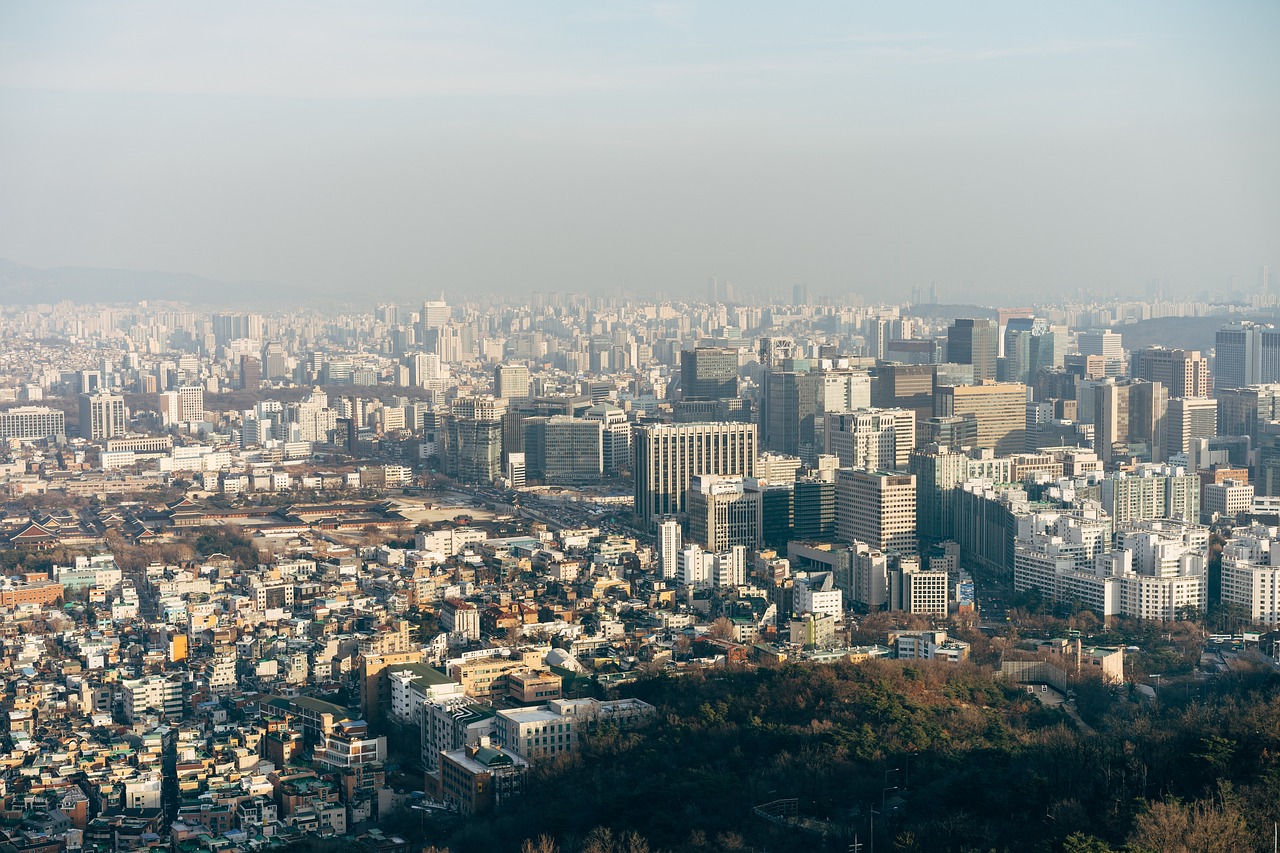
South Korea has long been one of the world’s most difficult automotive markets for foreign manufacturers. Dominated by Hyundai Motor Co. and Kia Corp., domestic brands have traditionally controlled nearly four out of every five new passenger-vehicle sales through strong brand loyalty, extensive dealer networks and comprehensive after-sales service.
That dominance is beginning to erode.
Imported passenger vehicles captured 25.8% of South Korea’s new passenger-vehicle registrations in May and 25.9% in June, the highest monthly market share on record, according to industry data released on July 10. Foreign brands have now maintained more than a 20% market share for five consecutive months since February, marking a significant shift in one of Asia’s most protected automotive markets.
In May, imported brands sold 29,860 passenger vehicles out of a total market of 115,680 units, while domestic automakers registered 85,820 vehicles. The momentum accelerated further in June, when imported passenger-vehicle registrations exceeded 38,000 units, setting a new monthly record.
The growth has also been sustained over a longer period. Imported vehicles first exceeded a 10% market share in 2012 and crossed 15% in 2015. Their annual share reached a record 20.3% in 2025, when registrations surpassed 300,000 vehicles for the first time. During the first half of 2026, imported passenger-vehicle registrations climbed to approximately 184,000 units, another record, after increasing by about 46,000 vehicles from a year earlier.
The biggest winners have not been traditional European luxury brands but a new generation of global electric-vehicle manufacturers.
Tesla accounted for 56,139 vehicle registrations during the first half of the year, representing 30.5% of all imported passenger vehicles sold in South Korea and a 192% increase from a year earlier. The company’s Model Y became the country’s best-selling imported vehicle and briefly ranked as South Korea’s overall best-selling passenger car in May before being overtaken by Hyundai Motor’s redesigned Grandeur sedan in June.
China’s BYD has emerged as another fast-rising competitor.
The Chinese automaker registered 11,675 passenger vehicles during the first half, making it South Korea’s fourth-largest imported automotive brand, ahead of long-established premium marques including Lexus and Audi.
Together, Tesla and BYD accounted for roughly 47,000 additional vehicle registrations, effectively representing the entire year-over-year increase in imported passenger-vehicle sales during the first half. Their combined performance illustrates how rapidly the global EV transition is reshaping competition in South Korea.
Electrification has become the primary engine behind that shift.
Battery-electric vehicles accounted for 51.1% of all imported passenger-vehicle registrations in June, meaning that for the first time, more than one out of every two imported vehicles sold in South Korea was fully electric. Competitive pricing, improving battery technology, software-based features and over-the-air updates have helped overseas EV manufacturers compete more directly with domestic brands than traditional internal-combustion vehicles ever did.
The trend also reflects changing consumer preferences.
South Korean buyers are increasingly evaluating vehicles based on charging performance, software ecosystems, connectivity, battery technology and total ownership costs rather than relying solely on long-established domestic brands. As EV technology becomes a more important purchasing factor, overseas manufacturers have found new opportunities to differentiate themselves in a market once considered exceptionally difficult to penetrate.
For Hyundai Motor and Kia, the shift does not yet threaten their market leadership. Together, the two companies still account for nearly three-quarters of South Korea’s passenger-vehicle market and retain significant advantages through nationwide service networks, manufacturing scale and decades of customer loyalty.
But the latest figures suggest those traditional strengths are becoming less decisive in the electric-vehicle era.
For global automakers, winning customers in South Korea carries significance beyond sales volume. Success in one of the world’s most brand-loyal automotive markets serves as a powerful validation of product competitiveness, pricing strategy and technological leadership.
For South Korea’s domestic automakers, meanwhile, the message is becoming increasingly clear: competition is no longer driven primarily by established rivals from Japan, Europe or the United States. It is increasingly being shaped by global EV makers that view South Korea not as an impossible market to enter, but as one they can increasingly win.