South Korea is moving to crack down on fuel retailers accused of exploiting market volatility, with the government weighing price caps and stepped-up inspections to curb what officials describe as excessive profiteering.
President Lee Jae-myung ordered a sweeping response during an emergency Cabinet meeting, warning that authorities would take decisive action against gas stations suspected of hoarding fuel or sharply raising prices amid rising geopolitical tensions in the Middle East.
“We need strong enforcement and decisive action against attempts to take advantage of difficult market conditions through hoarding or price gouging,” Lee said, according to the presidential office.
Officials have been instructed to review the possibility of setting maximum retail prices for gasoline and other fuel products if market instability worsens. The government is considering establishing regional price ceilings by fuel type to stabilize the retail market.
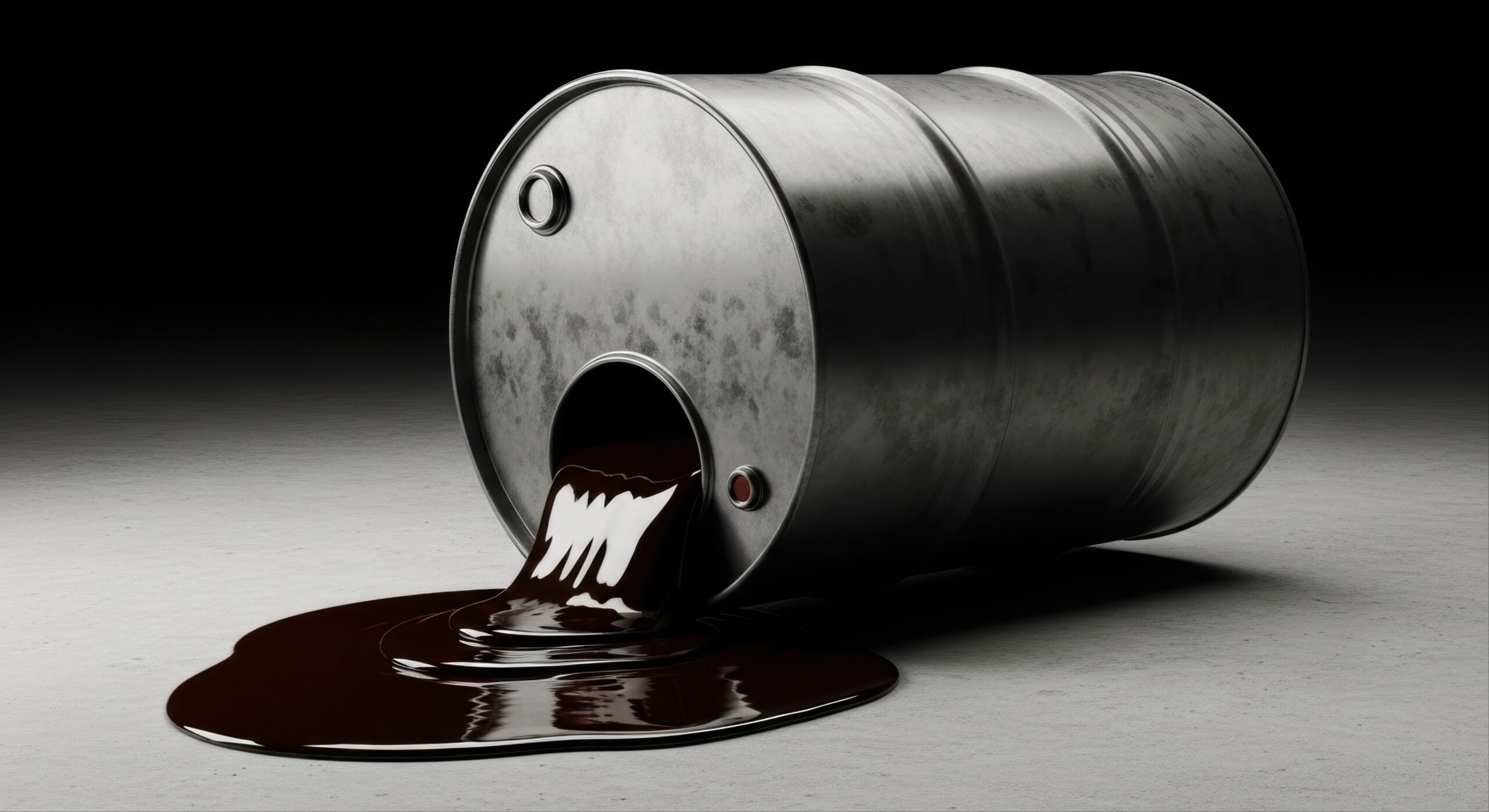
The directive comes as fuel prices in South Korea climb rapidly. Some gas stations have reportedly raised prices by nearly 55 cents per gallon within a short period, triggering complaints from consumers and prompting scrutiny from regulators.
Lee said authorities have received reports that some stations are adjusting prices several times a day. “It appears that in some places the price in the morning, afternoon and evening is different,” he said, calling for measures to curb excessive increases.
Finance Minister Koo Yun-cheol said the government is reviewing legal options under the Petroleum Business Act, which allows authorities to designate maximum fuel prices in the event of severe market disruptions.
Officials said the government could issue a public notice setting an upper limit on retail fuel prices after assessing market conditions.
Separately, provisions under the Price Stabilization Act could allow authorities to impose price ceilings and recover unfair gains through administrative penalties, the presidential office said.
Price caps are typically reserved for emergency situations, allowing governments to set maximum retail prices for essential goods to prevent sudden spikes during supply disruptions or market panic.
South Korea previously considered similar measures during the early months of the COVID-19 pandemic when face masks were in short supply, though authorities ultimately adopted a government-controlled distribution system instead.
Earlier Thursday, the finance ministry convened a special task-force meeting on consumer prices and agreed to actively consider administrative measures, including potential fuel price ceilings.
A cross-ministerial fuel market inspection team will also intensify enforcement beginning June 6, conducting more than 2,000 inspections each month to monitor pricing practices at gas stations.
The government is also preparing broader financial stabilization measures. Lee ordered the rapid deployment of a $72 billion market-support program aimed at containing volatility in South Korea’s stock and foreign-exchange markets.
In addition, the president instructed officials to prepare contingency plans to evacuate South Korean nationals from the Middle East if the regional security situation deteriorates, directing authorities to coordinate with allied countries and mobilize all available transportation options, including military aircraft and charter flights.