The amount of cash circulating in South Korea rose last year at its fastest pace since the Covid-19 pandemic, underscoring how shifts in interest rates and fiscal policy can still reshape money demand even in an increasingly digital economy.
Data released Feb. 5 by the Bank of Korea show that currency in circulation totaled about $156 billion at the end of last year, up 9.1% from a year earlier. It was the strongest annual increase since 2021, when pandemic-era liquidity injections drove cash growth to 13.6%.
Currency in circulation measures the total value of banknotes issued by the central bank minus those absorbed by the financial system. While the figure typically tracks economic growth, it is especially sensitive to changes in interest rates and household payment behavior.
South Korea saw double-digit growth in cash circulation through much of the mid-2010s before the pace slowed to 6.9% in 2018. Growth rebounded to 8.9% in 2019, then surged to 17.4% in 2020 as the pandemic triggered precautionary cash hoarding. Another double-digit increase followed in 2021.
That momentum reversed sharply when the Bank of Korea embarked on one of its most aggressive tightening cycles in decades. Rising borrowing costs increased the opportunity cost of holding cash and boosted bank deposits, leading financial institutions to absorb more currency. As a result, growth in cash circulation slowed to 4.4% in 2022 and fell further to 3.6% in 2023—the weakest pace in nearly 20 years.
The rebound over the past two years has coincided with a shift toward monetary easing. Growth recovered to 6.7% in 2024 and accelerated again last year as interest rates declined and government-issued consumer vouchers and other cash-equivalent subsidies lifted demand for physical currency.
A Bank of Korea official said the increase reflects a base effect from heavy cash withdrawals during the high-rate period of 2022 and 2023, as well as a renewed preference for holding cash as rates moved lower. Cash-based government support programs also contributed to the rise, the official said.
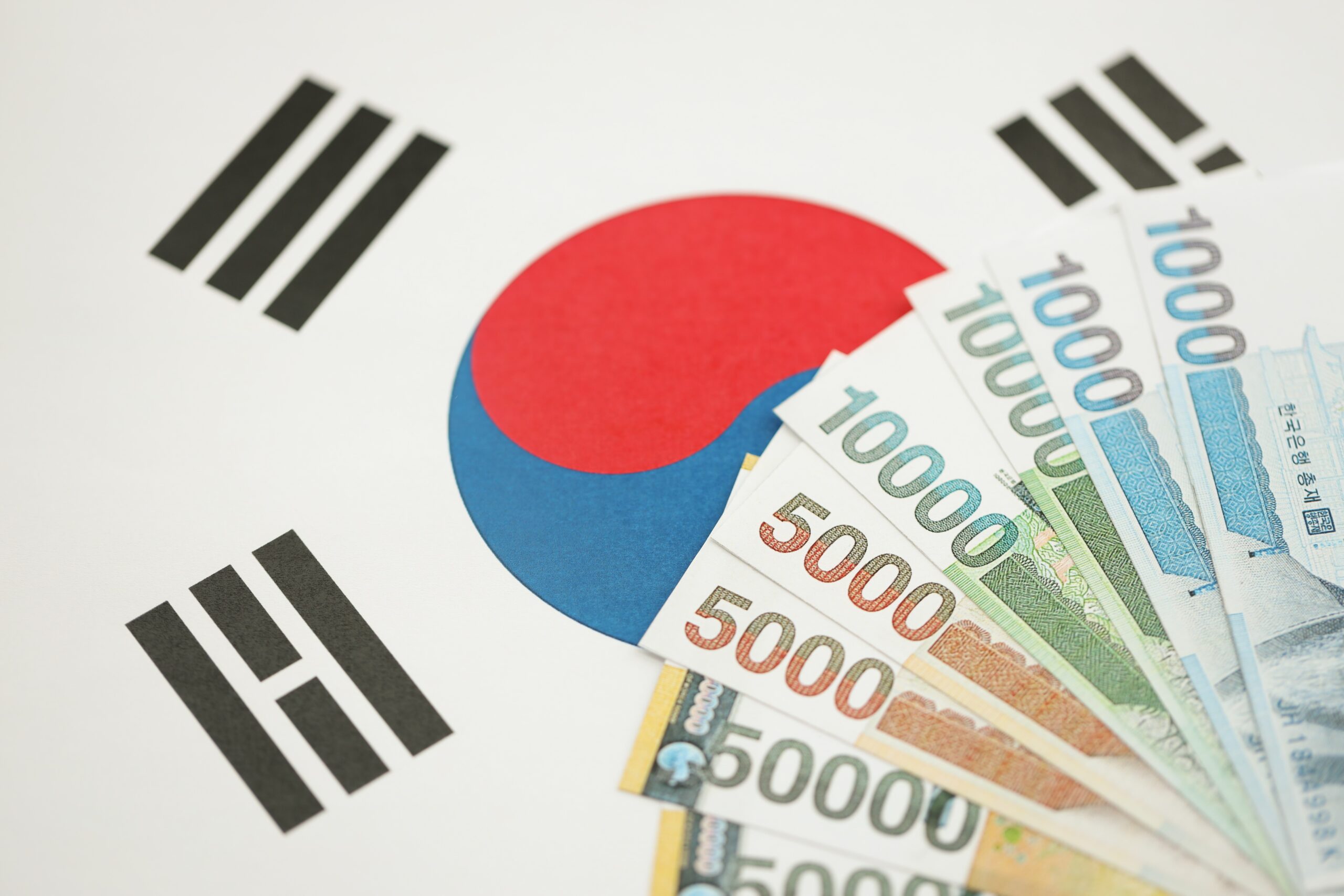
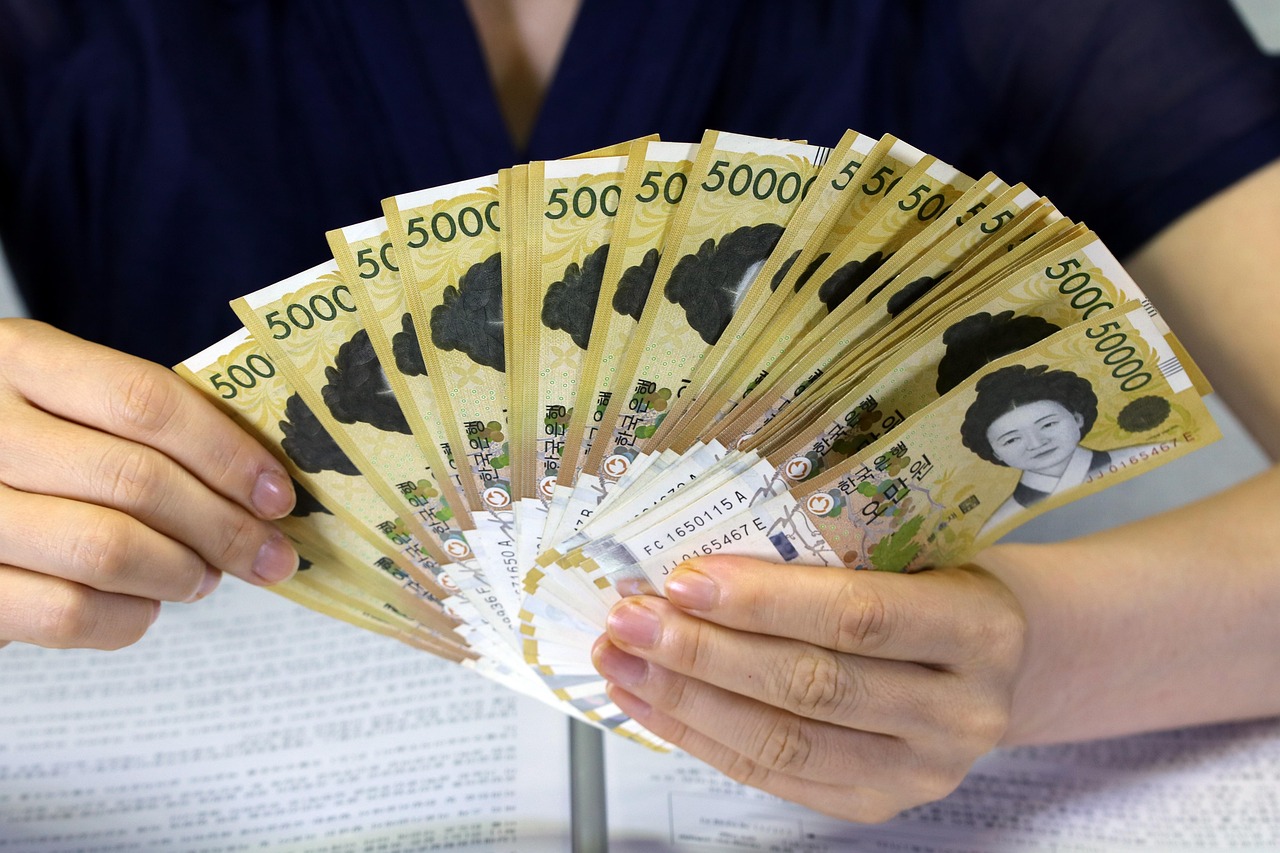
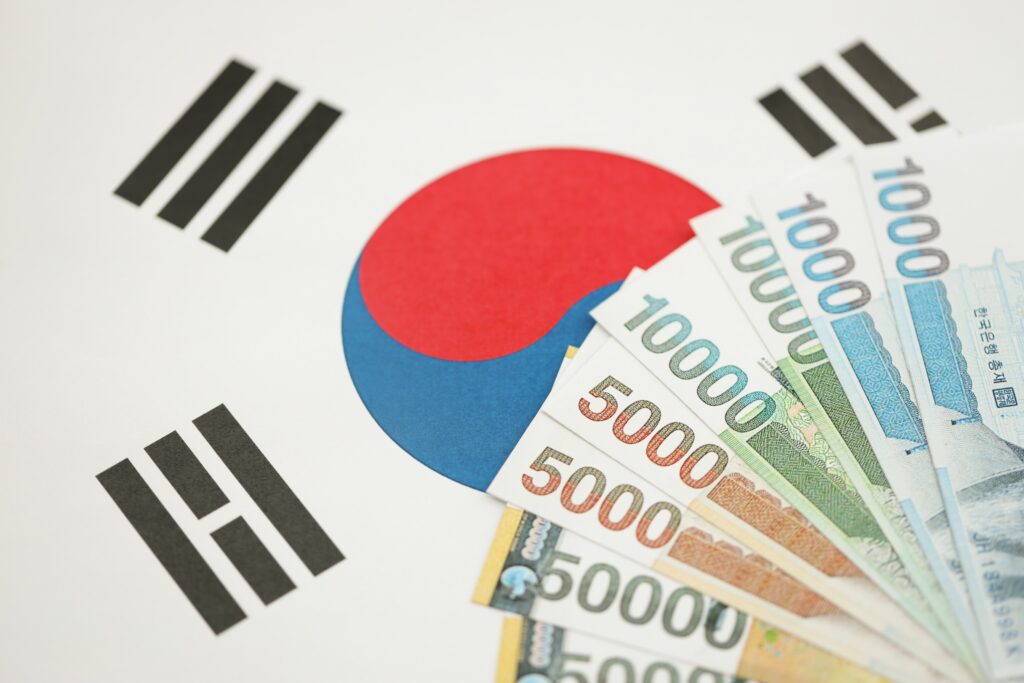
Despite the widespread adoption of card payments and mobile wallets, large-denomination banknotes continue to dominate South Korea’s cash economy. At the end of last year, 50,000-won notes accounted for roughly $140 billion—about 90% of all currency in circulation.
By contrast, the value of 10,000-won notes slipped slightly to around $11.5 billion, reducing their share of total cash outstanding to 7.4%. Holdings of 5,000-won notes edged up modestly to about $1.1 billion.
Over the past decade, cash in circulation has steadily expanded, rising from roughly $72 billion in 2016 to more than $148 billion by late 2024 before surpassing the $150 billion mark last year. The trend highlights how, even as economies move toward cashless payments, monetary policy and fiscal support can still exert a powerful pull on physical currency demand.