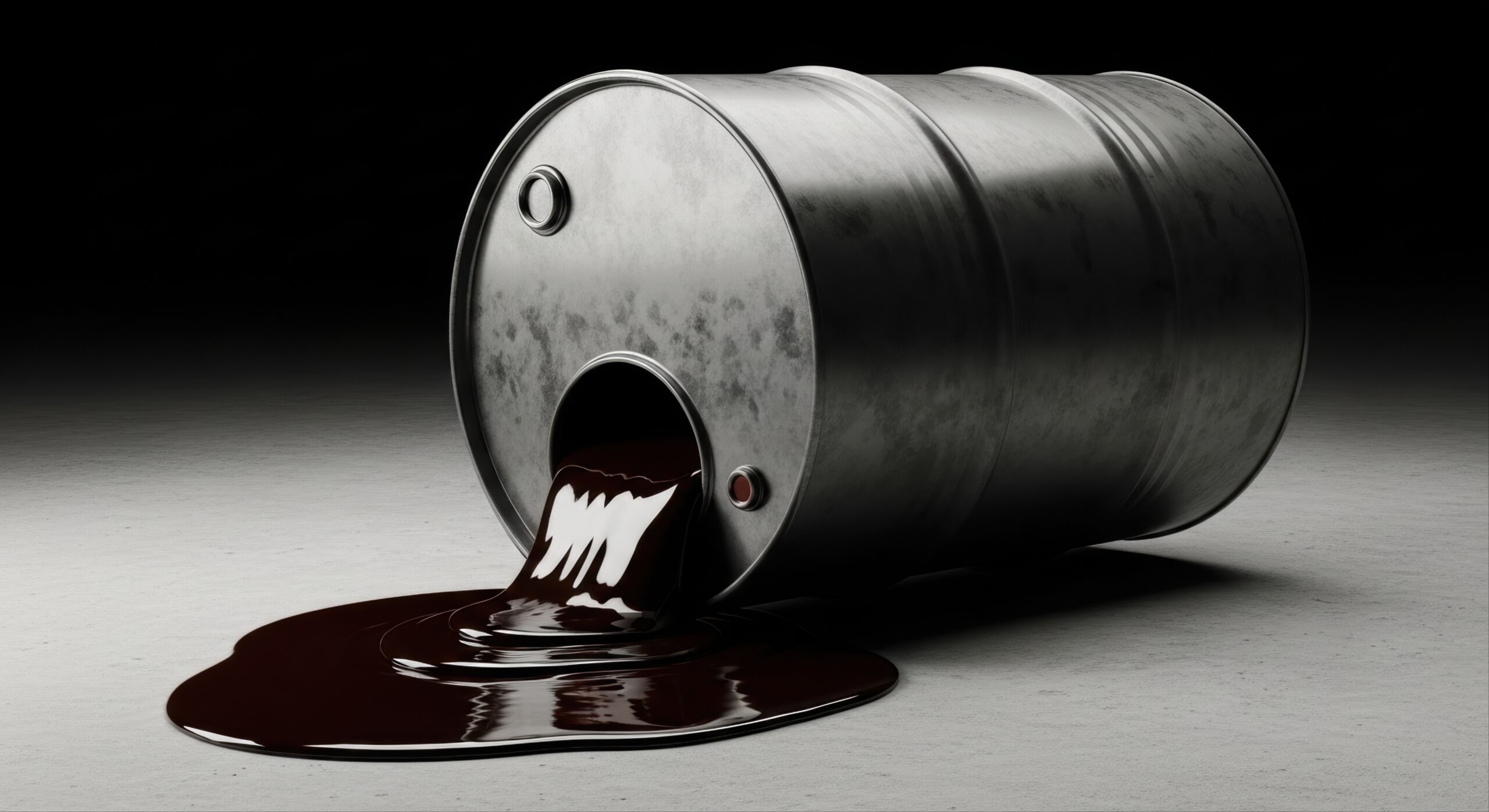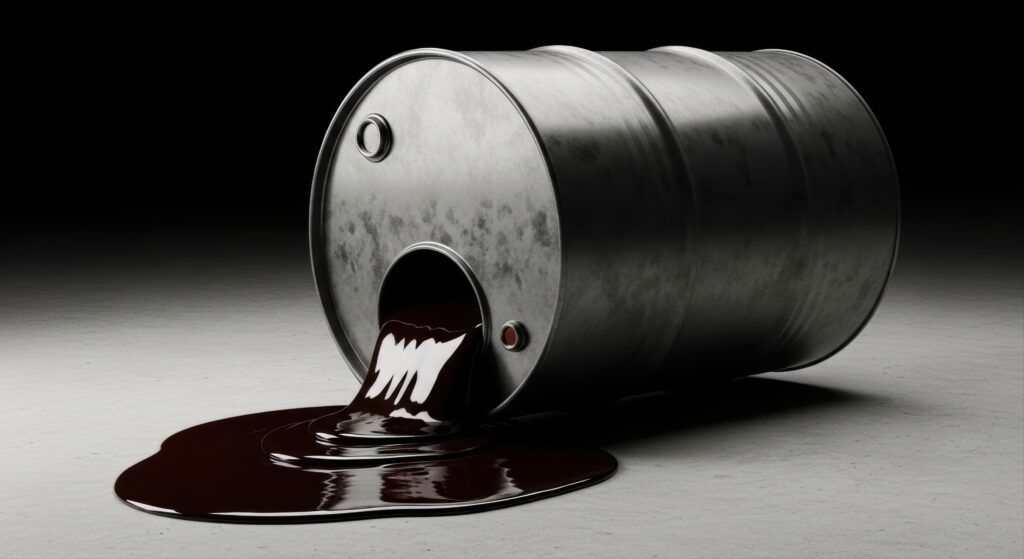
South Korea, one of the world’s most resource-scarce industrial economies, is confronting a renewed energy shock as rising tensions threaten to choke off flows through the Strait of Hormuz—a critical artery for global oil trade.
For Seoul, the risk is far from abstract. Unlike energy-rich nations, South Korea lacks meaningful domestic reserves of crude oil and natural gas, leaving it structurally dependent on imports to power its economy. That dependence is now colliding with geopolitical reality.
Roughly 27% of the world’s seaborne oil passes through the Strait of Hormuz, a narrow corridor at the mouth of the Persian Gulf. At its tightest point, the channel spans just 34 miles, with only a portion navigable for large tankers—much of it within Iranian territorial waters. Any sustained disruption would send immediate shockwaves through global supply chains. For South Korea, it would amount to a direct hit.
The country imported about 69% of its crude oil from the Middle East last year, with more than 95% of those shipments transiting Hormuz. Few major economies are as exposed to a single chokepoint.
Government officials insist that immediate supply risks remain manageable. South Korea holds more than 200 days of combined government and commercial petroleum reserves—well above the 90-day minimum recommended by the International Energy Agency. These stockpiles provide a buffer against short-term disruptions.
But buffers are not a substitute for supply.
Industry executives warn that a prolonged blockade would force refiners to scramble for alternative crude grades, likely at higher costs and under significant logistical constraints. Replacing Middle Eastern supply is neither quick nor seamless, particularly for facilities optimized for specific feedstocks.
The vulnerability reflects a deeper structural imbalance. South Korea’s export-driven economy—anchored in petrochemicals, semiconductors and heavy industry—runs on imported energy. When supply routes tighten, the effects cascade across manufacturing, shipping and consumer prices.
Seoul is now weighing contingency measures, including diversifying crude import sources. The U.S., already South Korea’s second-largest supplier after Saudi Arabia, is viewed as a potential offset. Additional sourcing from Southeast Asia and other regions is also under review.
Officials are conducting similar scenario planning for liquefied natural gas, though exposure there is somewhat less geographically concentrated.
South Korea has navigated energy shocks before, including coordinated strategic reserve releases during past crises. Yet the current situation underscores a persistent reality: in an era of tightening geopolitics, countries without domestic resources face outsized risks when supply lines falter.
For South Korea, the Strait of Hormuz is not just a distant waterway. It is a single point of failure—and a reminder that energy security, for import-dependent economies, ultimately depends on access rather than reserves.