While U.S. semiconductor companies are leaning ever more heavily on stock awards and long-term incentives to retain engineers during the artificial-intelligence boom, one of the world’s largest memory producers is taking a notably different approach: writing checks.
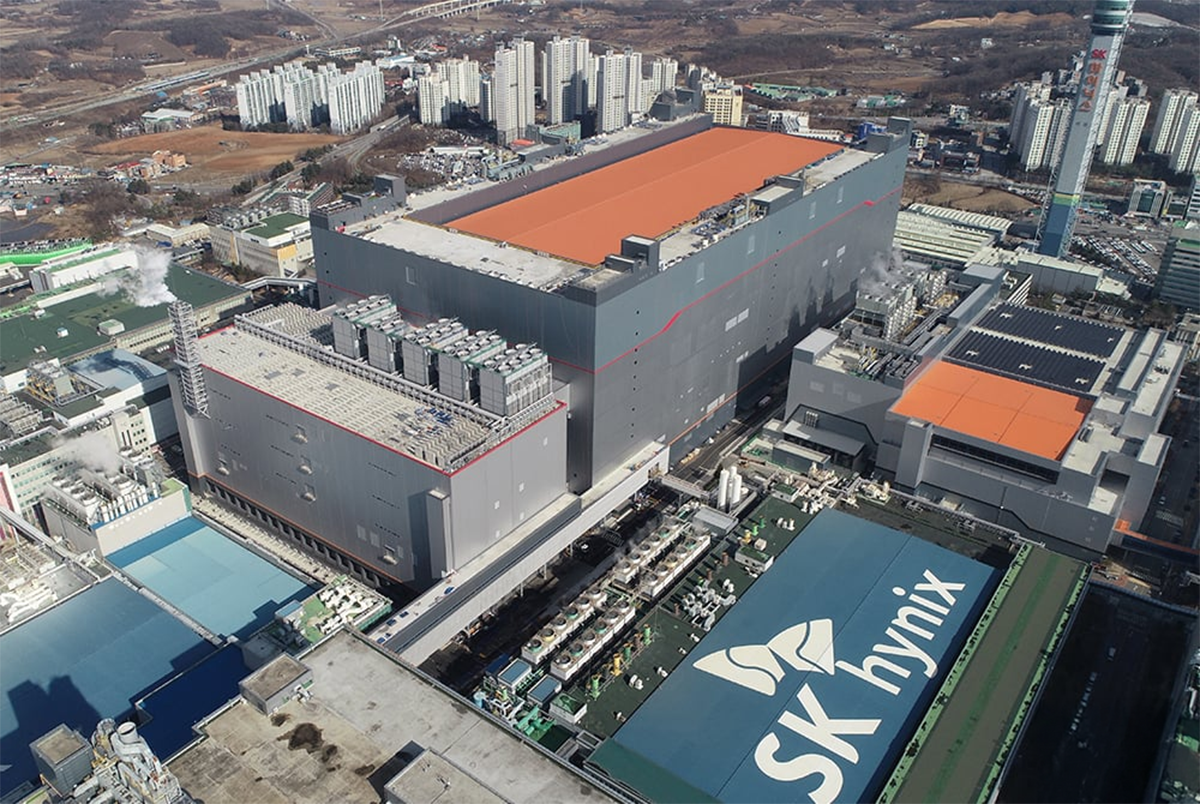
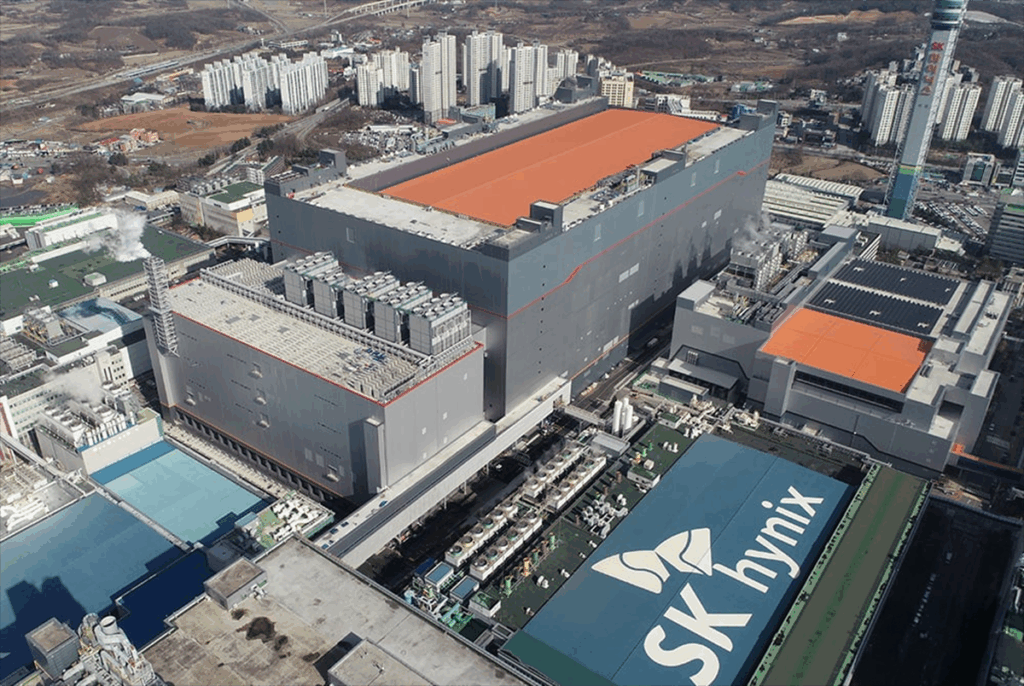
SK hynix, South Korea’s second-largest chipmaker and one of the world’s dominant producers of memory chips, including high-bandwidth memory critical to AI servers, is preparing to distribute what amounts to one of the largest cash bonus payouts in the industry, turning last year’s profit surge directly into employee compensation.
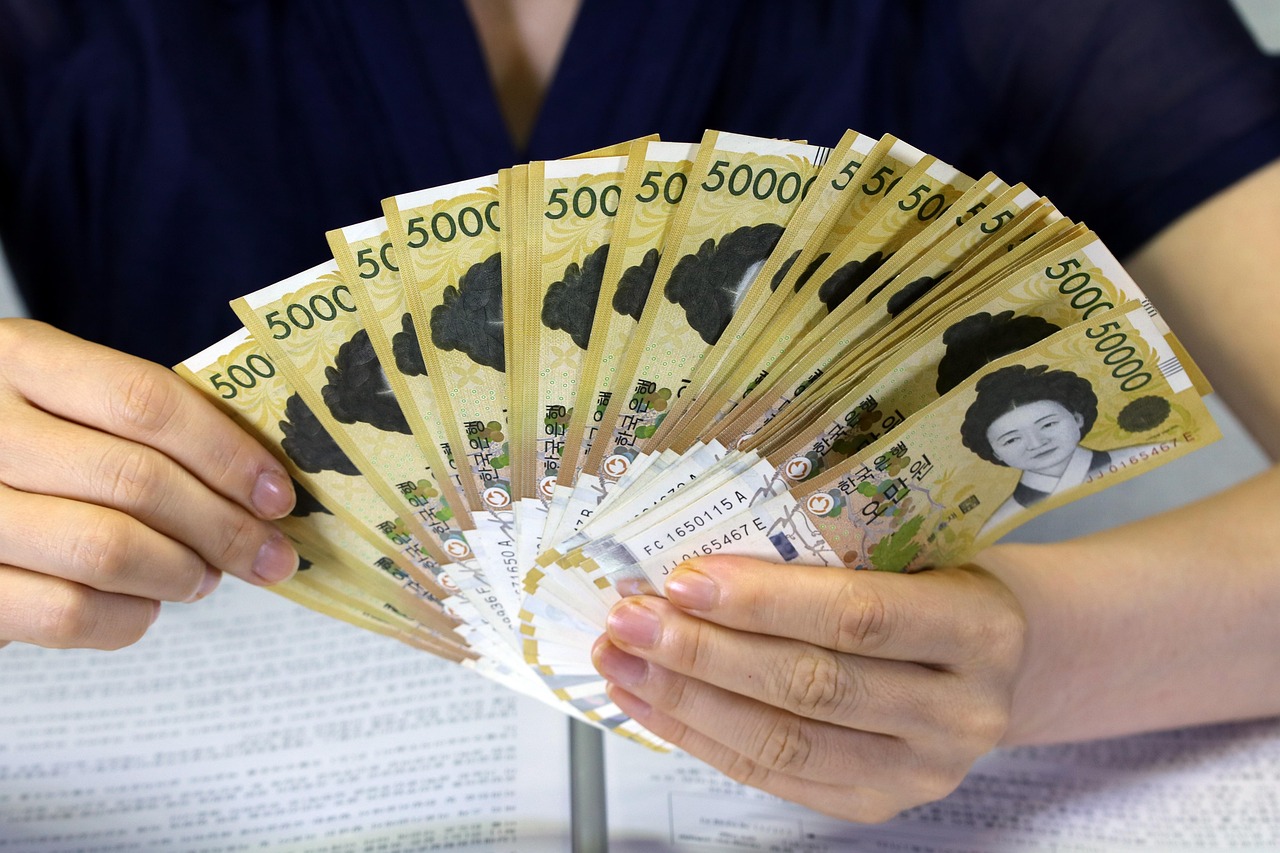
According to industry officials, the company has set its annual profit-sharing payout at nearly 30 times base monthly pay. For an employee earning roughly $67,900 a year, the bonus alone would exceed $100,000, a level of immediate cash compensation that is rare among major U.S. chipmakers even in boom years.
The payout reflects a structural shift in how the Korean company is allocating its AI windfall. Rather than capping bonuses or channeling most rewards into equity, SK Hynix now commits a fixed 10% of operating profit to employees, with no upper limit. The policy, revised through labor negotiations last year, is set to remain in place for a decade, signaling that management views compensation not as a cyclical expense but as a long-term competitive tool.
Most of the bonus is paid upfront, with a smaller portion deferred over two years, a design that combines immediate reward with retention. Executives have described the system as a response to intensifying competition for semiconductor engineers as AI workloads push memory demand — and margins — sharply higher.
Those margins have expanded dramatically. SK Hynix reported operating profit of about $32 billion last year on revenue of roughly $65 billion, its strongest performance on record, driven largely by demand for high-end memory used in AI data centers. The profit-sharing pool is estimated at around $3 billion, excluding contributions from its NAND business under Solidigm.
The bonuses come on top of separate productivity incentives tied to manufacturing output, meaning total performance-based pay linked to last year’s results far exceeds what many global peers provide in cash.
For U.S. investors and industry executives, the payout offers a window into how Korean chipmakers are recalibrating priorities as AI reshapes the sector. Capital spending remains heavy, but the willingness to distribute profits so directly to employees suggests a belief that, in the current cycle, human capital may be as scarce — and as valuable — as fabrication capacity.