Surging rice prices in Japan are pushing consumers to look abroad, driving increased demand for South Korean rice and highlighting shifting dynamics in a traditionally domestic-focused market.
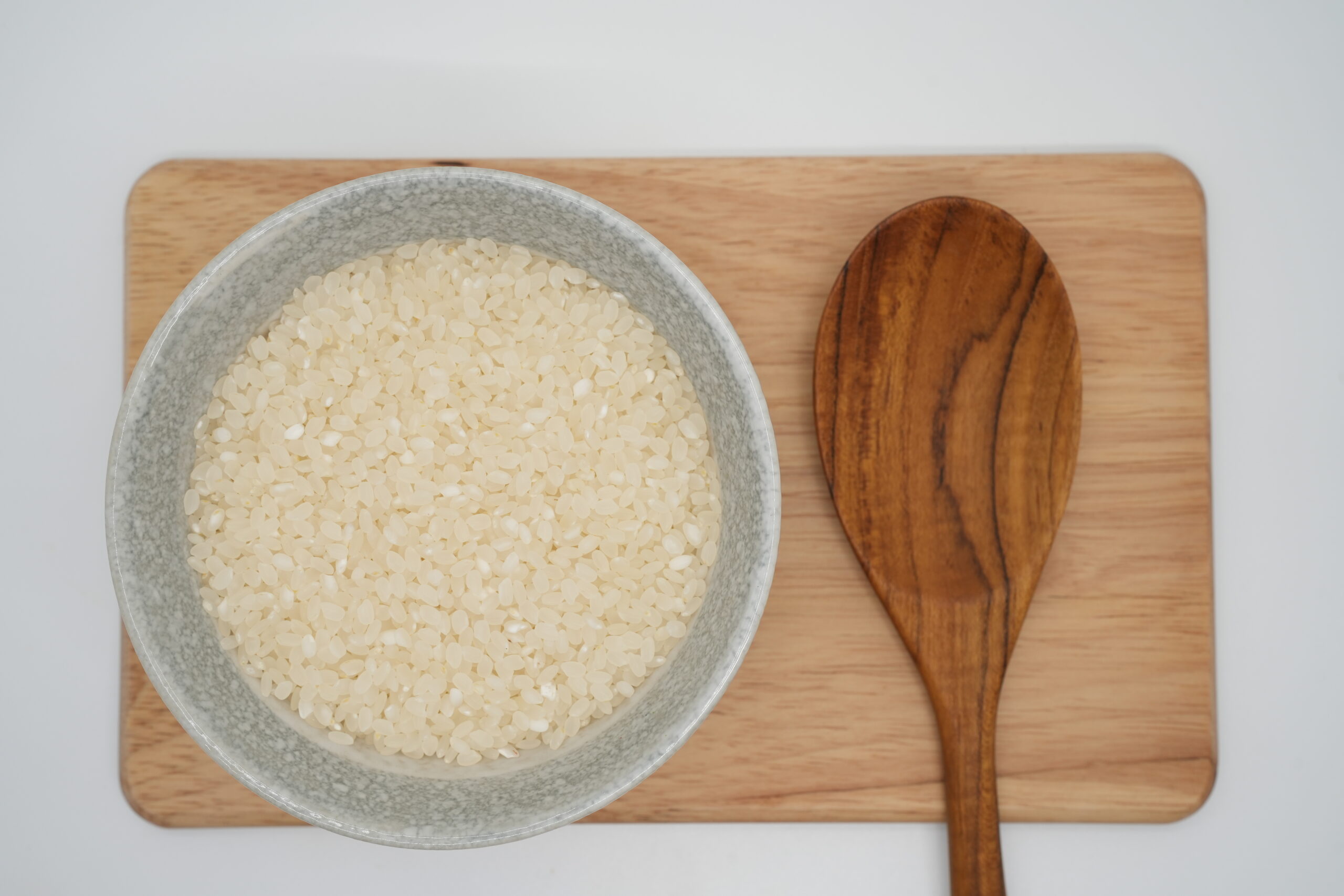
Rice prices in Japan have been climbing for several years, pressured by reduced harvests linked to extreme heat and drought, as well as longstanding policies aimed at limiting output. Production has struggled to keep pace with demand, particularly as consumption of processed and ready-to-eat rice products has expanded.
The imbalance has led to sustained price increases, prompting some consumers to seek alternatives outside the domestic market. Retailers and industry participants say South Korean rice is emerging as a viable option, offering competitive pricing and consistent quality.
The shift is also visible in cross-border purchasing patterns. Japanese travelers are increasingly buying rice in bulk during overseas trips, including in South Korea, reflecting growing sensitivity to staple food costs at home.
For South Korean producers, the trend presents a potential export opportunity. While Japan has historically maintained a tightly controlled rice market with limited reliance on imports, persistent price pressures could gradually open the door to greater foreign participation.
Analysts caution that the trend may depend on how Japan addresses its supply constraints. A recovery in domestic production or policy adjustments could ease prices and reduce import demand. Still, the recent surge underscores how supply disruptions and policy decisions are reshaping consumption patterns in one of the world’s most protected agricultural markets.
The development highlights a broader shift in staple food markets, where price volatility and climate-related risks are increasingly driving cross-border trade, even in sectors long defined by self-sufficiency.