Japanese brokerage Nomura Securities recently lowered its target price for South Korean defense firm LIG Nex1, trimming it from $480 to $420 amid expectations of slower overseas contracts next year. While that adjustment matters mainly to local investors, the story behind it points to a larger transformation in the global arms industry—one that directly affects the United States and its allies.
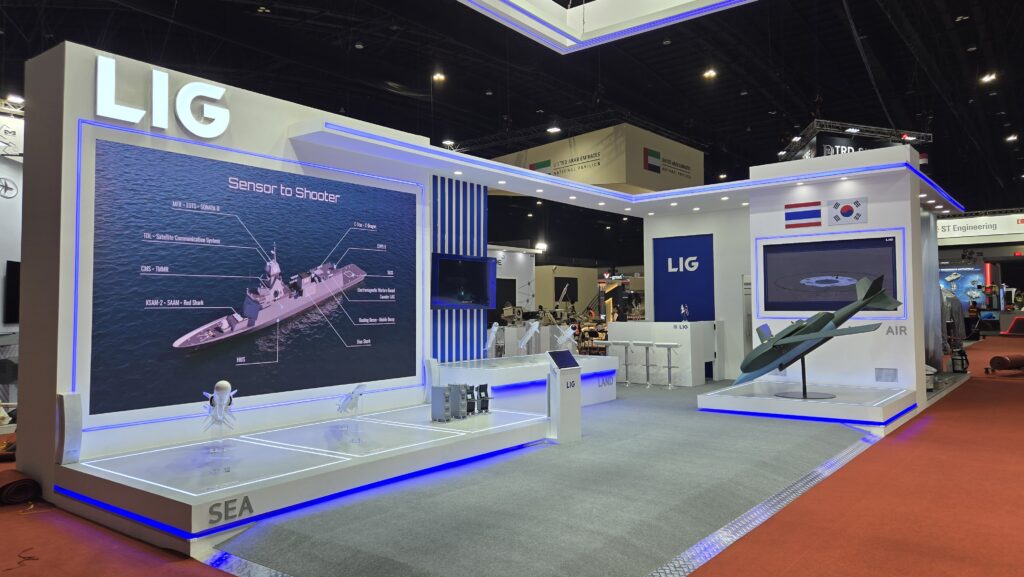
LIG Nex1, one of South Korea’s top defense contractors, has seen steady growth as countries in Eastern Europe and the Middle East look for faster, cheaper alternatives to U.S. and European systems. Even with analysts warning of short-term volatility, the company’s expanding export footprint—bolstered by systems like the Cheongung II surface-to-air missile—illustrates how South Korea has become a vital link in Washington’s defense ecosystem.
As geopolitical tensions deepen and U.S. defense suppliers face production bottlenecks, South Korean firms are filling urgent gaps in global demand. For the U.S., the rise of companies like LIG Nex1 is less a market story and more a strategic one: it shows how America’s security partnerships increasingly rely on industrial cooperation with allies who can deliver quickly and at scale.
In that sense, Nomura’s downgrade isn’t about a stock—it’s a snapshot of how defense power is diffusing across allied economies, and how the U.S. benefits from having partners capable of sustaining that shift.