Korean restaurant brands are moving deeper into the American market as U.S. diners show growing interest in alternatives to familiar fast-food chains.
Their expansion comes at a time when American consumers are increasingly open to new flavors, especially in categories like fried chicken, burgers and cafés where competition is already intense.
The broader rise of Korean pop culture in the United States has also played a role, with American viewers encountering Korean music, dramas and films through platforms such as Netflix.
Recent hits, including the K-pop–themed series Demon Hunters, have added to that visibility and helped steer more consumers toward Korean food as part of the same cultural curiosity.
Korean fried chicken has been drawing consistent attention from U.S. customers who view it as a fresher, more flavorful break from standard American offerings.
BBQ Chicken, now operating more than 250 locations across thirty-three states, has grown largely because many Americans gravitate to its crisp double-fried texture and heavier seasoning style, which differ from the milder profiles of domestic chains.
Its rising visibility was reflected when Yelp ranked it among the fastest-growing brands in the country for 2025.
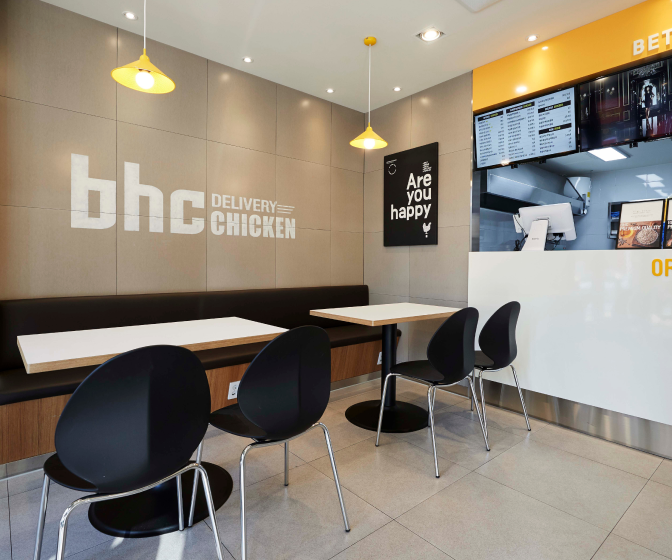
BHC, another Korean chicken operator, has been building a smaller but steadily growing presence after opening its first U.S. restaurant in 2023.
The chain’s menu mixes Korean-style sauces with sandwich formats that American diners immediately recognize, a combination that has helped attract customers unfamiliar with Korean food. New locations in New Jersey and Georgia are scheduled for early next year.
In the burger category, Korean fast-food chain Lotteria entered the U.S. market in August with a store in California.
Instead of competing head-to-head with American classics, the chain has introduced items built around its signature bulgogi and shrimp burgers.
The restaurant logged more than forty thousand orders in its first sixty days and surpassed fifty thousand within ninety days, a response that suggests U.S. customers are willing to try burger variations that differ from the standard American template. Sales reached about one hundred forty percent of expectations.
Coffee and dessert trends are shifting as well, giving room for Korean café brand Twosome Place to plan its first U.S. company-owned store next year. Meanwhile, restaurant group The Born Korea continues to expand several casual Korean concepts in the United States and has grown to forty-three locations.
Its collaboration discussions with H Mart, the country’s largest Asian supermarket chain, point to deeper integration of Korean food products into mainstream retail channels.
Industry analysts say Korean brands are finding traction not because Americans view them as cultural imports, but because they offer flavor profiles and textures that feel new in markets crowded with long-established chains.
As more Americans look for alternatives within familiar categories like chicken and burgers, Korean operators are positioning themselves as another set of choices rather than niche ethnic restaurants, giving them room to expand across the country.