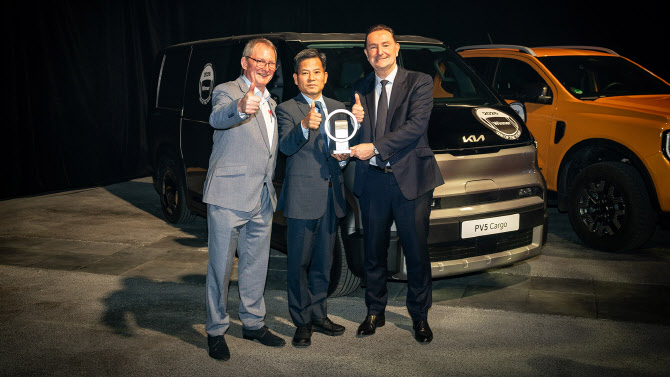
South Korea’s Kia has reached a major milestone in the commercial vehicle industry: its all‑electric van, the PV5, has been named the 2026 International Van of the Year (IVOTY) at the award gala held in Lyon, France. The PV5 was selected unanimously by the 26 members of the IVOTY jury — all leading journalists in the light commercial vehicle (LCV) segment worldwide. This marks the first time a Korean manufacturer — and a Korean model — has ever won the award since its inception in 1992.
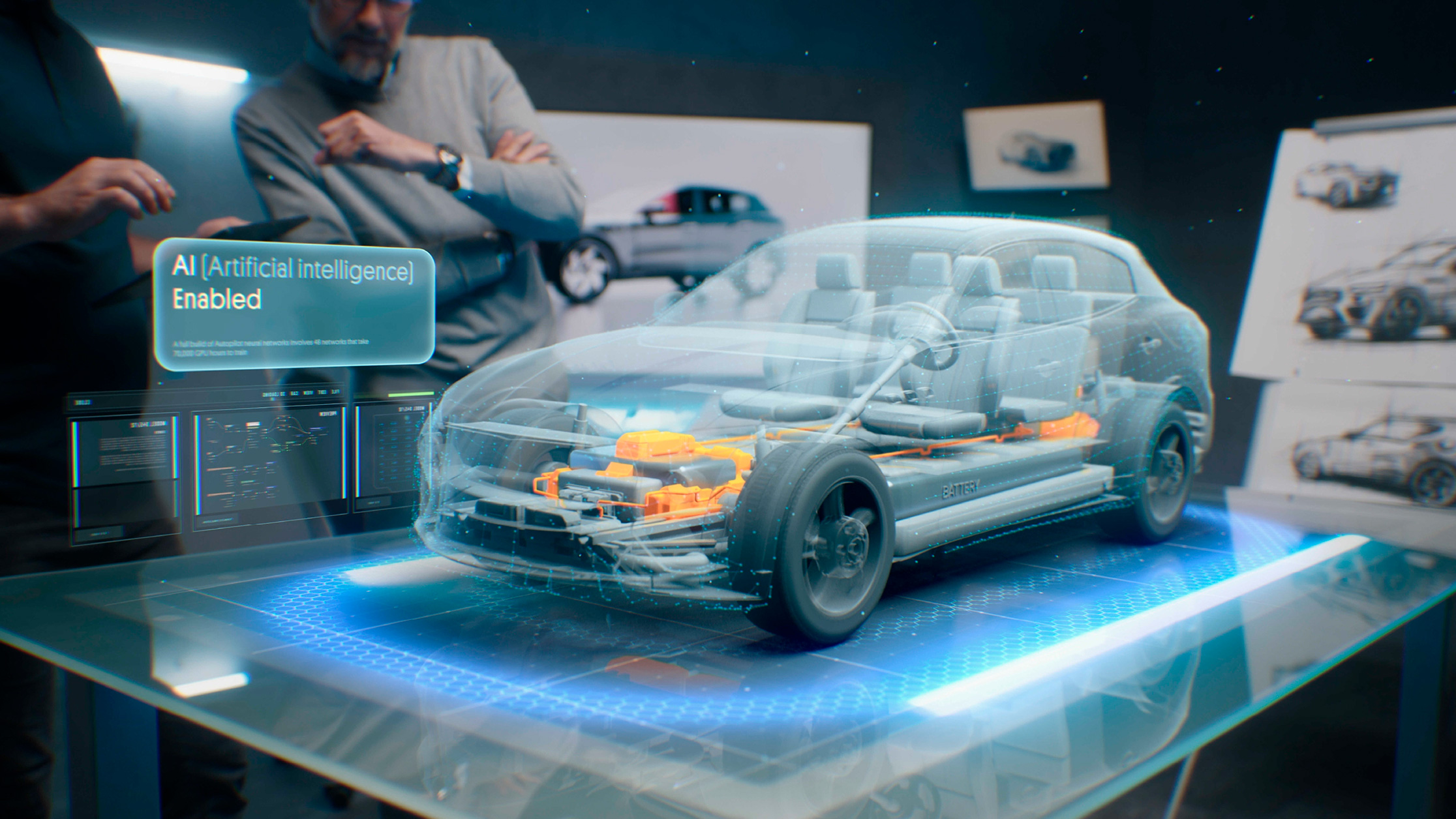
According to Kia and industry analysts, the PV5 earned high marks for technological innovation in the LCV segment, particularly in electric commercial vehicles, as well as operational efficiency and environmental performance, including zero‑emission credentials. The van’s design and usability, tailored to commercial needs with cargo and passenger variants, were also praised. Notable specs include its E‑GMP.S (Electric Global Modular Platform for Service) architecture, a range of up to 258 miles, fast‑charging capability, and a payload capacity of approximately 1,740 pounds in certain configurations.
For Kia, the award underscores its ambitions in the business‑vehicle and fleet-mobility space, extending beyond its strong presence in passenger electric vehicles (EVs). The PV5 is Kia’s first dedicated electric light commercial vehicle, and its success could pave the way for broader adoption in Europe and beyond. Winning the IVOTY provides Kia with a marketing boost and credibility among fleet customers, logistics and delivery companies, and other commercial‑vehicle buyers increasingly transitioning to zero‑emission operations.
The electric van market is expanding as companies seek sustainable fleet solutions, especially in urban logistics. Kia’s recognition signals that the brand is competitive in this domain, not only in consumer EVs. Analysts suggest the award is likely to accelerate Kia’s push into the global commercial-vehicle sector.
Kia has announced plans for additional PV5 variants, including chassis cab and high-roof versions, and is developing larger PBV (purpose‑built vehicle) models, such as the PV7 and PV9.