In the U.S. beauty market, speed has become as decisive as brand recognition. Retailers expect replenishment cycles meaasured in days, online shoppers track delivery in real time, and warehouse automation is no longer optional. Into that environment, a South Korean logistics company is quietly expanding its physical presence.
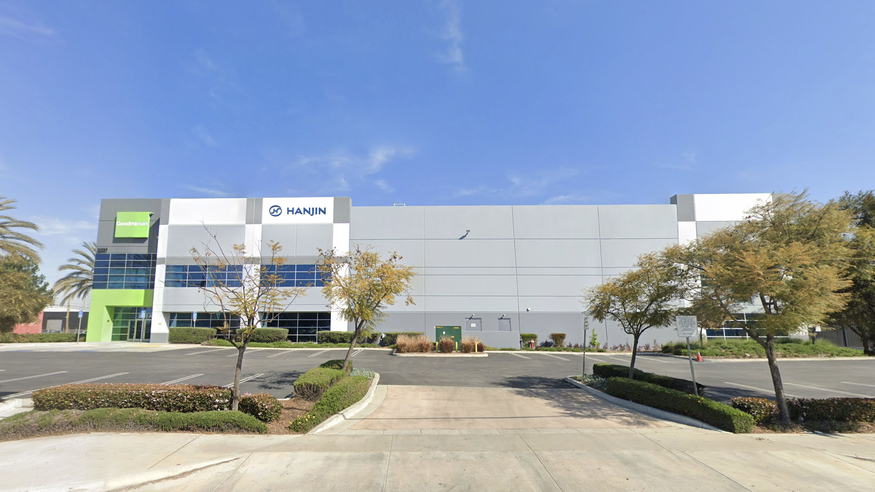
Hanjin, one of South Korea’s largest logistics companies, has completed a third expansion of its fulfillment operations in the Los Angeles area, doubling the size of its second facility and bringing its total footprint in the region to more than 4.9 acres.
The move positions Southern California as the company’s central North American hub at a time when Korean beauty brands are shifting from cross-border shipping to localized distribution.
For years, Korean cosmetics reached American consumers largely through specialty importers and online marketplaces, often shipped directly from Asia. That model allowed brands to test demand but limited their ability to compete on delivery speed and retail partnerships. As sales volumes have grown, the limitations of distance have become more apparent.
According to South Korea’s Ministry of Food and Drug Safety, cosmetics exports to the U.S. reached approximately $2.2 billion in 2025, up 15.1% from a year earlier and the highest level on record. The sustained growth suggests that Korean beauty products are no longer a niche import but a recurring category within the broader U.S. market.
Hanjin’s expansion reflects how Korean companies are responding. By securing warehouse space in Los Angeles, near major ports and dense consumer markets, the company enables Korean brands to hold inventory domestically, reduce transit times and integrate more directly with U.S. retailers. The facilities handle both business-to-business shipments and direct-to-consumer fulfillment, while also linking forwarding services with local distribution channels.
Automation is part of the strategy. The Los Angeles centers deploy robotic picking systems and in-house packing kiosks designed to reduce errors and accelerate order processing. The upgrades aim to meet the same operational standards expected of domestic logistics providers, narrowing the gap between imported brands and established U.S. competitors.
The expansion underscores a broader shift in how Korean companies view the American market. Rather than treating the U.S. as a distant export destination, they are investing in permanent infrastructure on the ground. In doing so, firms like Hanjin are transforming from transport intermediaries into strategic partners for Korean brands seeking durable market share.
What began as cultural visibility has evolved into industrial commitment. As Korean beauty cements its place in American retail channels, the warehouses rising in Los Angeles signal that the industry’s ambitions extend well beyond trend cycles.