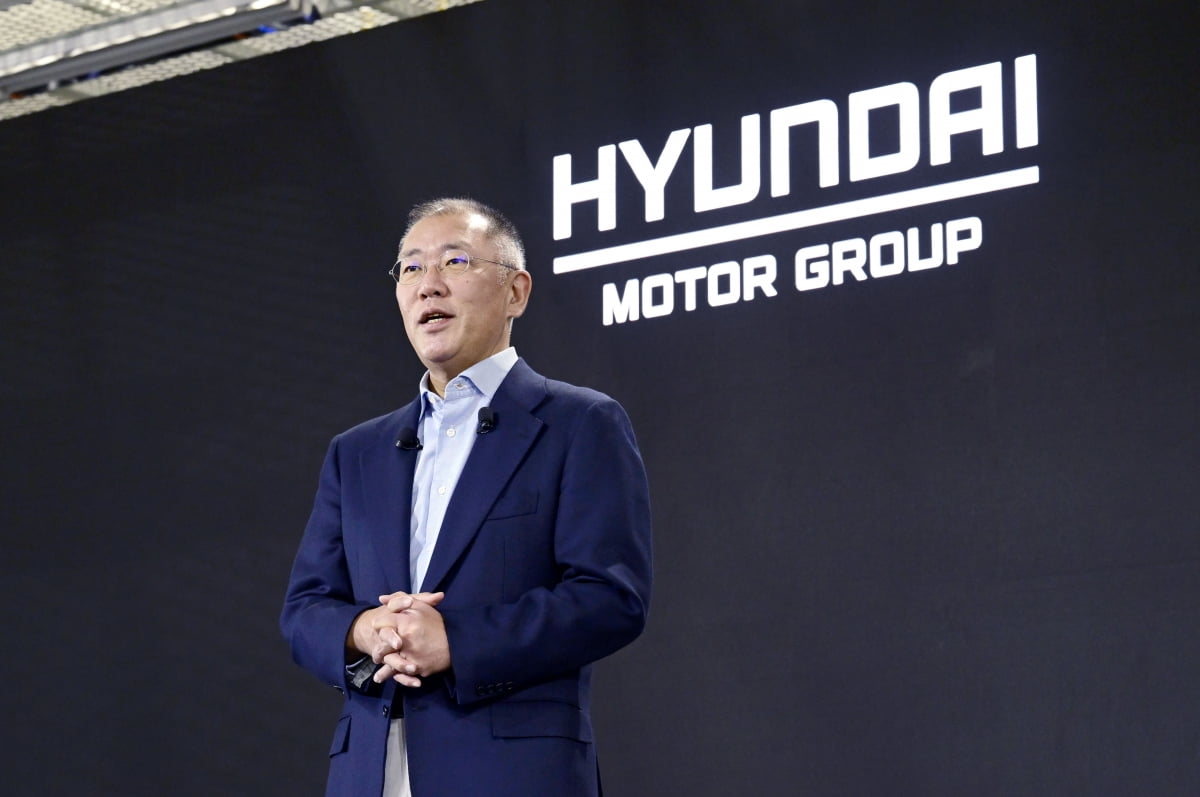
Hyundai Motor Group said on March 17 it will expand its strategic collaboration with Nvidia to accelerate the development of autonomous driving technologies and software-defined vehicles, deepening ties aimed at building next-generation mobility platforms.
The group—parent of Hyundai Motor Company and Kia Corporation—plans to combine its in-house software-defined vehicle (SDV) capabilities with Nvidia’s expertise in autonomous computing to jointly develop advanced self-driving solutions.
Under the expanded partnership, the automakers will begin integrating Nvidia’s Level 2 and higher autonomous-driving technologies into selected vehicle models. The collaboration is designed to support Hyundai’s push to develop SDV platforms based on the company’s quality and safety principles while gradually introducing more advanced driver-assistance capabilities.
Over the longer term, the companies aim to extend their cooperation to Level 4 robotaxi services. Hyundai Motor Group said it will deepen discussions with Motional, its U.S.-based autonomous-driving joint venture, to accelerate technology development and strengthen competitiveness in both robotaxi platforms and mobility services.
The expansion of the Nvidia partnership reflects a broader strategy by Hyundai Motor Group to accelerate the internal development of autonomous-driving technologies.
As part of the effort, the company will adopt NVIDIA DRIVE Hyperion, Nvidia’s integrated autonomous-vehicle architecture designed to support systems ranging from Level 2 driver assistance to Level 4 autonomy.
Hyperion combines key autonomous-driving hardware components—including high-performance CPUs, GPUs, sensors and cameras—into a standardized platform architecture. Hyundai Motor Group said integrating this reference design with its own vehicle engineering experience could enable the company to develop an optimized SDV architecture tailored to its vehicles.
The collaboration is also expected to strengthen Hyundai Motor Group’s internal artificial-intelligence capabilities.
With the introduction of Hyperion, the company plans to establish a data feedback cycle that includes data collection—such as video, language and behavioral data—AI model training and performance improvement, real-world vehicle deployment, and continuous data-quality enhancement.
Hyundai Motor Group said it will leverage Nvidia’s extensive AI technologies and data infrastructure to integrate data generated across the group into a unified learning pipeline.
Over the long term, the company expects high-performance AI systems to autonomously collect and structure real-world road data, enabling autonomous-driving systems to continuously improve through large-scale data learning.
The automaker said its ultimate goal is to internalize world-class autonomous-driving technologies and deliver them to customers while strengthening its global competitiveness through both partnerships with technology companies and in-house development.
“Expanding our partnership with Nvidia will be an important momentum for realizing safe and reliable autonomous-driving technologies,” said Kim Heung-soo, executive vice president and head of global strategy at Hyundai Motor Group. “Through close collaboration across the group, we aim to secure differentiated technological competitiveness ranging from Level 2 autonomous driving to Level 4 robotaxi services.”
Rishi Dhall, vice president of automotive at Nvidia, said the partnership combines Hyundai’s vehicle engineering expertise with Nvidia’s computing and AI capabilities to build intelligent and safe autonomous systems.
“The collaboration will continue across technologies—from advanced driver-assistance systems at Level 2 and above to future robotaxi platforms,” he said.