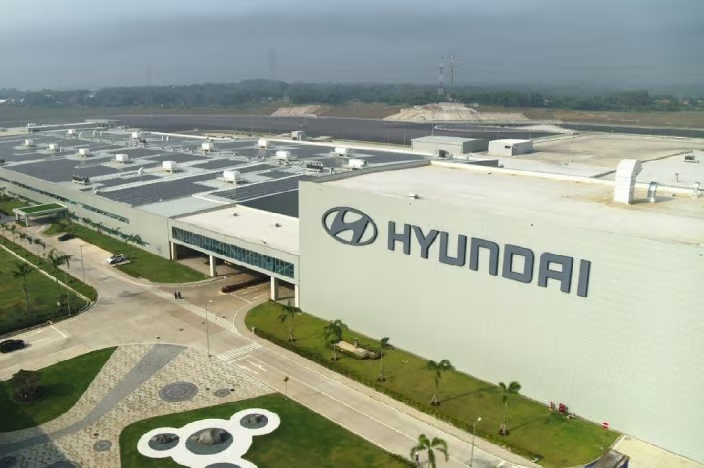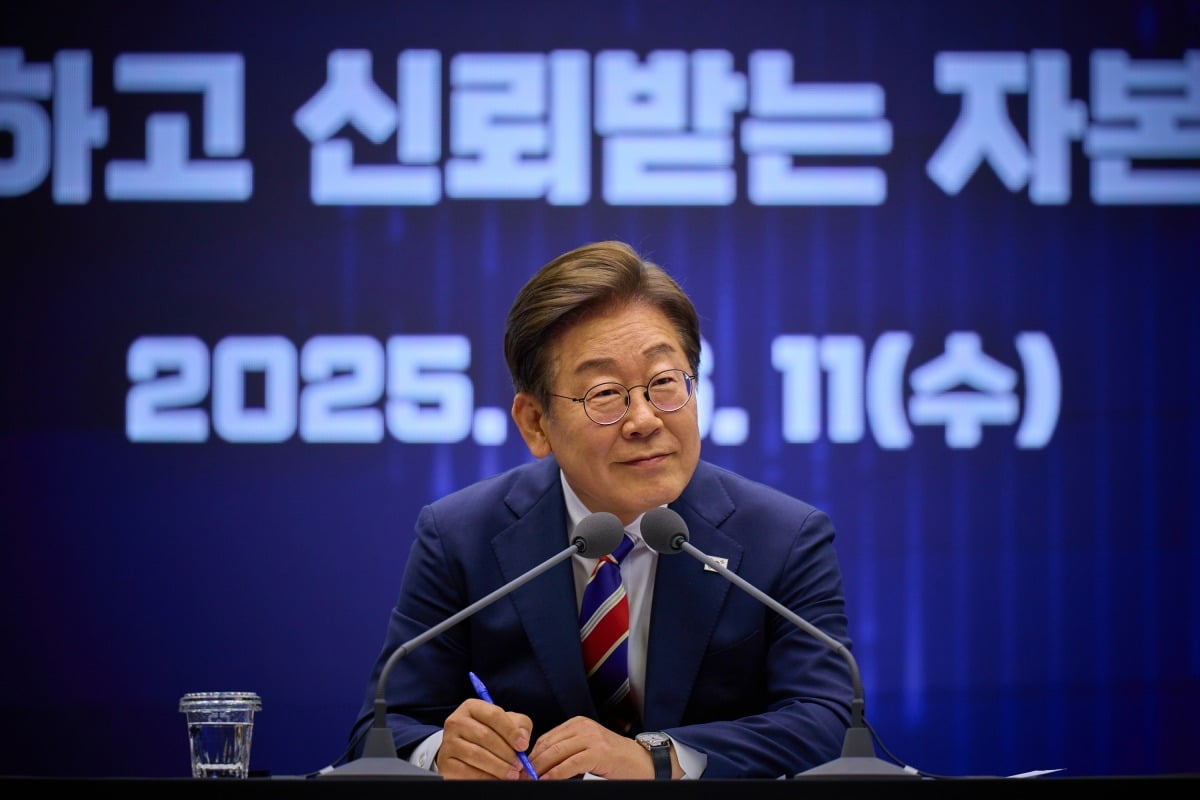
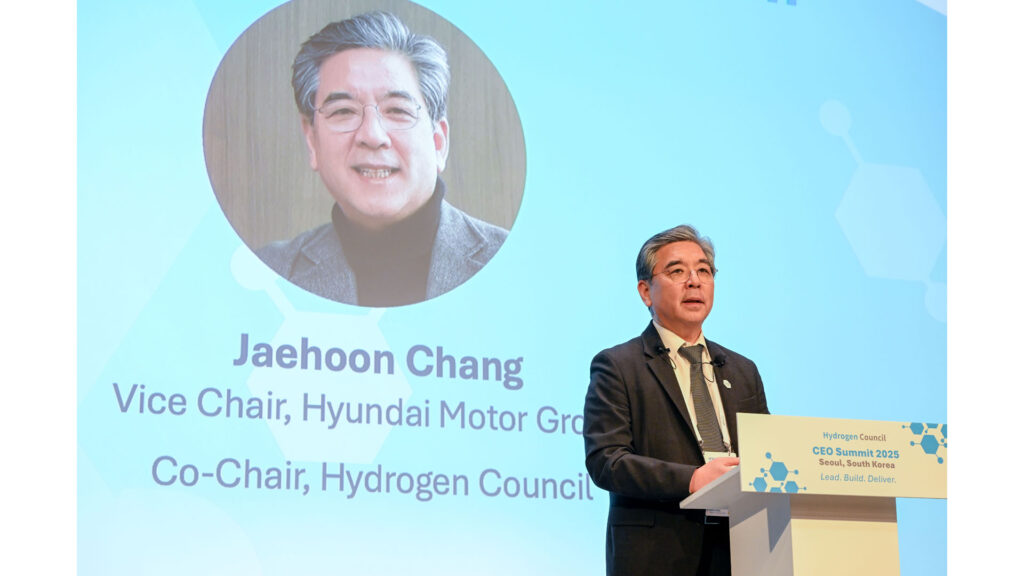
Hyundai Motor Group’s Vice Chairman Jaehoon Chang said the company must deepen its in-house expertise in autonomous-driving technology, even as the auto industry struggles to deploy fully self-driving systems on a broad scale.
Speaking to reporters near Seoul on Thursday, Mr. Chang acknowledged that Hyundai’s U.S.-based autonomous joint venture, Motional, lags behind Alphabet Inc.’s Waymo in performance. Still, he said developing and controlling the underlying technology internally is essential for Hyundai’s future competitiveness.
“We’re still some distance away from generalized full self-driving and full commercialization,” Mr. Chang said. “But securing and internalizing the technology is the direction we must keep moving in.”
His comments follow the recent resignation of the executive leading Hyundai’s software-focused vehicle platform division, raising questions about the pace of the automaker’s shift toward software-defined cars. Asked about Tesla Inc.’s driver-assistance system entering the Korean market, Mr. Chang said Hyundai needs more time to evaluate the technology.
Mr. Chang also outlined a strategic pivot beyond vehicle manufacturing, emphasizing expansions into energy systems, hydrogen solutions and artificial intelligence. He pointed to Chinese electric-vehicle maker Xpeng Inc., which has branched into semiconductors and aerial mobility, as an example of how competitors are diversifying.
“What matters most is achieving a clear competitive gap as a true top-tier player,” he said, adding that 2025 will be focused on executing this strategy.
Hyundai is also pursuing hydrogen-technology partnerships with both General Motors Co. and Toyota Motor Corp., covering areas such as fuel-cell systems, storage standards and regulatory alignment, Mr. Chang said. The automaker plans to expand its hydrogen fuel-cell vehicle lineup beyond the Nexo SUV to multiple vehicle classes.