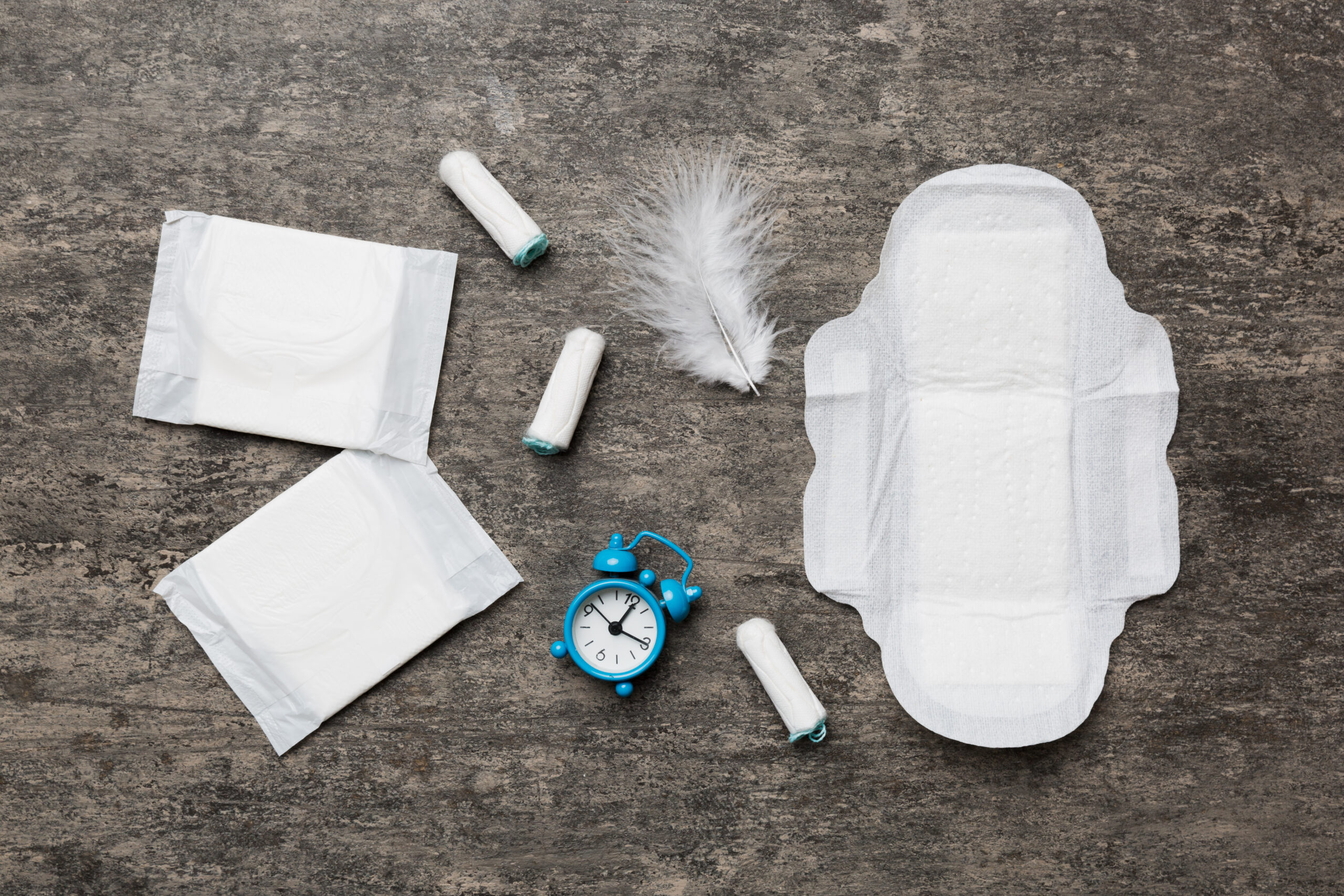
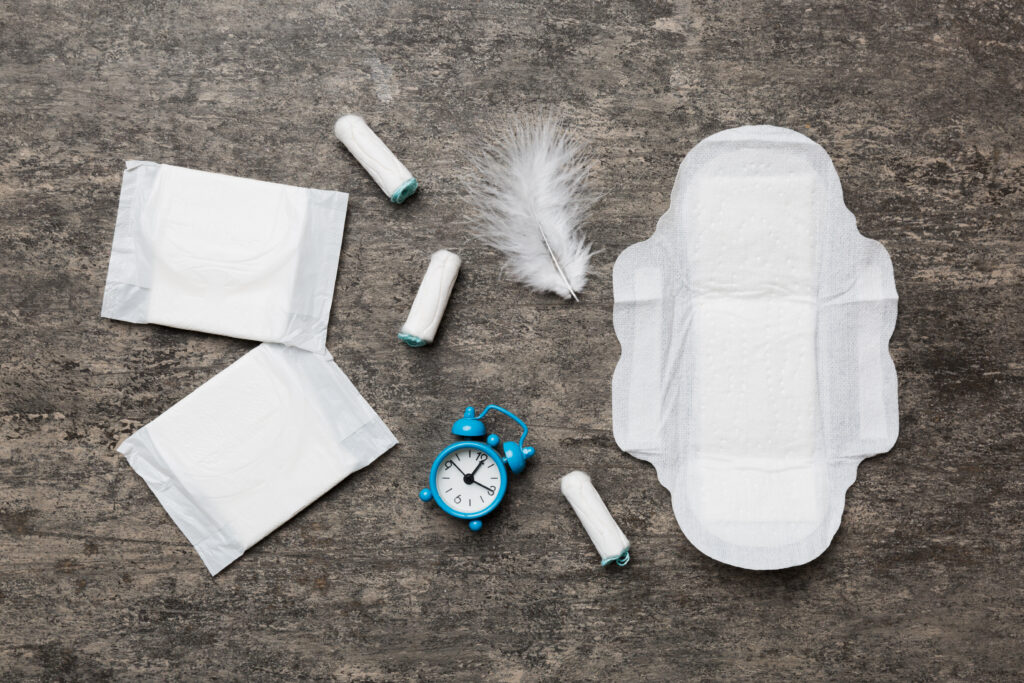
Sales of low-cost sanitary pads are surging in South Korea, as retailers slash prices and policymakers increasingly frame access to menstrual products as a matter of basic rights rather than discretionary spending.
The shift comes after Lee Jae-myung publicly criticized the higher cost of sanitary products in the domestic market compared with overseas earlier this year. His remarks intensified scrutiny over pricing and accelerated competition among retailers and manufacturers to expand lower-cost offerings.
E-commerce giant Coupang said its private-label sanitary pads sold out within two days after prices were cut by as much as 29%, wiping out roughly 50 days’ worth of inventory. The company noted that demand for discounted products remains robust, particularly among price-sensitive consumers.
Offline retailers are reporting similar trends. Emart said it sold about 330,000 units during a weeklong promotion in February, surpassing its initial target of 250,000 units. Sales during the campaign jumped 136.6% from a year earlier, while first-quarter sales exceeded 2 million units.
Homeplus has pushed pricing even lower, introducing products at around $0.07 per pad and subsequently cutting prices further. The retailer said it has sold more than 50,000 packs of one budget line and roughly 38,000 packs of another since launch.
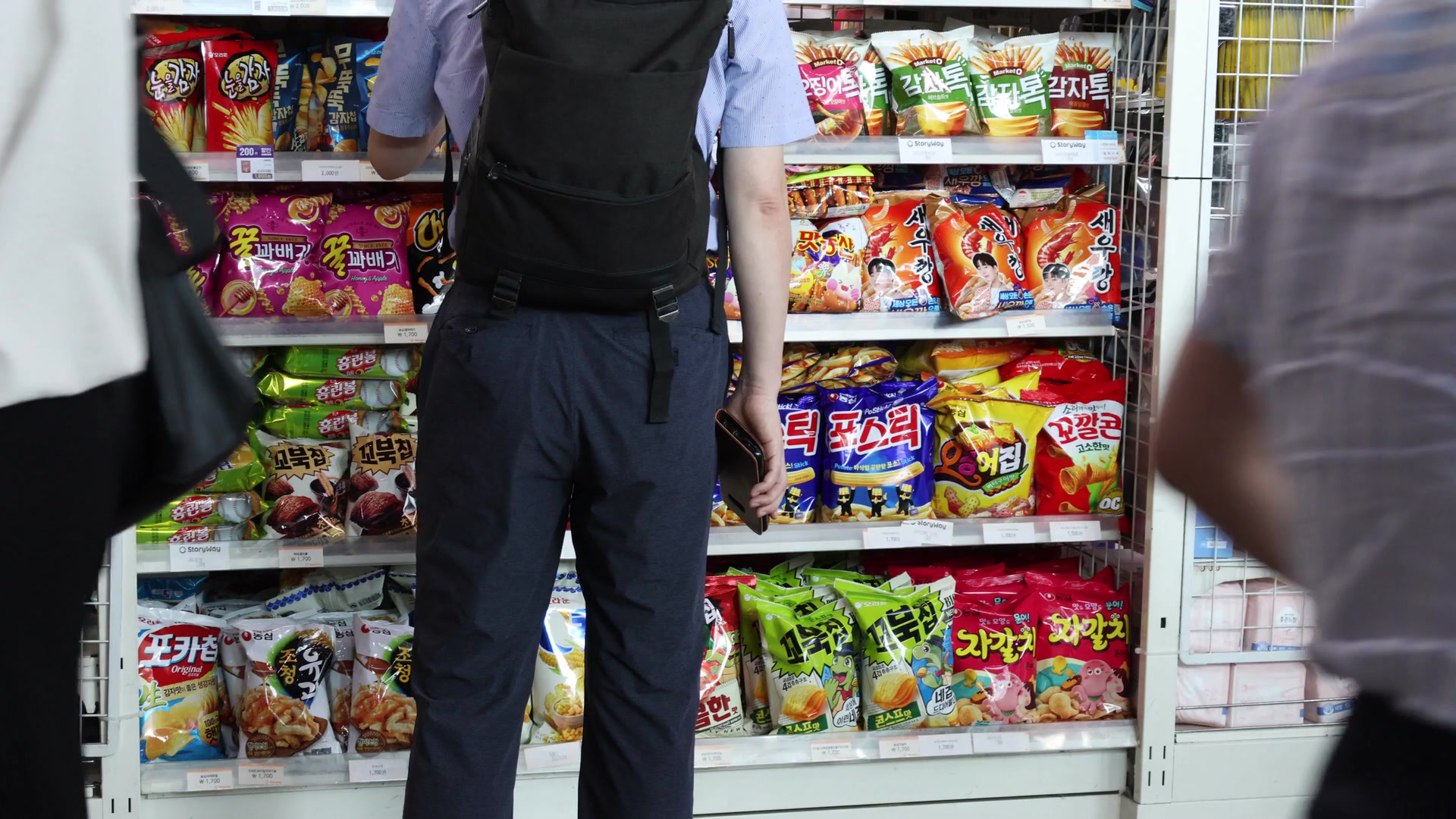
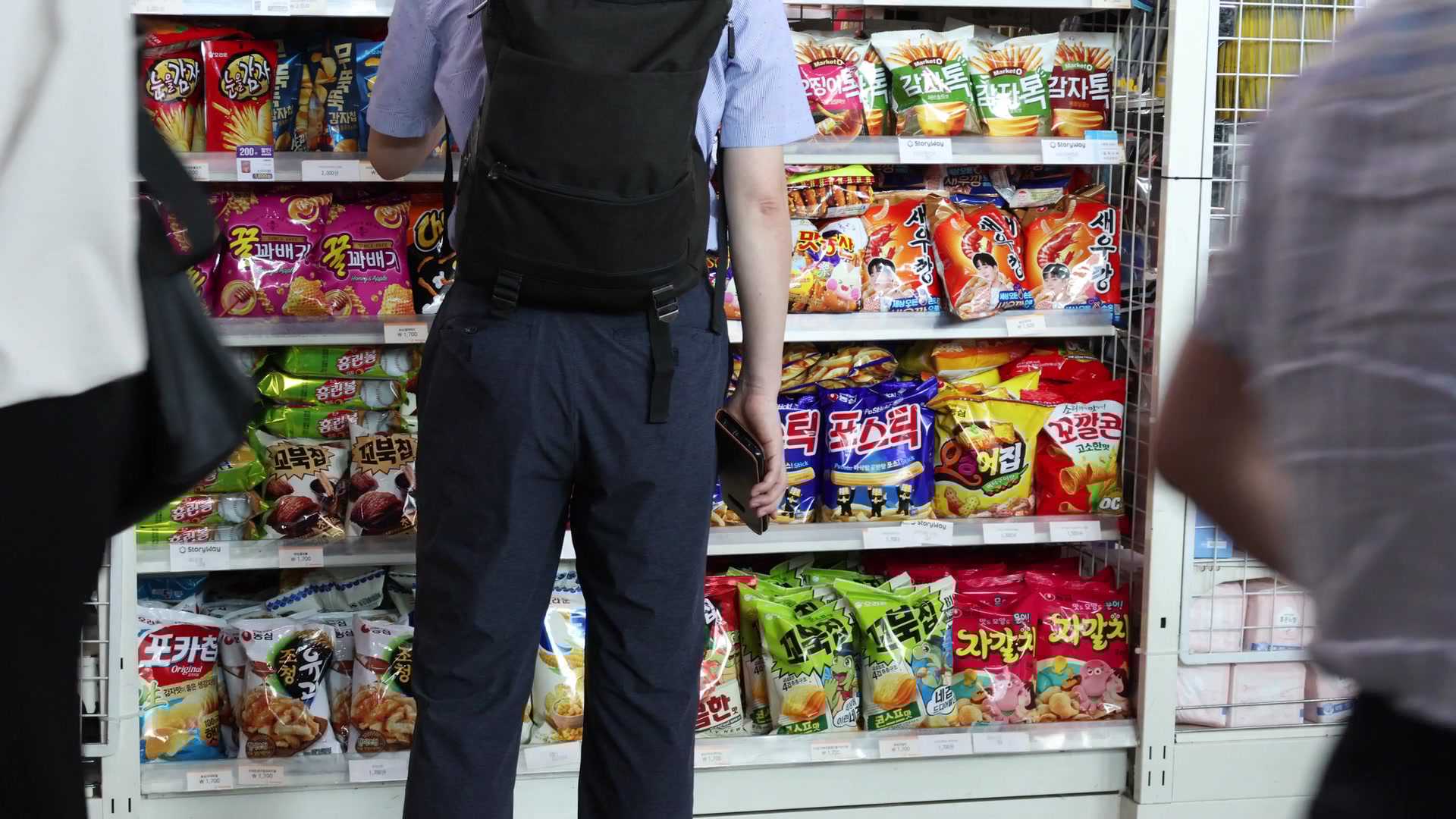
Convenience stores are also benefiting from the trend. 7-Eleven reported a 23% increase in sales of newly launched discounted sanitary pads in late March compared with their debut week, with some products priced below $1 per pack. Rival chains GS25 and CU posted sales gains of 7.3% and 20.2%, respectively, following similar discount campaigns.
Behind the surge lies a broader policy and social push. South Korean officials and civic groups have increasingly emphasized that access to sanitary products should be treated as a basic necessity, encouraging companies to maintain affordable pricing and expand supply. The approach stops short of direct price controls but relies on public pressure and market competition to drive costs lower.
Retailers are now moving to sustain momentum. Emart recently launched a new product priced at about $0.75 per unit ahead of the summer season, while Homeplus said it will continue offering multiple ultra-low-cost lines and focus on securing stable supply.
Convenience stores are preparing additional promotions, including buy-one-get-one deals and bundled discounts. Budget retailer Daiso plans to introduce a 10-count pack priced at around $0.75 next month.
Analysts say the trend reflects both heightened price sensitivity and growing public awareness. “As sanitary pad pricing becomes a widely discussed issue, consumer awareness has risen significantly,” a consumer studies professor at Inha University said. “The key question now is whether affordability can be sustained over the long term.”