South Korea has emerged as one of the world’s most stable luxury-goods markets, giving global brands confidence to raise prices year after year even as demand softens elsewhere.
Major luxury houses including Chanel, Hermès, Rolex and Van Cleef & Arpels have implemented price increases in South Korea early this year, continuing a pattern that has become increasingly routine. Industry officials say additional brands are preparing further adjustments later in the year, reinforcing the country’s status as a market where higher prices meet limited resistance.
The strategy contrasts sharply with conditions in China, long the luxury industry’s primary growth engine, where slowing economic momentum has dampened consumer spending. In South Korea, however, demand for high-end goods has remained resilient despite broader economic uncertainty, allowing brands to treat the market as a reliable source of revenue growth.
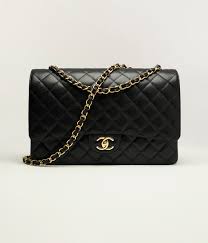
Chanel offers a clear illustration. The French luxury house has raised prices in South Korea multiple times a year, pushing flagship handbags above the $15,000 mark. Over the past five years, prices for core products have roughly doubled in the Korean market, a pace that outstrips increases in Europe and the United States.
Luxury companies typically attribute higher prices to rising raw material costs, currency fluctuations and efforts to harmonize global pricing. But retail analysts say South Korea’s strong appetite for luxury goods has become a central factor in pricing decisions.
“Brands raise prices where consumers continue to buy,” said a Seoul-based retail analyst. “Korea has proven to be one of the least price-sensitive luxury markets globally.”
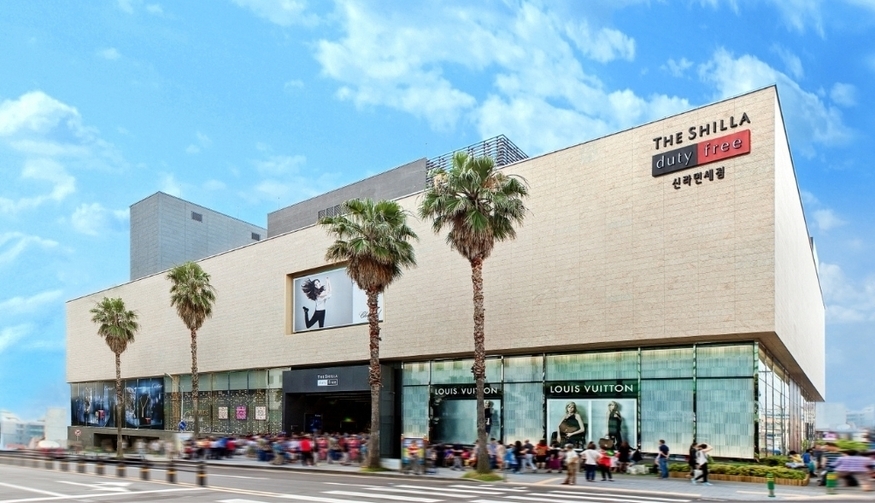
The strength of demand is evident in department-store performance. Luxury sales at major South Korean department stores have consistently outperformed overall retail growth, providing a buffer against slower spending in other categories. For many global brands, Korean operations have delivered steady gains even as global revenue growth has weakened.
Executives and analysts also point to a shift in consumer behavior. Luxury goods in South Korea are increasingly viewed not only as status symbols but as assets that retain—or even increase—value over time. The expectation of regular price increases has encouraged early purchases, reinforcing demand rather than suppressing it.
This dynamic has created a self-reinforcing cycle. Annual price hikes strengthen perceptions of exclusivity and value, while sustained demand reassures brands that the market can absorb further increases.
For now, South Korea stands out as an exception in a global luxury industry grappling with uneven growth. As long as consumer demand remains firm, global brands are likely to continue using the Korean market as a testing ground for how far prices can be pushed—one annual increase at a time.