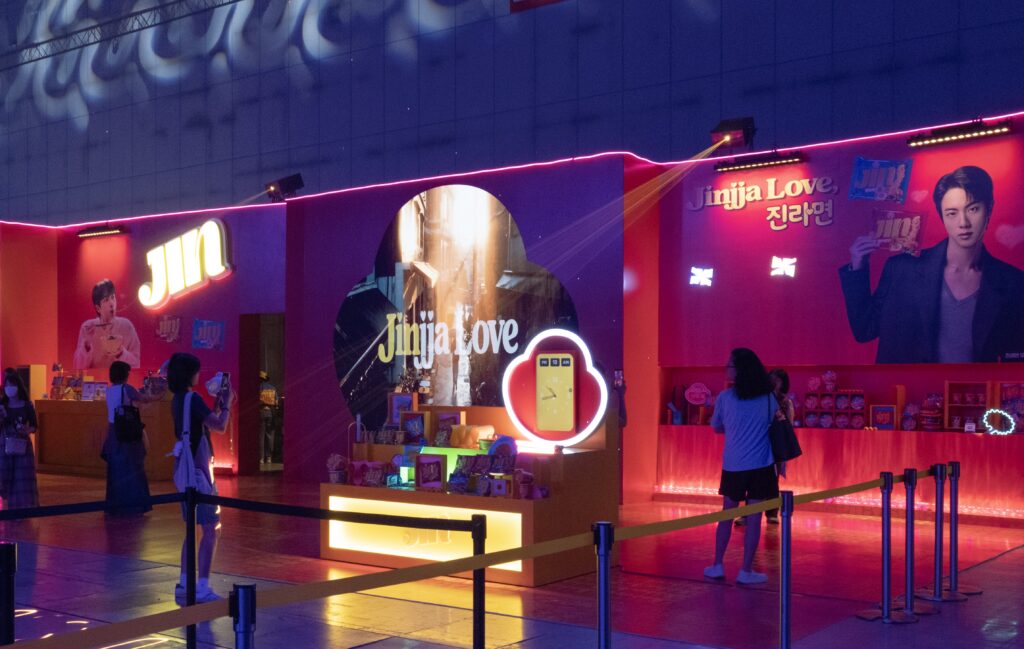
Ramen in the United States has long been viewed as a quick, cheap, and functional meal. But as Korean pop culture continues to reshape global entertainment, instant noodles are absorbing new meaning—transforming from pantry staples into cultural symbols.
That shift was crystallized recently when Otoki’s Jin Ramen was named a “K-Recommended Ramen” by trend-analysis platform TrendHunter. The recognition highlighted not culinary advancement but cultural strategy, underscoring how Korean food brands are increasingly assessed through the lens of global pop influence.
Central to that reevaluation has been the brand’s collaboration with BTS’s Jin—a partnership that converted a commonplace grocery item into a vehicle of cultural identity. By aligning the product with a star already woven into the fabric of international pop, Jin Ramen shed its image as mere convenience food and entered the broader narrative of Korean lifestyle export.
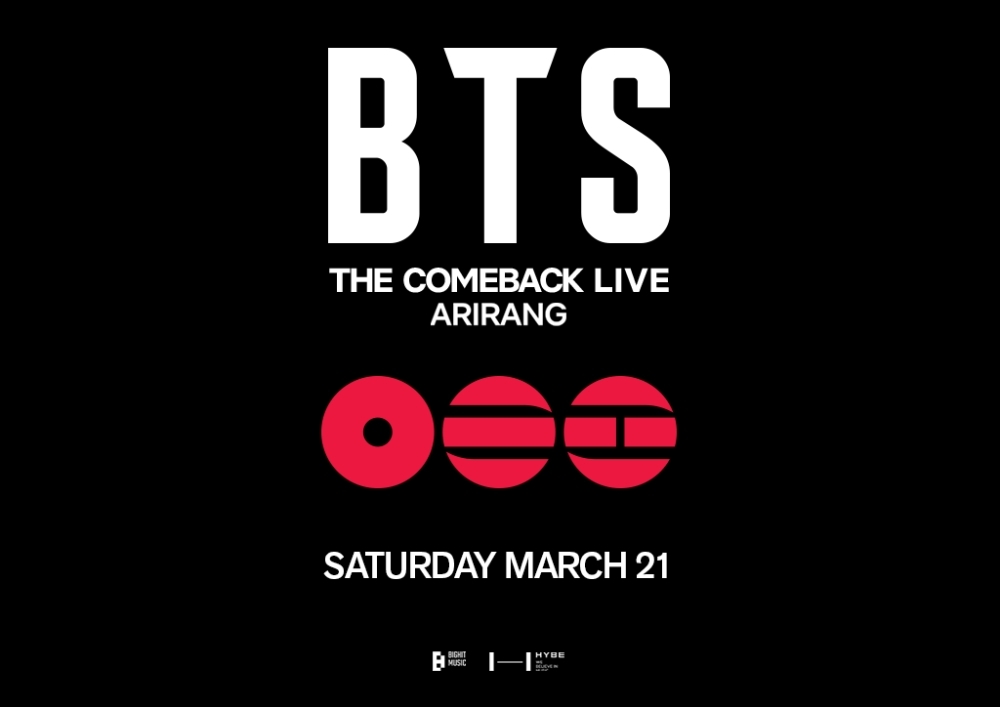
The timing of this cultural resonance may soon intensify. BTS is scheduled to make a full-group comeback on March 20, an event that will focus global attention on the group and, by extension, the brands associated with its members. For Jin Ramen, the comeback could renew visibility and reinforce its connection to a figure whose influence extends far beyond music.
TrendHunter observed that the brand’s advertising avoided exoticizing ramen. Instead, campaigns centered on everyday rituals—cooking, eating, sharing—a restrained approach that mirrors how Korean culture has spread: not as fleeting spectacle, but through repeated, normalized presence across media.
The interplay between Korean entertainment and food grows more overt. In Netflix’s K-Pop Demon Hunters, ramen appears casually in the background, not explained but simply present, acting as visual shorthand for Korean identity much like fashion or slang might.
Such subtle placements accumulate. As Korean series and animations circulate worldwide, they quietly build consumer familiarity. Foods that appear routinely in popular content begin to feel familiar long before they are ever tasted.
For the instant noodle sector, this marks a strategic pivot. Where competition once hinged on flavor and price, differentiation now increasingly relies on narrative, symbolism, and affiliation with cultural movements beyond the food aisle.
Younger consumers, already immersed in K-pop and K-drama as part of their daily media diet, are particularly receptive to this blended experience. Food becomes not a separate category, but another channel through which culture is consumed.
Otoki has set a global revenue target of $760 million by 2030, an ambition that depends less on export volume alone and more on sustained brand relevance overseas. The company has emphasized storytelling and content synergy as keys to international growth.
In South Korea, Jin Ramen has earned official awards for brand management and product development—a domestic endorsement that now fuels its international circulation. As the brand surfaces alongside Korean music, animation, and streaming content worldwide, it reflects a deeper shift: everyday food is no longer presented as a cultural curiosity, but flows naturally within the same global media stream that carries K-pop to the world.
With BTS’s comeback weeks away, that stream is about to widen—and brands like Jin Ramen are already riding the wave.